
01
Photoinitiators
Ingredients for light-curing formulations. Review the source, resin system, loading and cure conditions.
UV470View ingredients
SMALL-MOLECULE MATERIALS / FORMULATION INGREDIENTS
Photoinitiators, reactive monomers and epoxy materials for electronic formulations, alongside organic synthesis intermediates, custom synthesis and tailored formulation additives.
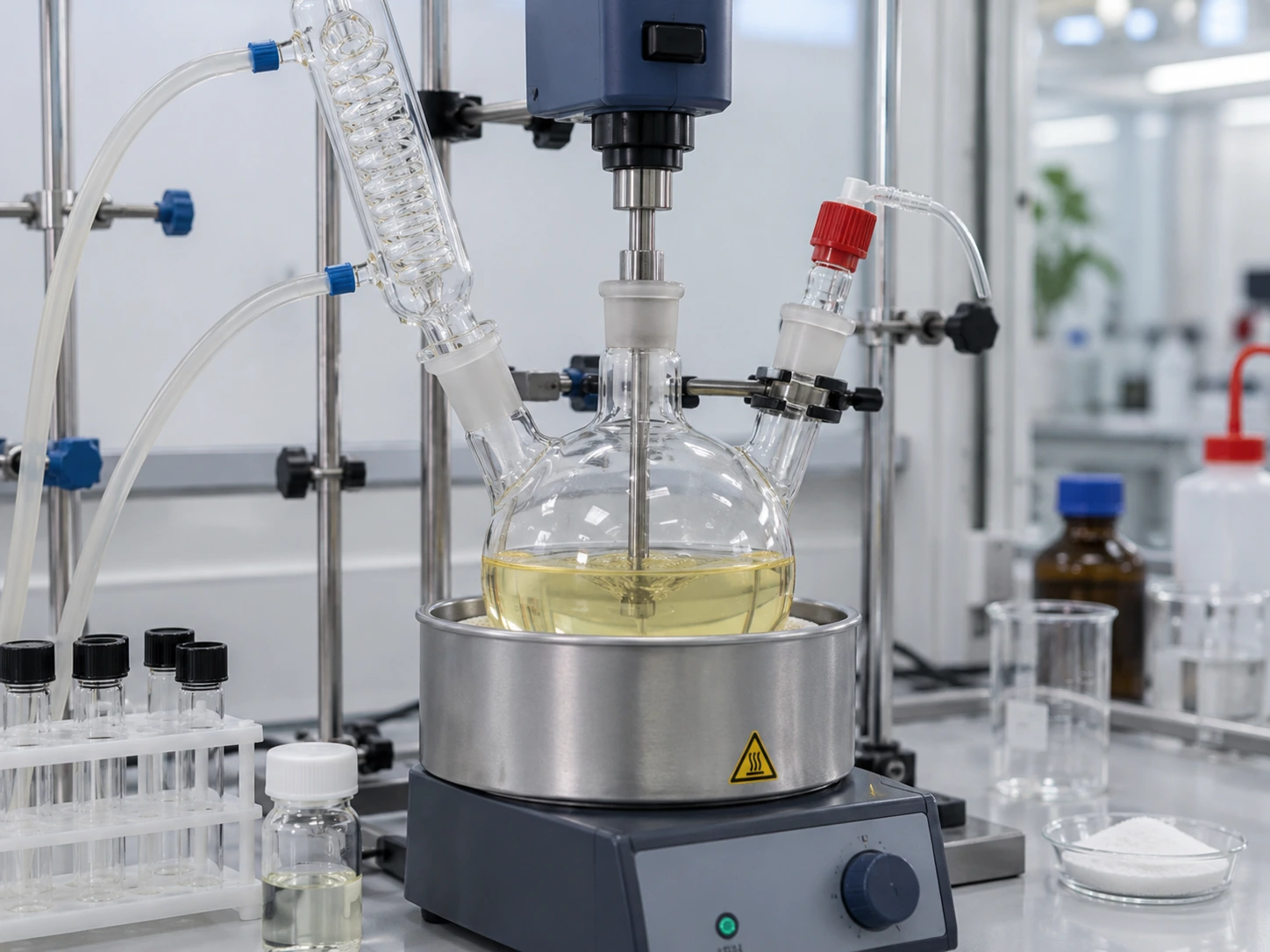
INGREDIENT FAMILIES
Photoinitiators, reactive ingredients and synthesis intermediates.
Ingredients for light-curing formulations. Review the source, resin system, loading and cure conditions.
Reactive diluents and epoxy materials. Review structure, functionality, purity and formulation role.
Reactive small-molecule formulation ingredients. Confirm substance identity, purity, reactivity and storage conditions.
Ingredients for organic synthesis. Distinguish these from adhesive additives and confirm intended use, identity, purity and supply form.
PRODUCT IDENTITY
Identify the ingredient’s role, then match formulation conditions using the exact-grade TDS and SDS.
| Grade | Chemical name | CAS |
|---|---|---|
| UV470 | Photoinitiator for visible-light-curing formulations | Confirm in grade-specific SDS |
| YW-601 ↓ | Phenyl glycidyl ether | 122-60-1 |
| YW-602 ↓ | Resorcinol diglycidyl ether | 101-90-6 |
| YW-603 ↓ | 2,6-Diglycidylphenyl glycidyl ether | 13561-08-5 |
| YW-612 ↓ | Diglycidylphenyl allyl ether | Confirm in grade-specific SDS |
| YW-614 ↓ | Tetrafunctional bisphenol A epoxy resin | Confirm in grade-specific SDS |
| YW-622 ↓ | Phenylene bis(oxirane) | 30424-08-9 |
| YW-801 ↓ | 2-Hydroxy-3-phenoxypropyl methacrylate | Confirm in grade-specific SDS |
| YW-802 ↓ | Hydroquinone bis(2-hydroxy-3-acryloyloxypropyl) ether | Confirm in grade-specific SDS |
| YW-811 ↓ | Glycerol formal acrylate | Confirm in grade-specific SDS |
Monofunctional epoxy reactive diluent
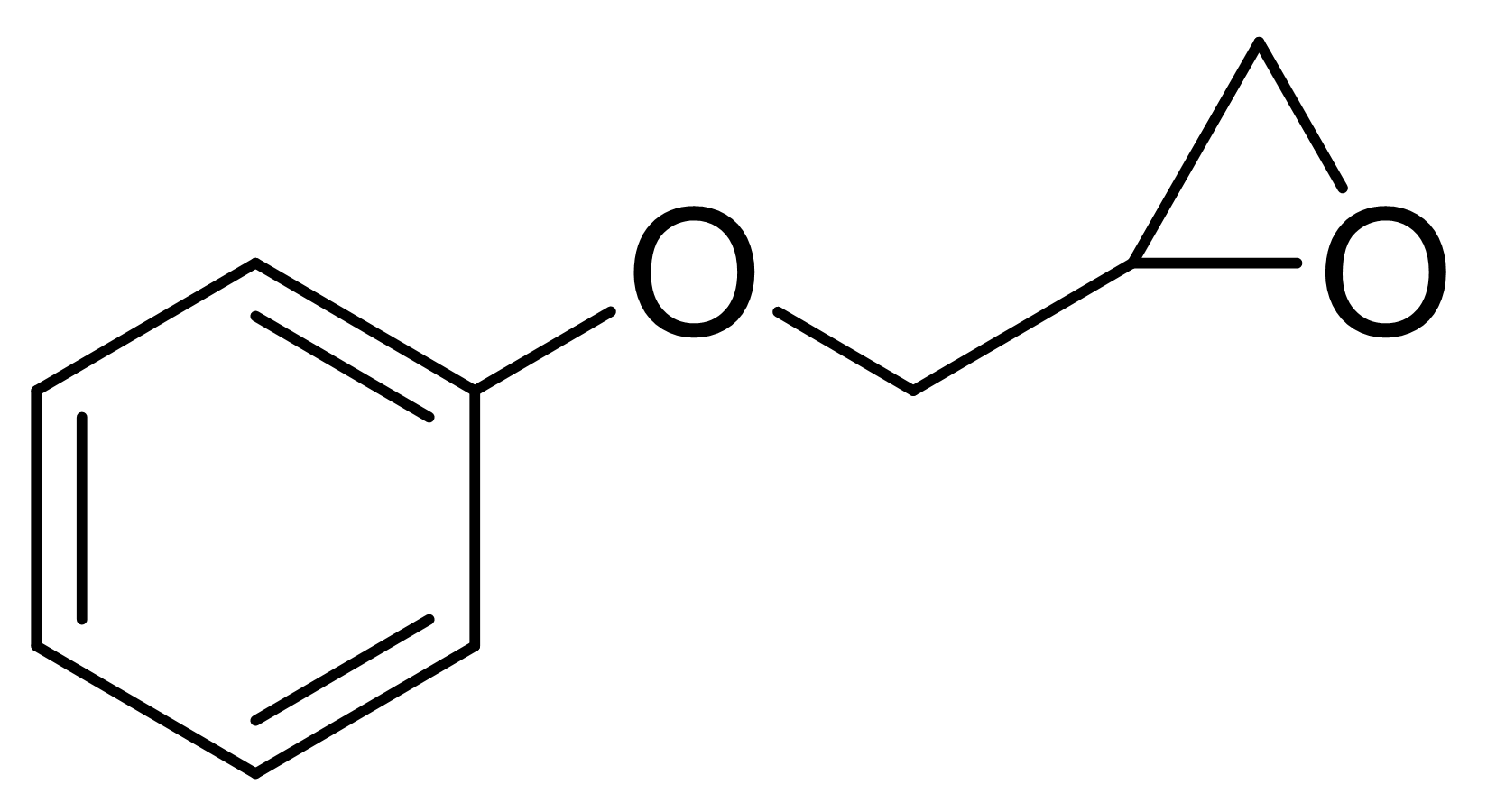
Compare formulation viscosity, substrate wetting and the cured joint.
Request this grade’s TDS / SDSDifunctional epoxy reactive ingredient
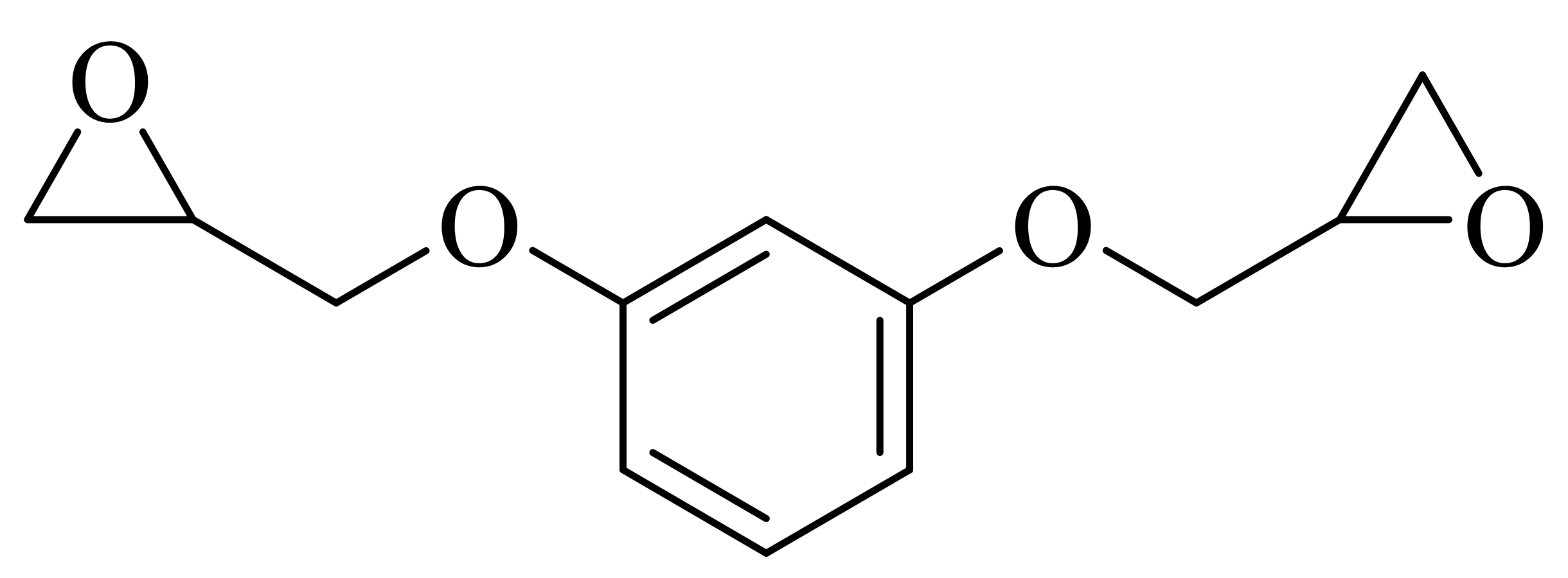
Review epoxy equivalent weight, curing-agent balance, loading and cure.
Request this grade’s TDS / SDSTrifunctional epoxy reactive ingredient
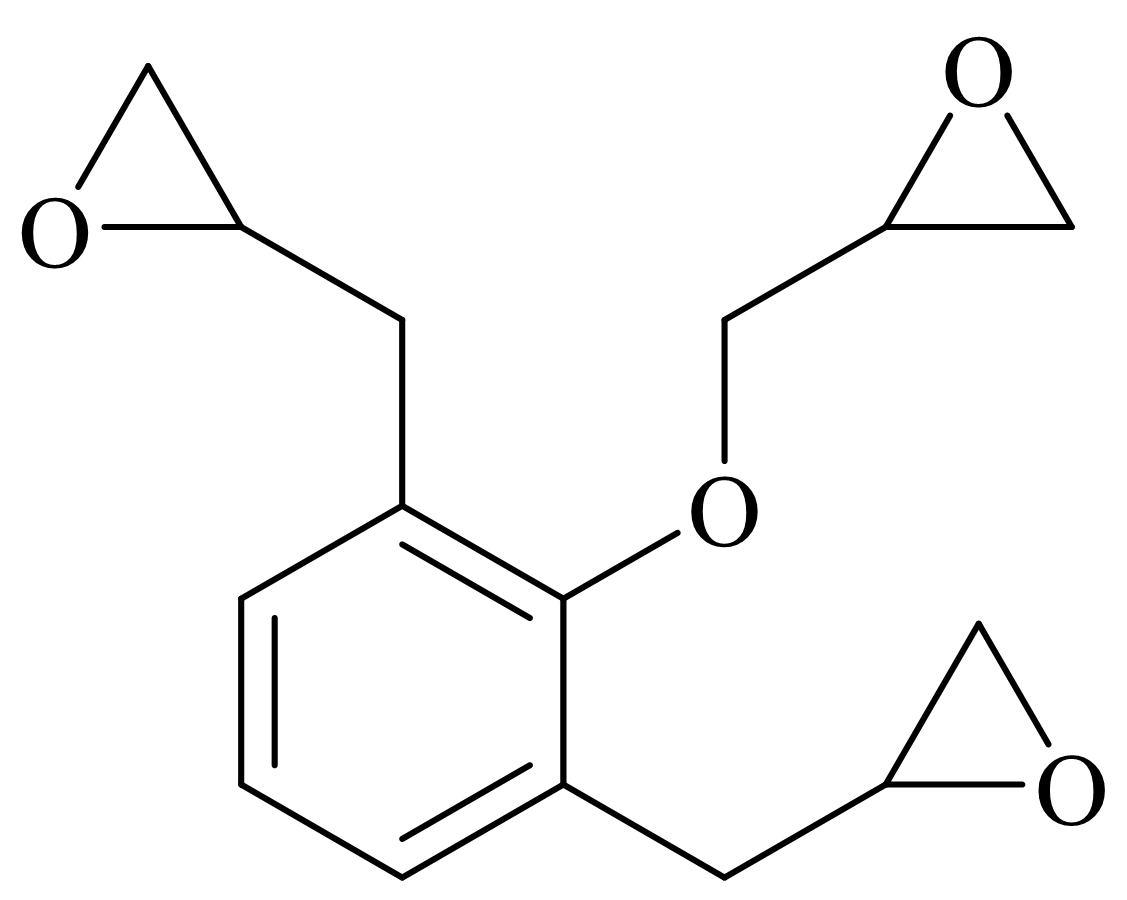
For encapsulation, laminating and adhesive formulations, review viscosity, cure and interfaces after thermal/humidity exposure.
Request this grade’s TDS / SDSEpoxy reactive ingredient with an allyl group
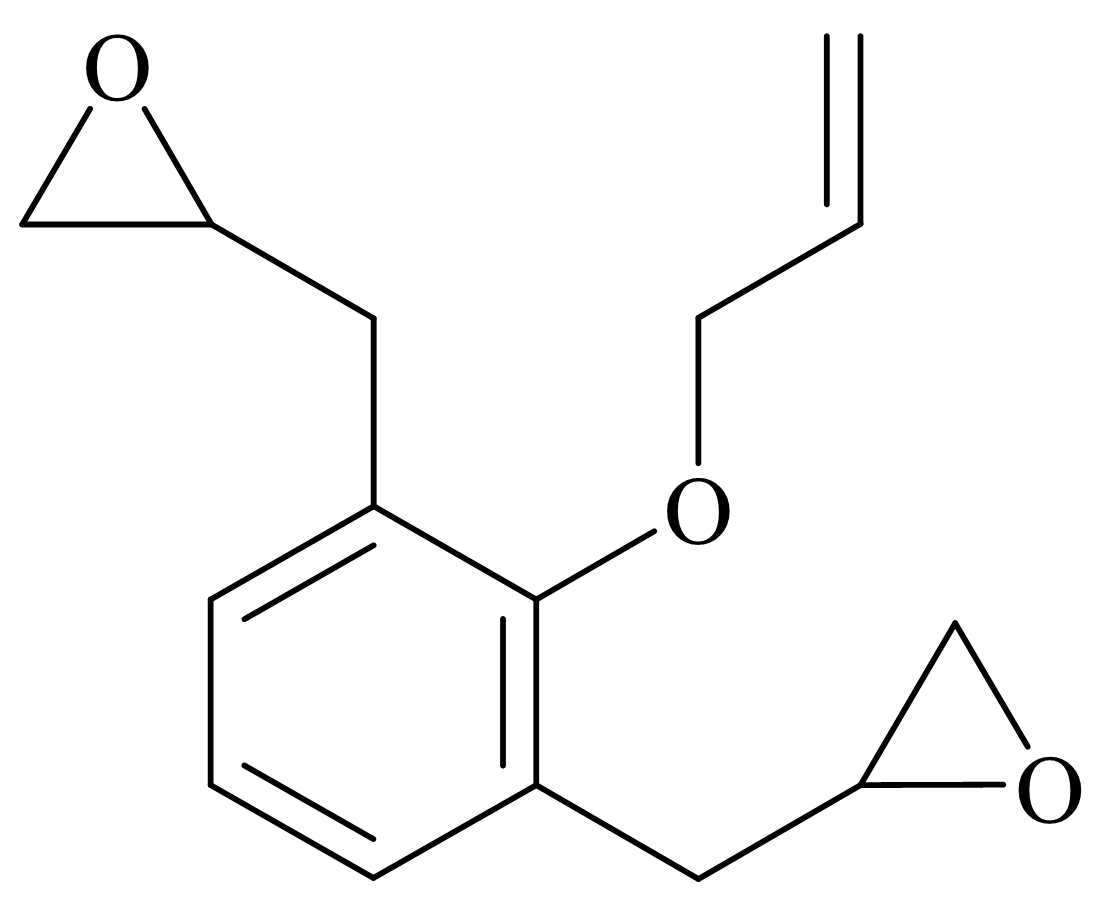
Review reactive groups, formulation viscosity and cure process for encapsulation and protective coatings.
Request this grade’s TDS / SDSMultifunctional epoxy base resin
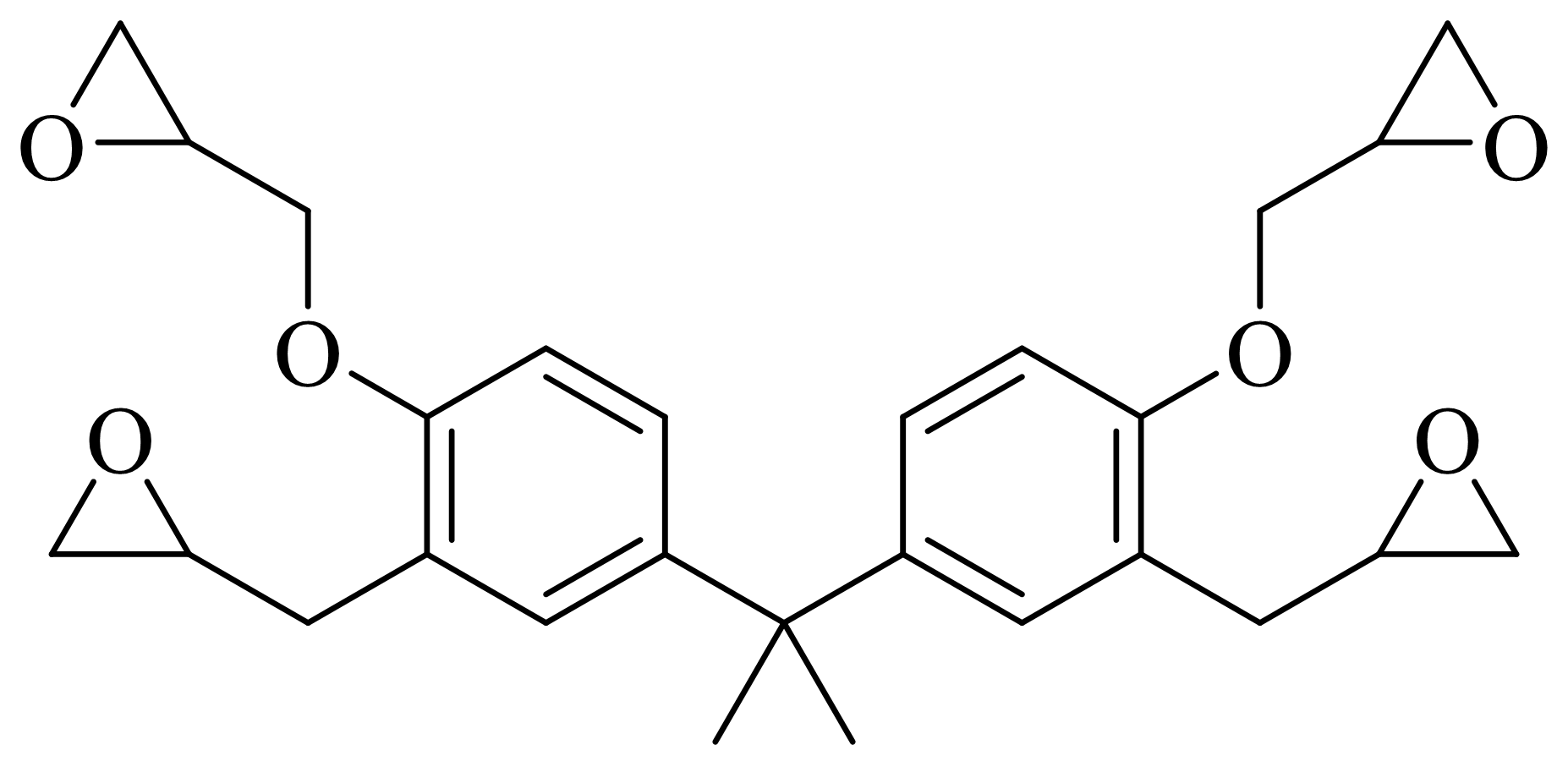
Review viscosity and curing stress in structural adhesive, composite and potting formulations.
Request this grade’s TDS / SDSAromatic diepoxy reactive ingredient
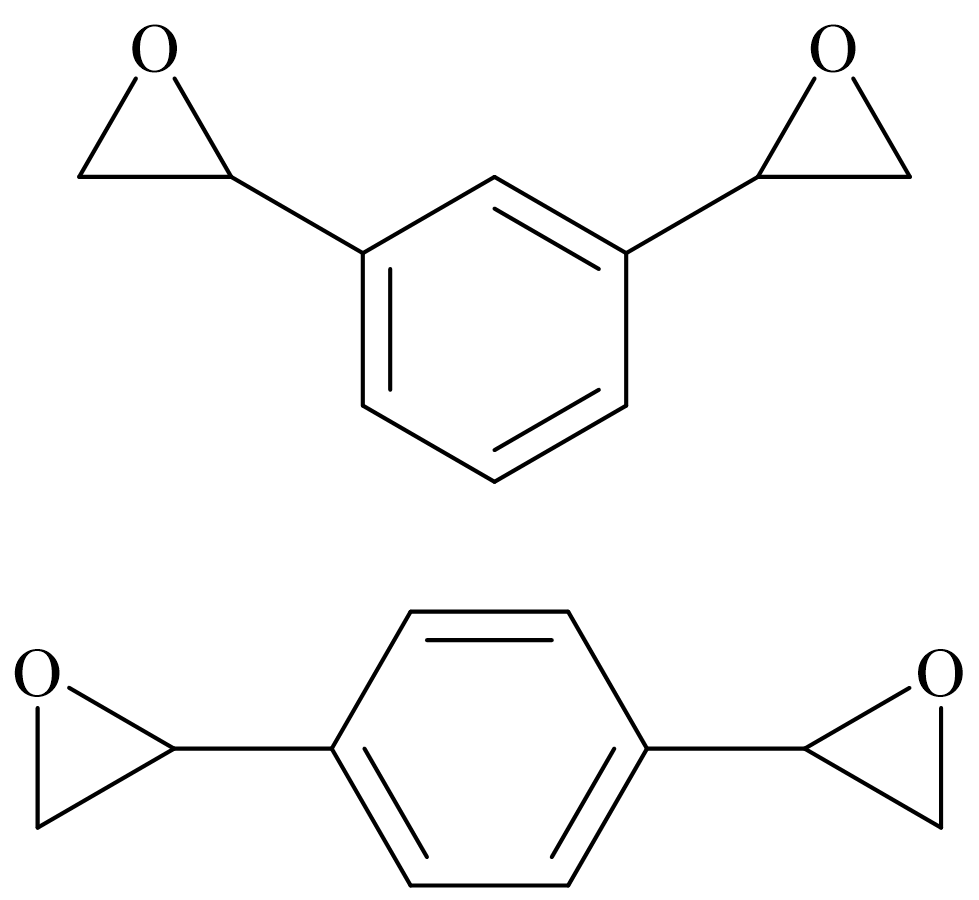
Review isomer composition and cure behaviour for encapsulation, laminates and structural adhesives.
Request this grade’s TDS / SDSHydroxyl-functional methacrylate monomer
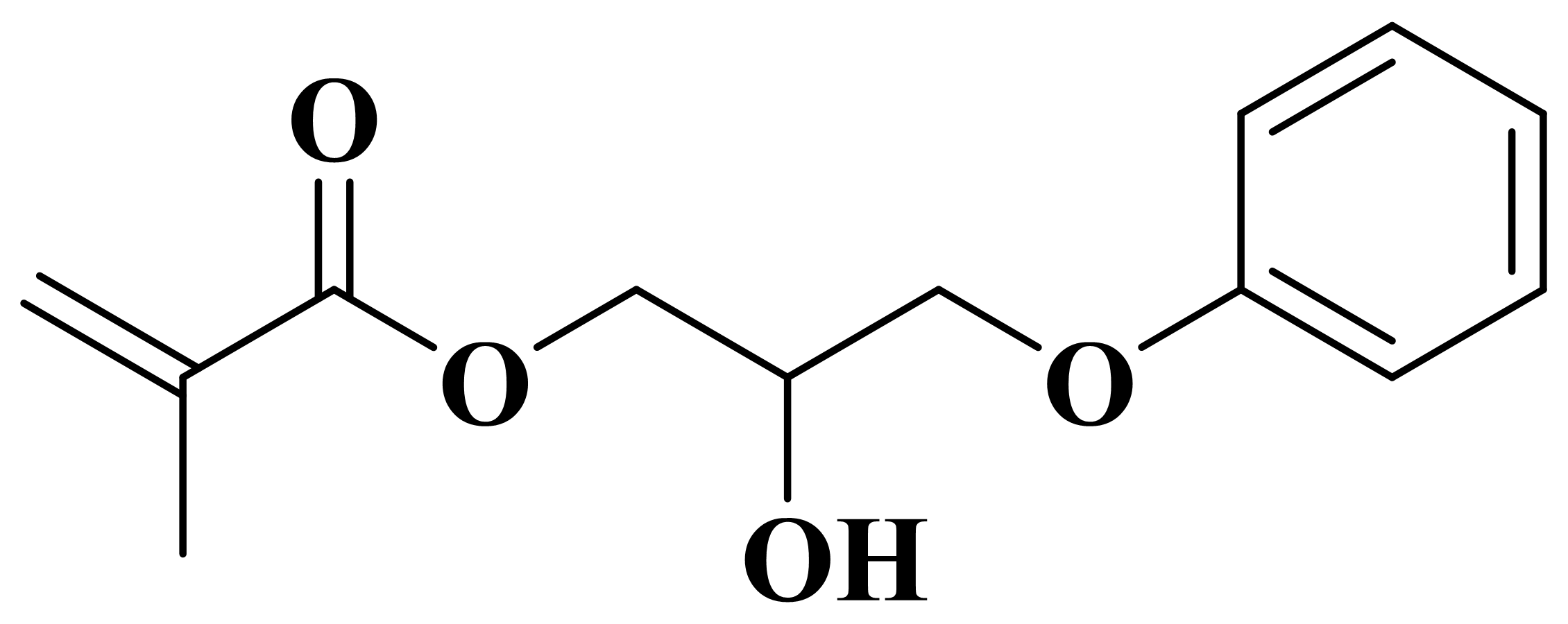
Compare wetting, cure and bonded interfaces in light-curing adhesives, coatings and inks.
Request this grade’s TDS / SDSDifunctional acrylate reactive ingredient
Review double bonds, hydroxyl groups, viscosity, loading and cure in light-curing formulations.
Request this grade’s TDS / SDSAcrylate diluent for light-curing formulations
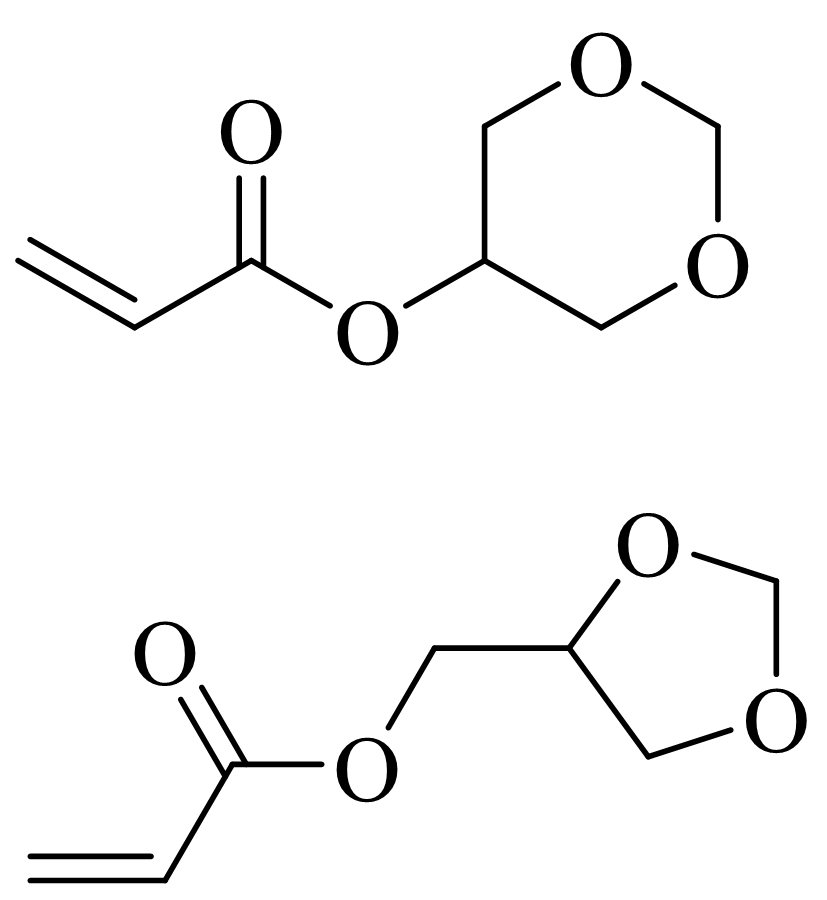
Review cyclic-structure composition, viscosity and cure conditions for adhesives, inks and 3D-printing formulations.
Request this grade’s TDS / SDSKeep the supplied grade suffix and confirm composition and specifications in its own TDS and SDS.
| Grade | Material type | Documents |
|---|---|---|
| YW-603E | Epoxy resin | Request TDS / SDS |
| YW-614E | Epoxy resin | Request TDS / SDS |
| YW-613E | Epoxy bonding material | Request TDS / SDS |
YW-622 — The brochure illustrates para/meta structures. This CAS does not establish one pure positional isomer; confirm the composition in the exact-grade SDS.
YW-802 — Confirm the named isomer and structural identity in the current grade-specific SDS.
APPLICATION & SELECTION
Review the photoinitiator against the light source and reactive resin.
Compare reactive diluents and multifunctional ingredients in the resin/curing-agent system.
Review acrylate ingredients against application process and film/joint requirements.
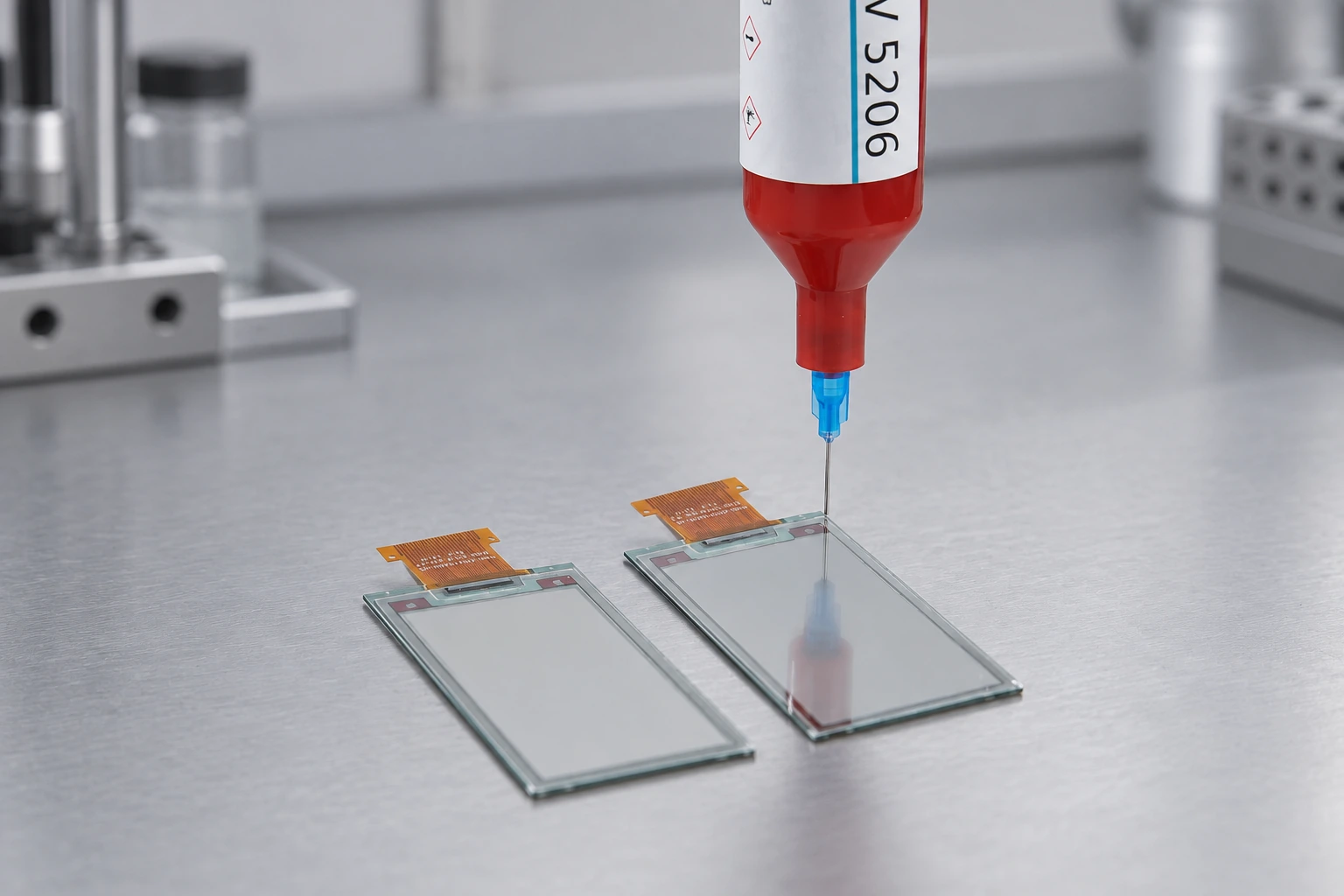
PROCESS ENGINEERING
TECHNICAL REVIEW
For numerical specifications, refer to the current grade-specific TDS.
This page concerns ingredients for formulation design. Use Electronic adhesives for finished adhesive selection and this category for formulation-function reviews.
CUSTOM SYNTHESIS & ADDITIVES
Share the target structure, intended role, purity, quantity and evaluation conditions. Discuss the synthesis route, supply format and compatibility with your formulation.
Discuss custom synthesis or additivesDOCUMENTS & SAMPLES
Request the information you need for product selection and internal evaluation.
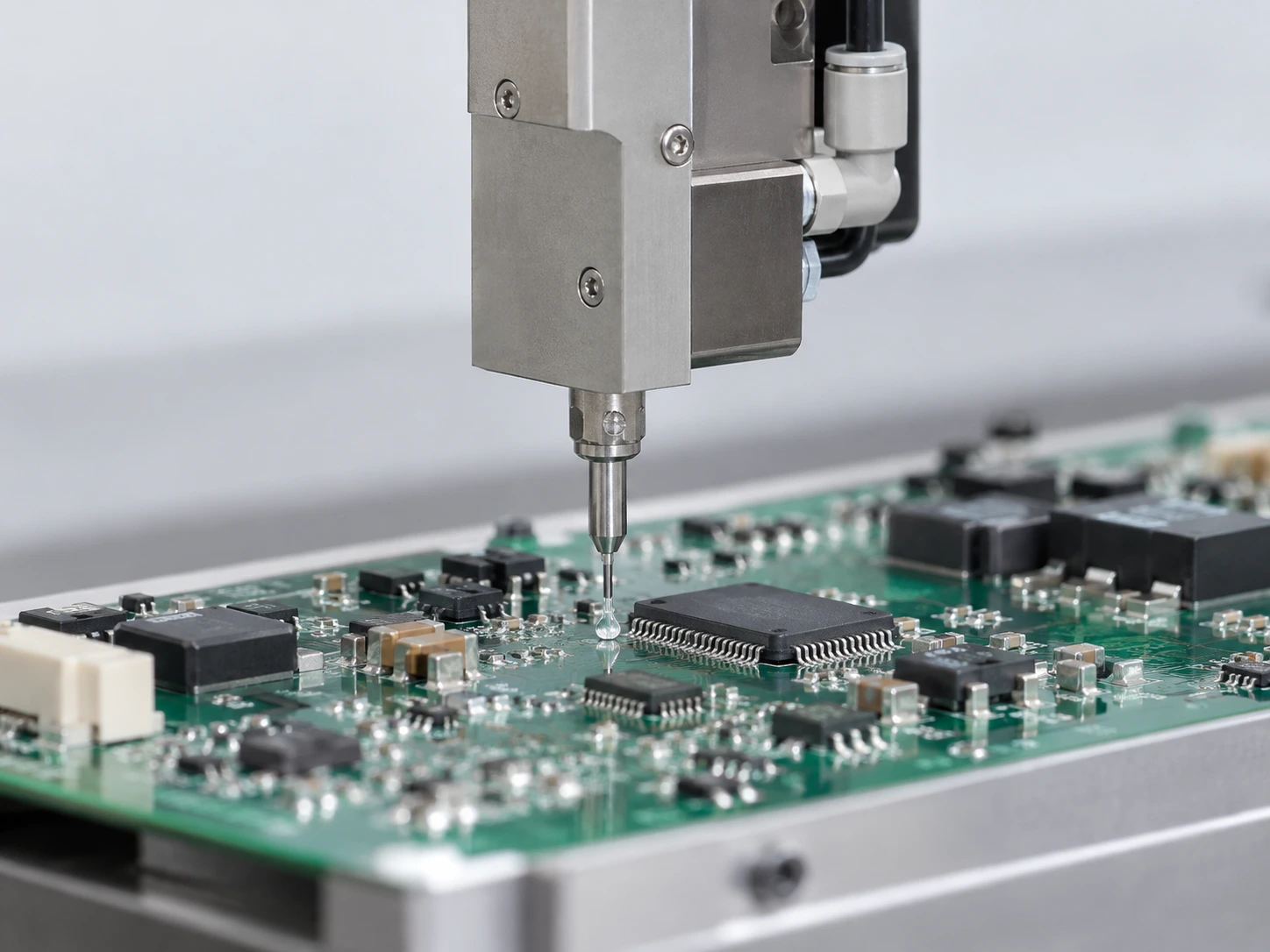
Organize bonding, sealing, thermal transfer and board protection around process and reliability needs.

Evaluate materials for micro torque, cleanliness, low migration and controlled feel.
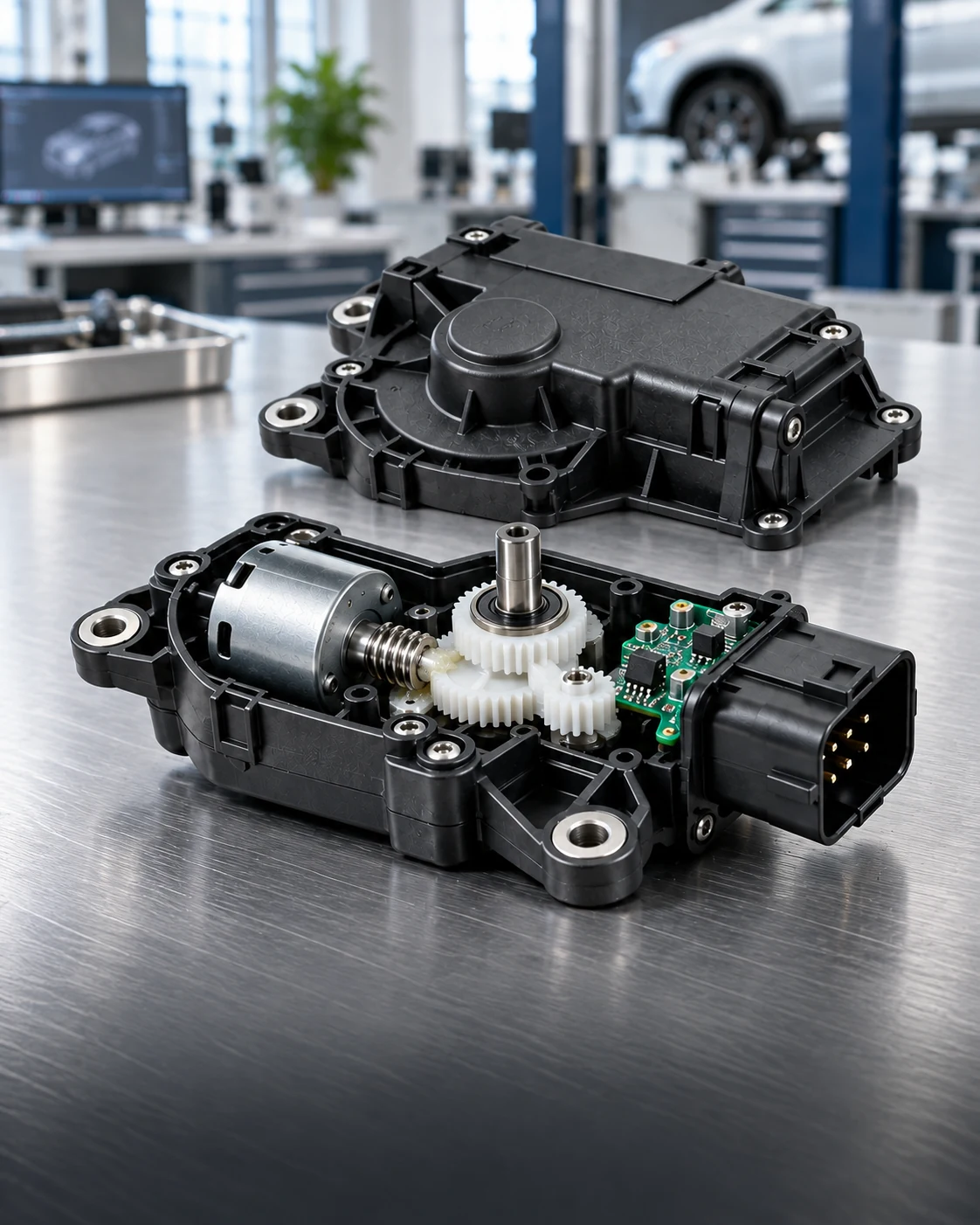
Explore automotive lubrication alongside bonding, sealing and electronic protection by component.