
BASE OIL / COMPATIBILITY / USE CONDITIONS

PFPE & fluorinated greases

Distinguish PFPE from fluorosilicone and review lubricant selection through contacting fluids, temperature, load/motion, material compatibility and changeover.
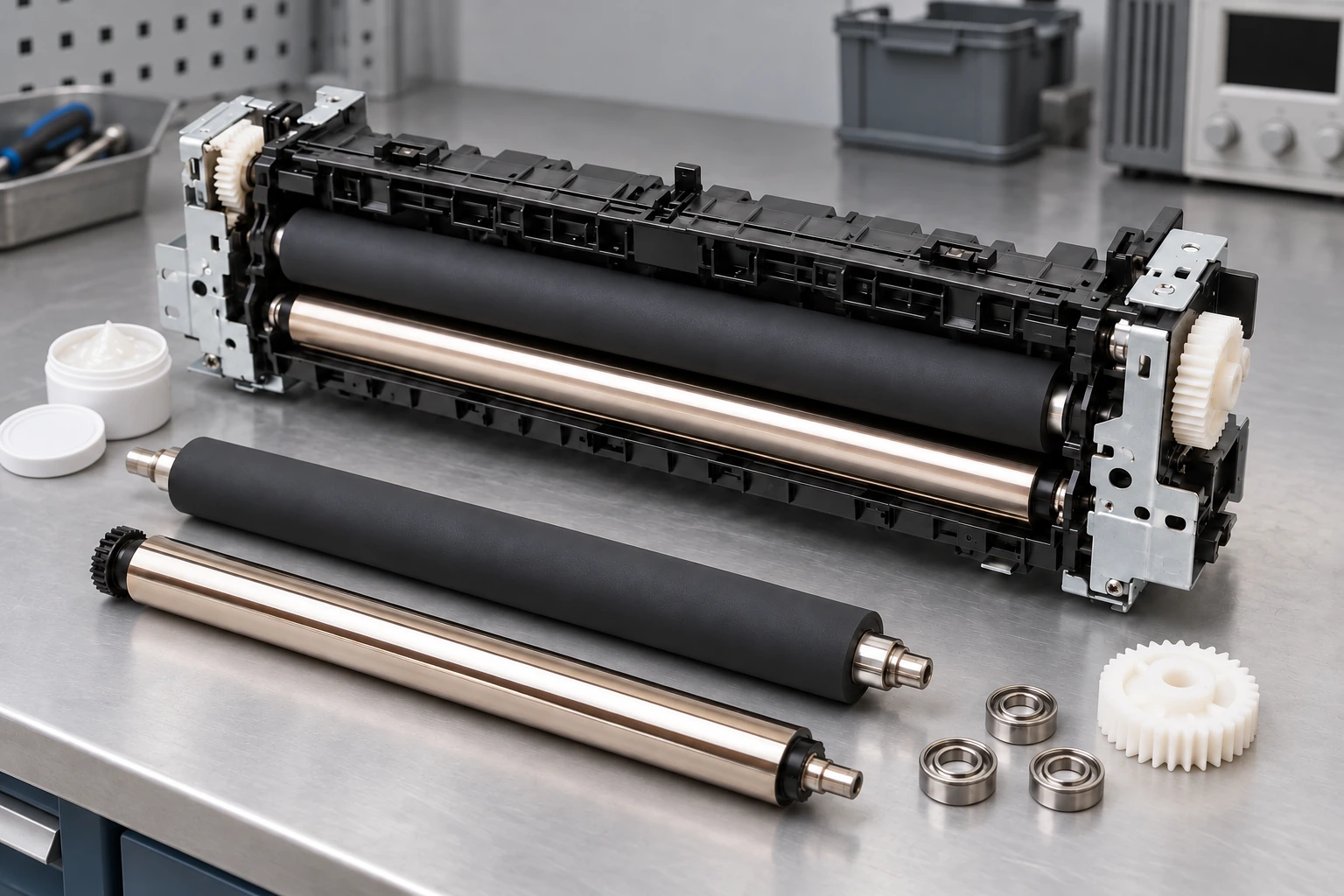
High-temperature application illustration of compact printer fuser rollers

Material features

  • High temperature
  • Chemical resistance
  • Low volatility

Selection criteria

  1. 01Atmosphere and chemicals
  2. 02Volatility and migration limits
  3. 03Counter materials and cleaning
View selection guide

PFPE / FLUOROSILICONE

Are PFPE and fluorosilicone the same material?

They use different base-oil chemistries. PFPE uses a perfluoropolyether base oil; fluorosilicone uses a silicone base oil with fluorinated side groups. Both can be described as fluorinated lubricants, but compatibility, temperature/fluid performance and changeover requirements are not interchangeable. Check the exact grade composition and test conditions.

Material familyBase-oil chemistryCheck for the exact grade
PFPE greasePerfluoropolyether base oilUse exact-grade records for base oil/thickener, viscosity/consistency, temperature, load, motion and contacting materials.
Fluorosilicone greaseSilicone base oil with fluorinated side groupsDistinguish it from PFPE and review contacting fluids, seals, temperature/torque and changeover from the current material.

PRODUCT LINEUP

Product lineup

Fluorinated greases with different base fluids. Select by contact materials and operating environment, then confirm suitability in grade-specific documents.

PFPE-based grease

PFPE-based grease
Grade / productMaterial typeApplications to review
FG204Enquire PFPE base oil / PTFE thickenerHigh-temperature bearings and gears, valves and seals, and specified sliding interfaces in fuser assemblies

Fluorosilicone grease

Fluorosilicone grease
Grade / productMaterial typeApplications to review
FG203Enquire PTFE-thickened fluorosiliconeBearings and seals exposed to chemicals, and specified sliding interfaces in fuser assemblies

Quote the grade or product name in your enquiry. Composition, numerical properties and use conditions are provided in current product-specific TDS and SDS.

Lubricants for your application

EUBO APPLICATION RANGE

Fluorinated bearing & seal grease

For bearings and seals under demanding temperature or chemical conditions. Review the base fluid, thickener and actual operating conditions for each grade.

Selection inputs
Base fluid and thickener, chemicals, temperature, speed, oil separation and life

EUBO APPLICATION RANGE

Fluorinated precision grease

Fluorinated grease options for precision mechanisms where evaporation and migration matter. Define optical cleanliness and torque requirements.

Selection inputs
Evaporation, migration toward optics, starting torque, cleanliness and dose

EUBO APPLICATION RANGE

Fluorosilicone grease

Fluorosilicone grease selection for specified bearings and seals exposed to chemicals. Review fluid exposure and material compatibility.

Selection inputs
Contact media, base fluid, seal materials, speed, temperature and evaporation

EUBO APPLICATION RANGE

PFPE Precision Grease

PFPE grease for hot bearings, valves, seals and precision equipment. Review temperature, load and material compatibility.

Selection inputs
Temperature, load, seal materials and the exact-grade documentation

EUBO APPLICATION RANGE

Vacuum & cleanliness review

Define atmosphere and acceptable deposits, then review volatility and migration for the exact grade.

Evaluation inputs
Vacuum level, actual temperature, runtime, contact materials and inspection locations.

EUBO APPLICATION RANGE

Heat & chemical exposure review

Define actual temperature and contacting chemicals, then evaluate compatibility on the parts and seals.

Evaluation inputs
Fluid identity, concentration, exposure time, temperature and seal material.

Confirm composition, temperature range, viscosity or consistency, material compatibility and required registrations for the exact grade.

PRINTERS & OFFICE EQUIPMENT

Lubrication for printers & copiers

From heated fuser assemblies to plastic gears and sliding guides, select the lubricant for the contact inside the mechanism.

PFPE / FLUORINATED GREASE

Fuser assemblies & bearings

Evaluate fuser roller bearings and specified sliding interfaces in the fixing assembly. Match the grade and dose to contact materials, local temperature and load.

Explore fluorinated greases
DRY-FILM LUBRICANT

Plastic gears, guides & sliders

A thin lubricating film for drive gears, guides and sliding parts in paper-feed mechanisms. Review plastic compatibility, operating noise, film endurance and paper or toner dust.

Explore dry-film lubricants

Define lubrication points separately from paper-gripping roller surfaces, and check lubricant migration toward paper, toner and optical surfaces in the assembled printer.

APPLICATION & SELECTION

Explore the parts and processes.

Application examples for evaluation on actual parts. Match operating conditions with the exact-grade documentation.
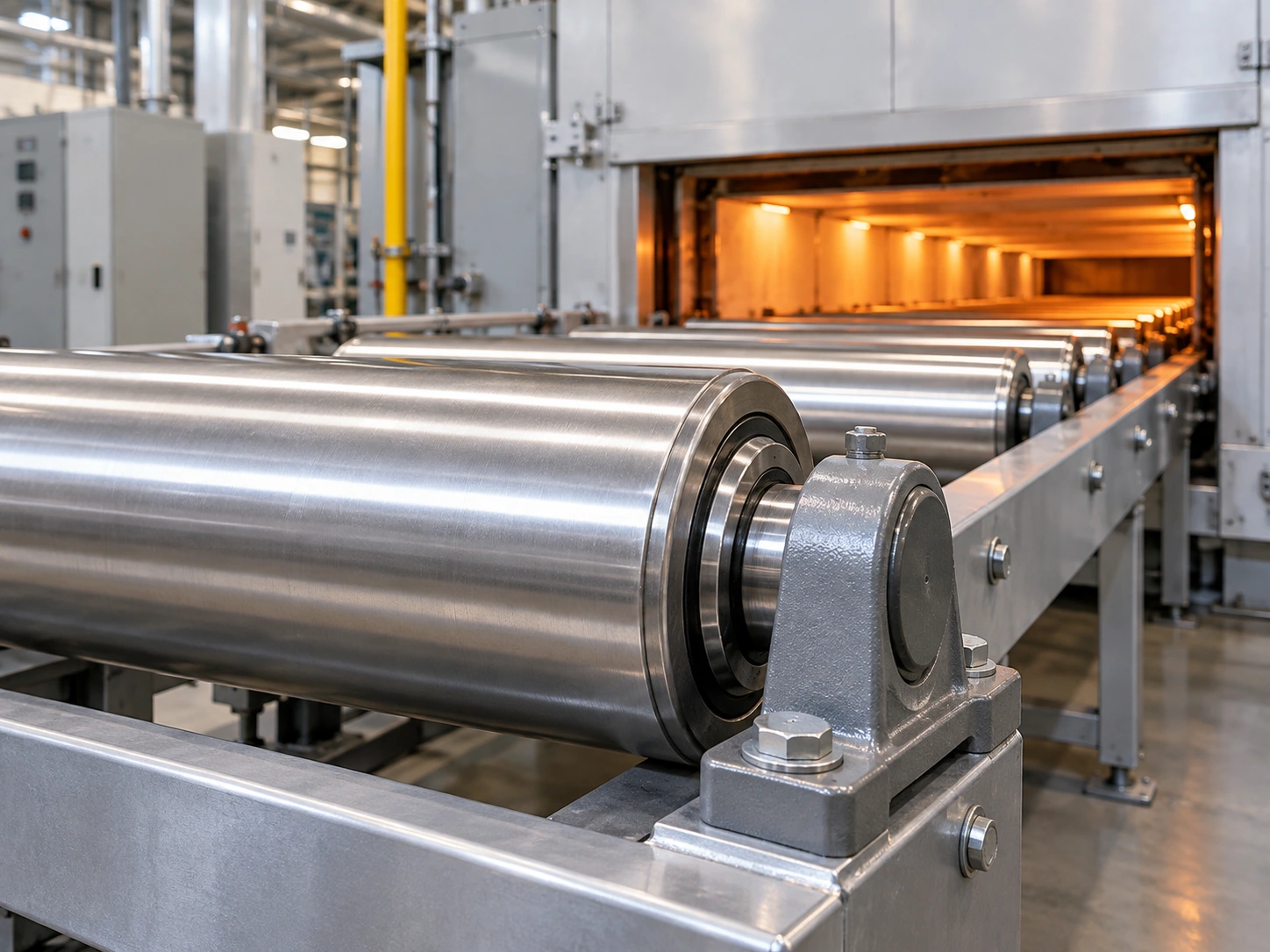
High-temperature bearings & rollers · Review grade-specific suitability for rotating supports and conveyor parts exposed to heat.
01

Hot bearings & rollers

Review grade-specific suitability for rotating supports and conveyor parts exposed to heat.

Evaluation focus
Actual temperature, duration, load, seals and relubrication interval.
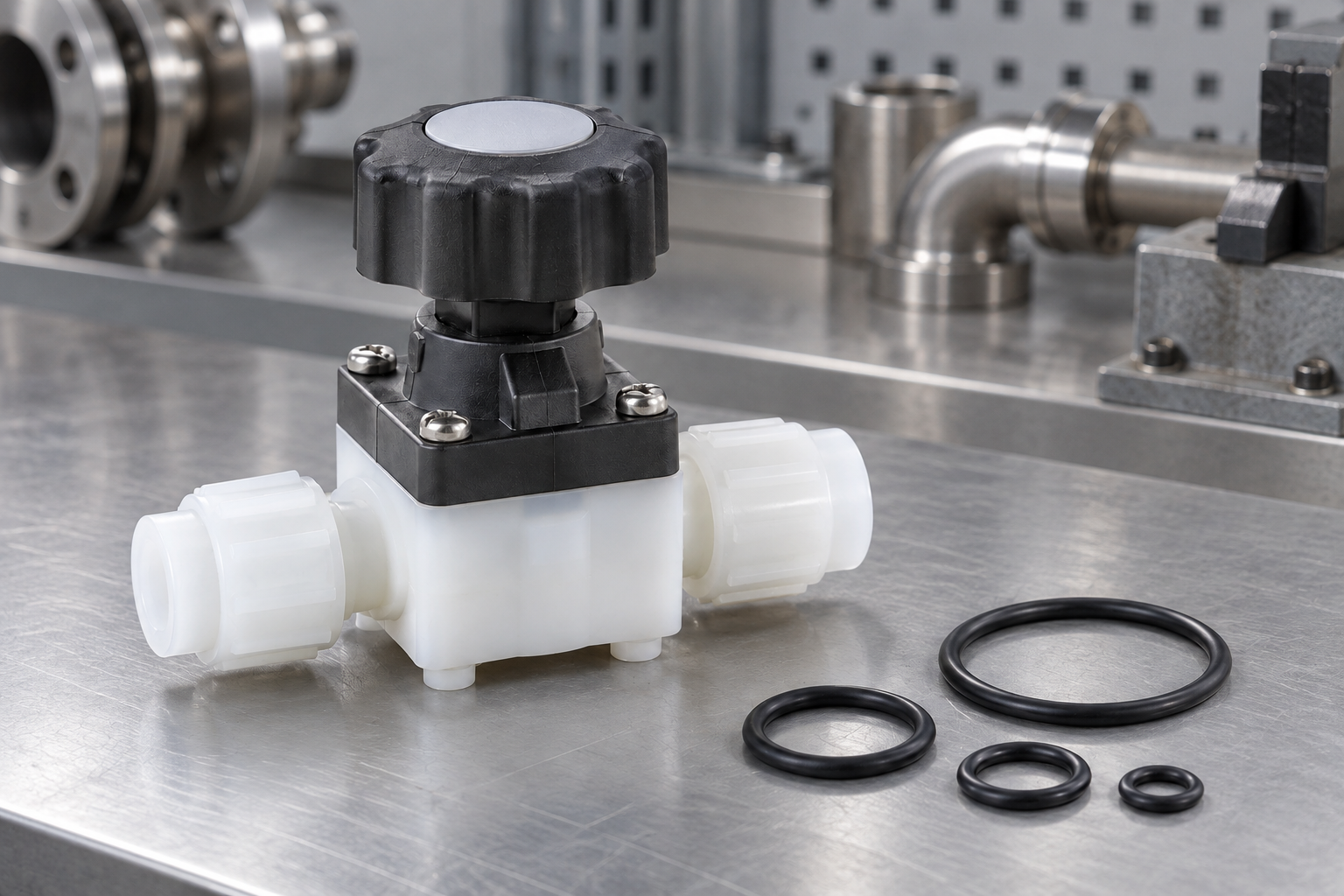
Valves & seals exposed to chemicals · Identify contacting chemicals and seal materials before reviewing compatibility.
02

Valves & seals exposed to chemicals

Identify contacting chemicals and seal materials before reviewing compatibility.

Evaluation focus
Fluid identity, concentration, temperature, exposure time and dimensional changes.
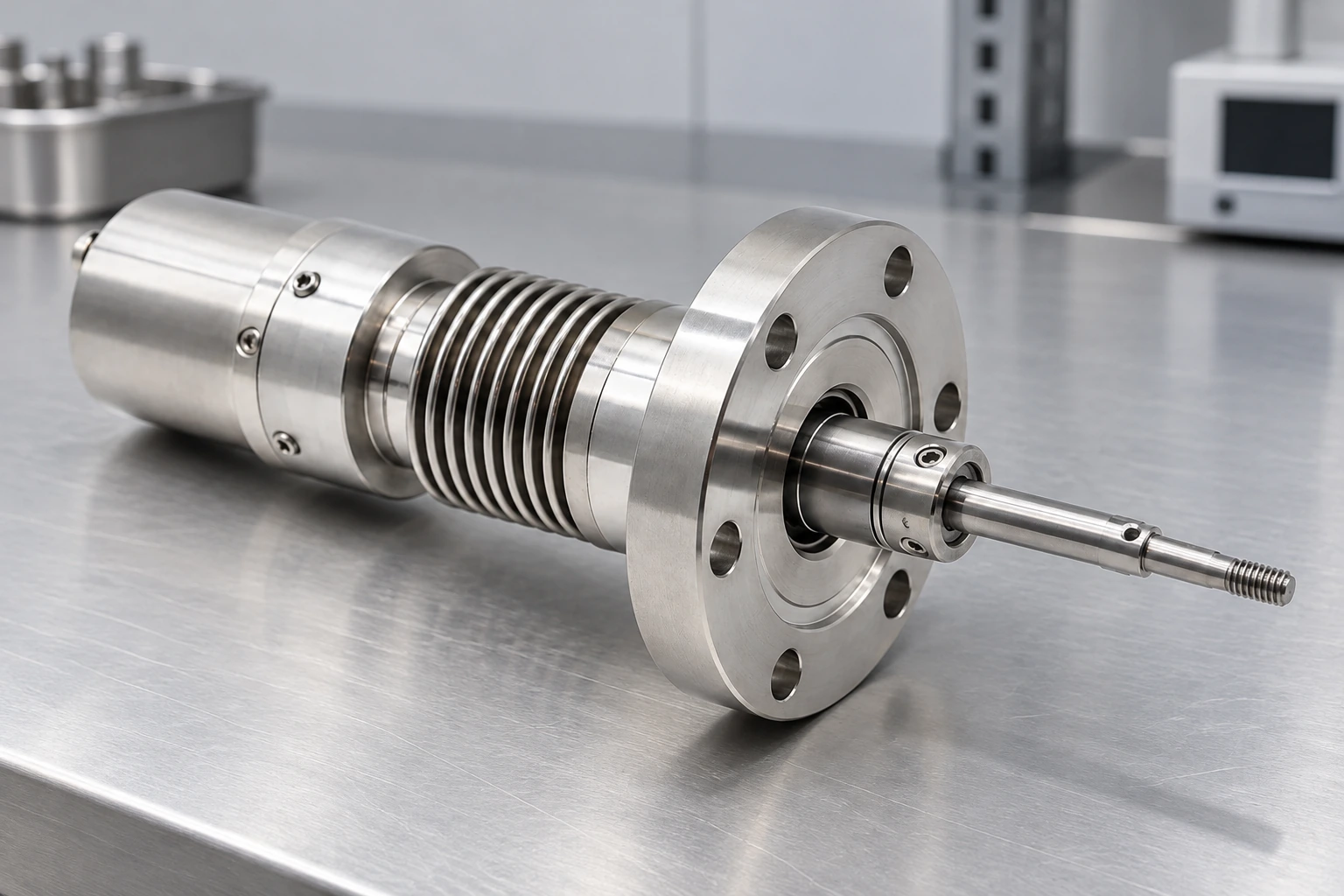
Vacuum & low-volatility mechanisms · Compare sliding/rotating mechanisms requiring low volatility under defined atmosphere and cleanliness conditions.
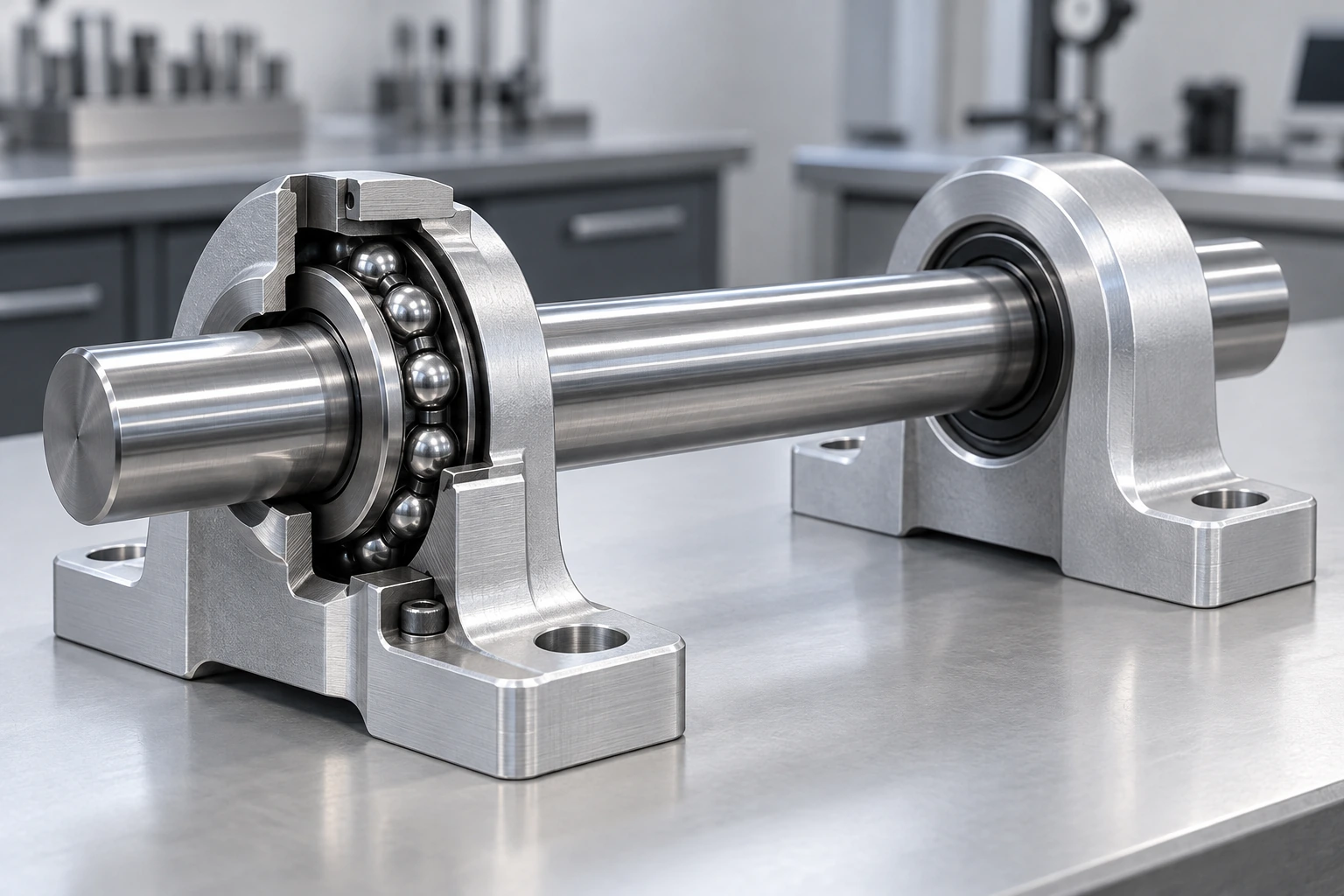
03

Vacuum & low-volatility mechanisms

Compare sliding/rotating mechanisms requiring low volatility under defined atmosphere and cleanliness conditions.

Evaluation focus
Vacuum level, evaporation, outgassing, migration and contacting materials.
More evaluation examples (3)
Precision bearings & mechanisms near optics · Mechanisms requiring controlled micro torque and surrounding deposits; assess these separately from high-heat service.
04

Precision optical mechanisms

Mechanisms requiring controlled micro torque and surrounding deposits; assess these separately from high-heat service.

Evaluation focus
Torque, thermal cycling, contamination and polymer/elastomer compatibility.
Printer fuser assemblies · Review grade selection for fuser roller bearings and specified sliding interfaces around contact materials and local temperature.
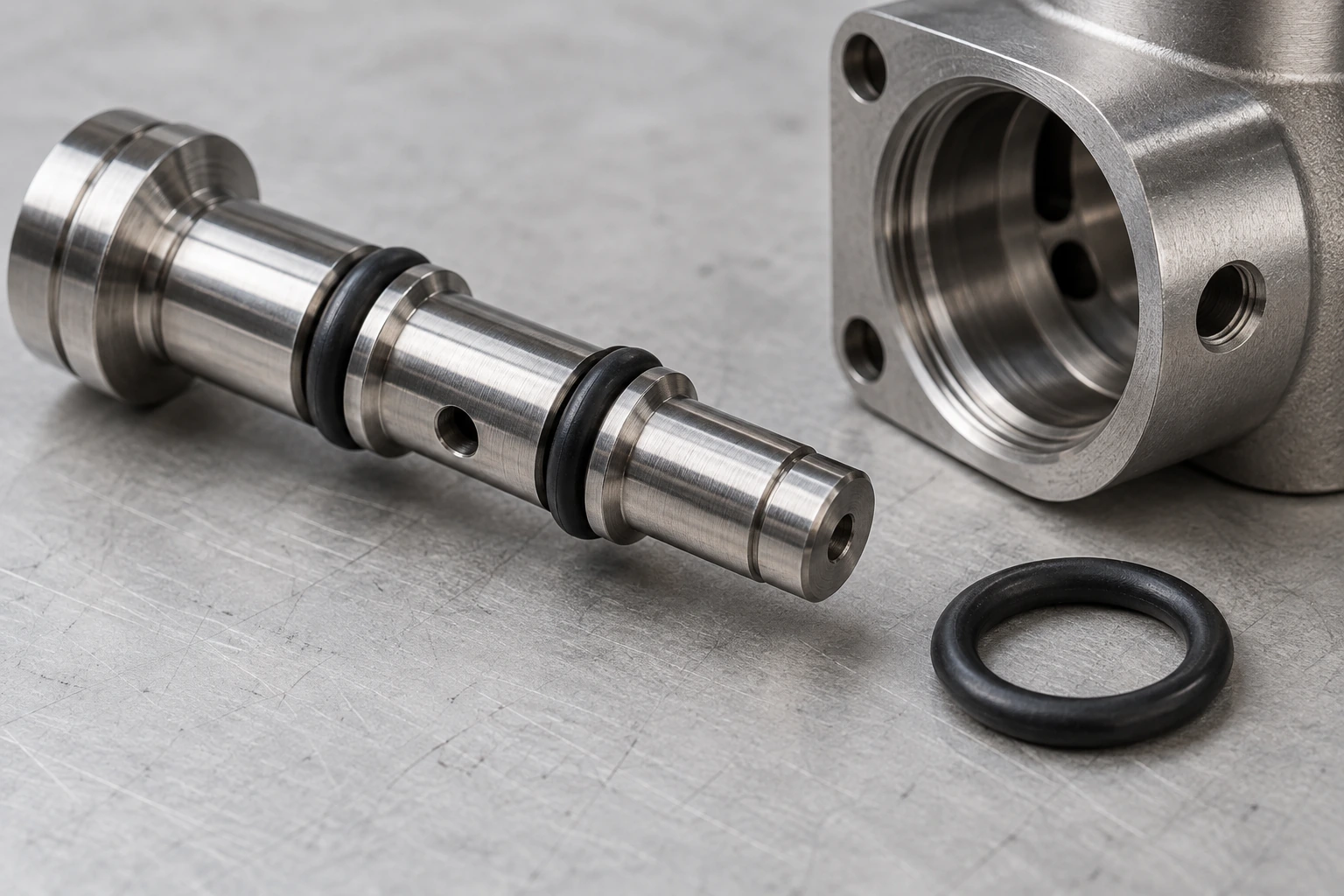
05

Printer fuser assemblies

Review grade selection for fuser roller bearings and specified sliding interfaces around contact materials and local temperature.

Evaluation focus
Local temperature, load, contact materials, dose and migration toward paper.
Seal assembly & material compatibility · Review O-ring and seal assembly conditions against the exact grade, actual elastomer and contacting fluid.
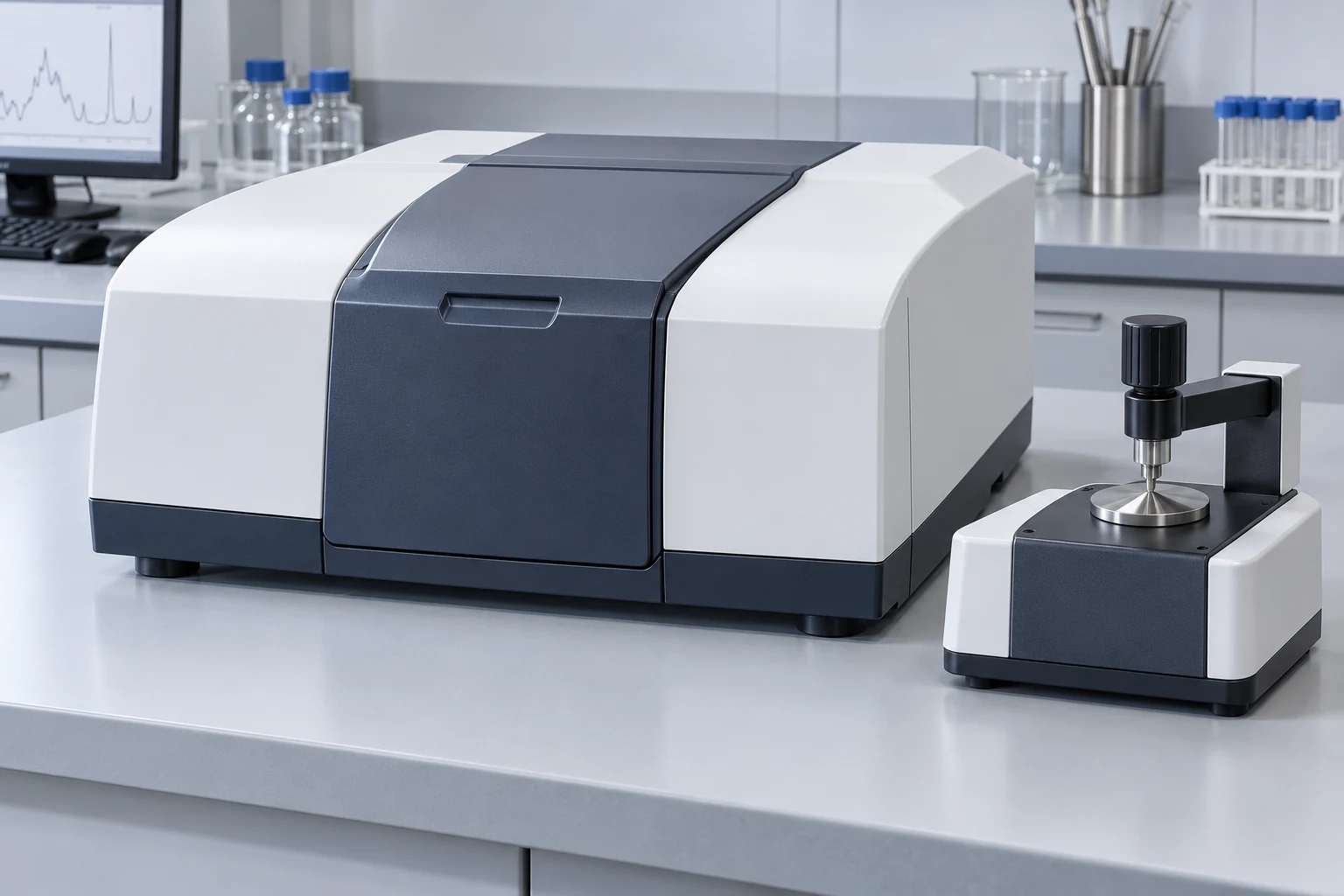
06

Seal assembly & material compatibility

Review O-ring and seal assembly conditions against the exact grade, actual elastomer and contacting fluid.

Evaluation focus
Elastomer grade, assembly friction, dose, dimensional changes and sealing performance.
Evaluate contact materials and operating conditions

PROCESS ENGINEERING

Changeover, cleaning and dosing

  1. Identify current/candidate base-oil chemistries
  2. Define fluids, contact materials and operation
  3. Set changeover, cleaning and dosing conditions
  4. Compare operation and durability on actual parts

TECHNICAL REVIEW

Base-oil category, compatibility and changeover

For numerical specifications, refer to the current grade-specific TDS.

Grade & composition
Separate PFPE and fluorosilicone, and check base oil, thickener and document revision.
Fluid & material compatibility
Evaluate the fluid/concentration, temperature, duration and actual polymer/elastomer/metal combination.
Temperature, load & motion
Compare continuous/transient temperature, speed/load, starting/running torque and post-durability condition.
Vacuum & cleanliness requirements
Match pressure/temperature, evaporation/outgassing and deposit requirements to documented tests; do not infer suitability from the category alone.
Changeover & residues
Do not assume mixing is acceptable. Review contact with the current lubricant, residues, cleaning and filling for the exact grade.

Frequently asked questions

Are PFPE and fluorosilicone greases the same?

Their base-oil chemistries differ. A shared fluorinated category does not make them interchangeable; use grade composition, test conditions and actual-part evaluation.

Can it be added to a conventional grease?

Do not assume blending is acceptable. Review interactions, residues and the changeover/cleaning procedure in the relevant records and evaluate the assembly.

Is a fluorinated grease suitable for any valve or O-ring?

A component name or material category is insufficient. Identify the fluid, temperature/pressure, seal material and operating conditions, then review the exact grade scope.

What information is needed to request records?

Share the candidate/current material, fluids and contact materials, temperature/load/motion, and vacuum or cleanliness requirements so that the relevant TDS/SDS and evaluation conditions can be reviewed.

Related materials and ingredients

Specialty lubricants Silicone greases Thin-film lubricants PFAS-free materials

DOCUMENTS & SAMPLES

Documents & evaluation samples

Request the information you need for product selection and internal evaluation.
TDS

Technical properties & use guidance

Request
SDS

Safe handling & storage

Request
Evaluation sample

Try the material on your parts & process

Request

Explore application requirements

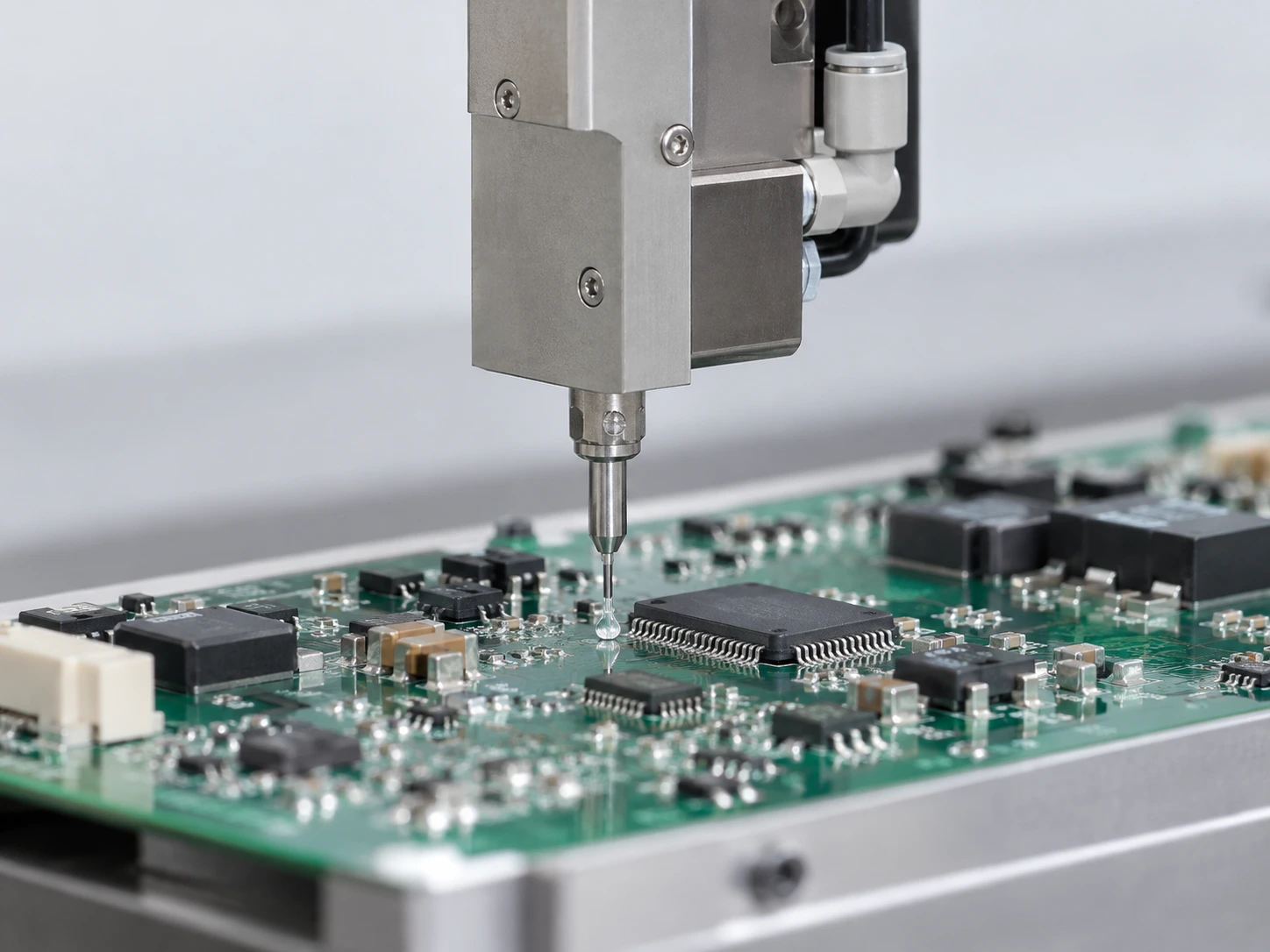
Precision dispensing for electronics

Electronics & semiconductor

Organize bonding, sealing, thermal transfer and board protection around process and reliability needs.
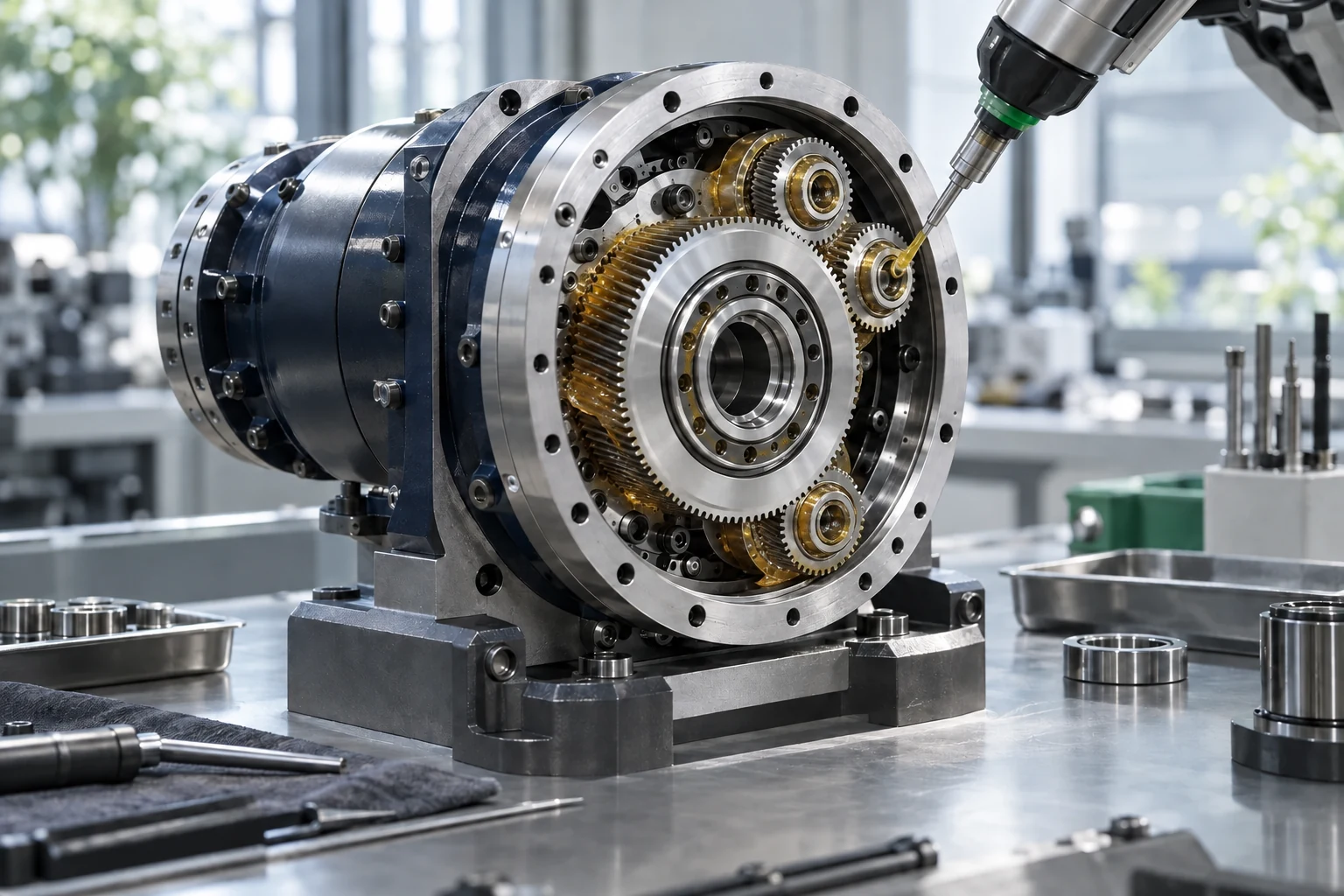
Greased industrial reducer

Industrial & robotics

Evaluate reducer and sliding lubrication by load, speed, temperature and relubrication interval.
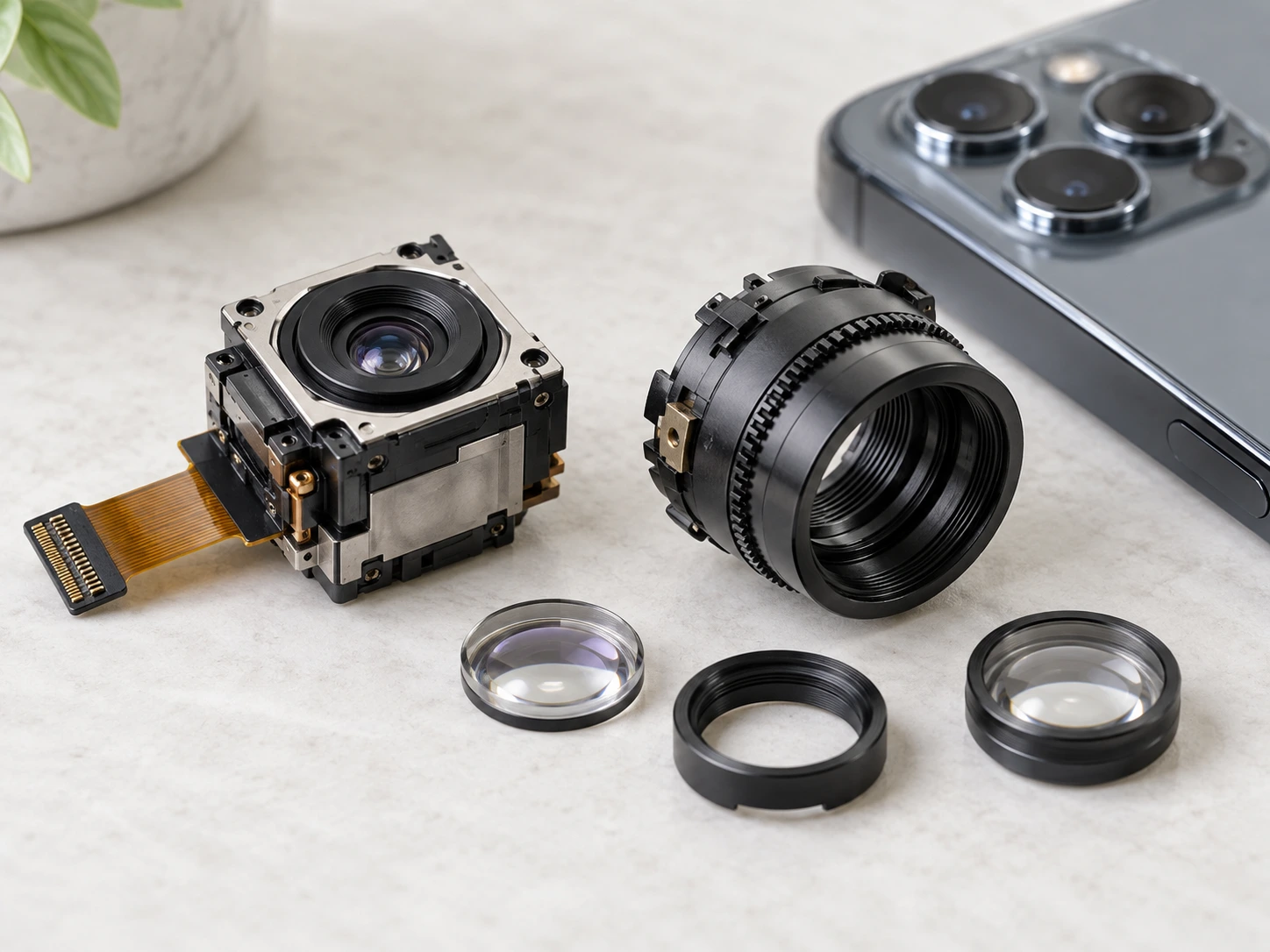
Application illustration of lenses and compact optical modules

Precision & optical

Evaluate materials for micro torque, cleanliness, low migration and controlled feel.

EUBO · PRIVACY

Cookies & storage settings

These choices apply to this browser. Browsing or scrolling does not give permission for optional purposes.

Essential site & enquiry features

Used for privacy preferences, enquiry continuity, unsent text and attachments, and reply status. This storage is not used for analytics or advertising.

Always on

If optional tools are added, we will ask for a new choice. Preferences are valid for up to 180 days and can be changed through Cookie settings in the footer.