WATER-BASED COATINGS / CORROSION PROTECTION

Water-based & Dacromet coatings

Water-based coatings for colour and finish on plastic components, alongside thin-film anticorrosion systems for metal parts. Select materials and processes around the substrate, equipment and required finish.
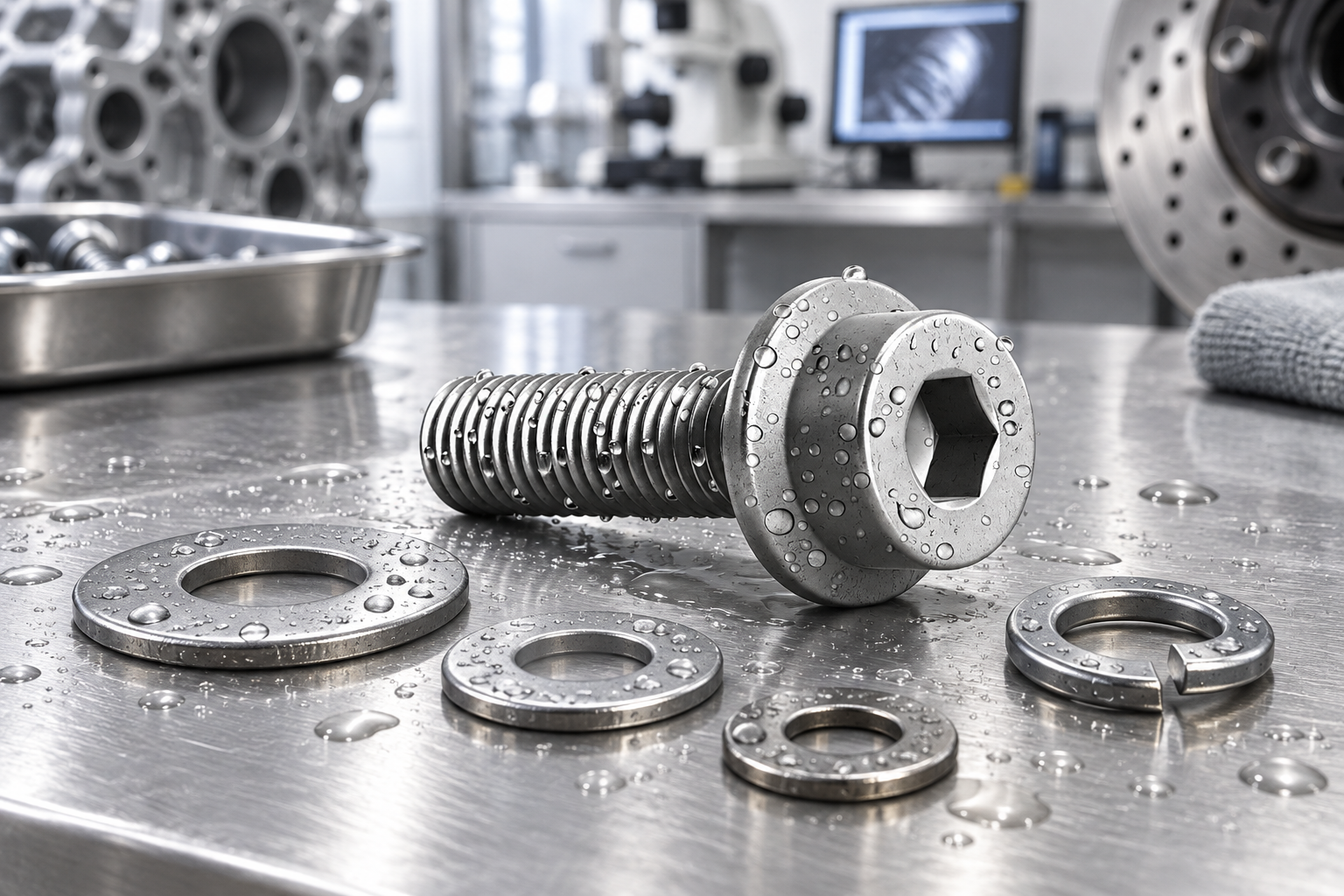
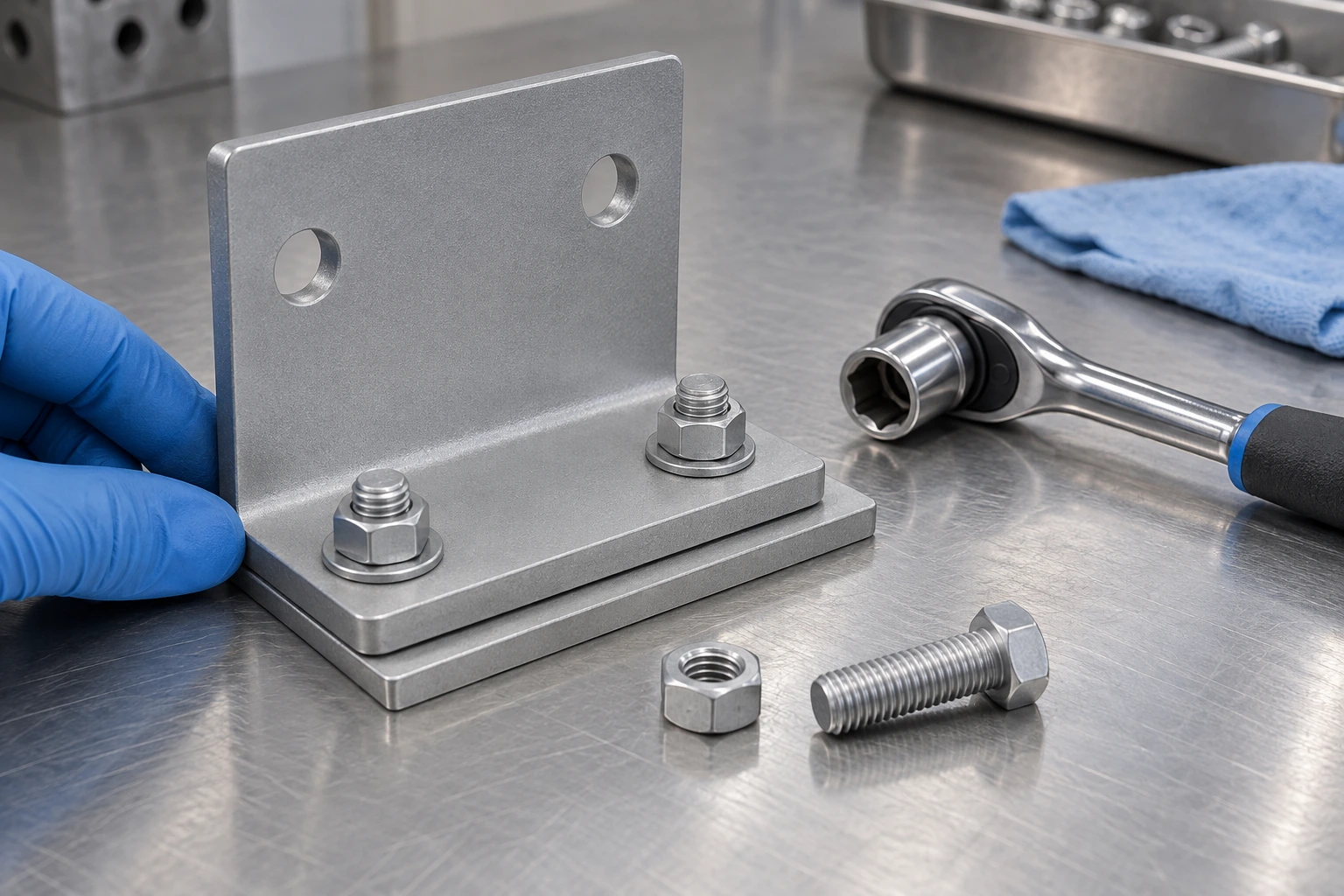
Edited workbench illustration of a wet fastener and washers

Material features

  • Water-based finishes for plastic parts
  • Metal-component corrosion protection
  • Substrate and preparation
  • Application and drying
  • Film thickness and finish
  • Adhesion and durability testing

Selection criteria

  1. 01Component geometry, substrate and surface condition
  2. 02Coating equipment, drying and baking conditions
  3. 03Exposure, appearance and corrosion requirements
View selection guide

PRODUCT SERIES

Product series by application

COATING PROCESS

Coating processes by substrate

Water-based plastic finishes

  1. Identify, clean and prepare the substrate

  2. Apply the selected primer and colour coat

  3. Add a clear coat where specified

  4. Dry or cure within the substrate’s heat limits

Review colour, gloss, adhesion and finish on actual components. Set the layer system and drying conditions from the selected coating specification.

Metal anticorrosion films

  1. Prepare the surface by degreasing and removing rust

  2. Apply by dip-spin, rack dipping or spray

  3. Pre-dry, bake and cool

  4. Repeat as specified, add any topcoat and inspect

Use two coats and two bakes (2C2B) where the selected system specifies it. Confirm thickness, bake temperature and time, friction, corrosion performance and chromium content in the exact material’s TDS and SDS.

APPLICATION & SELECTION

Explore the parts and processes.

Application examples for evaluation on actual parts. Match operating conditions with the exact-grade documentation.

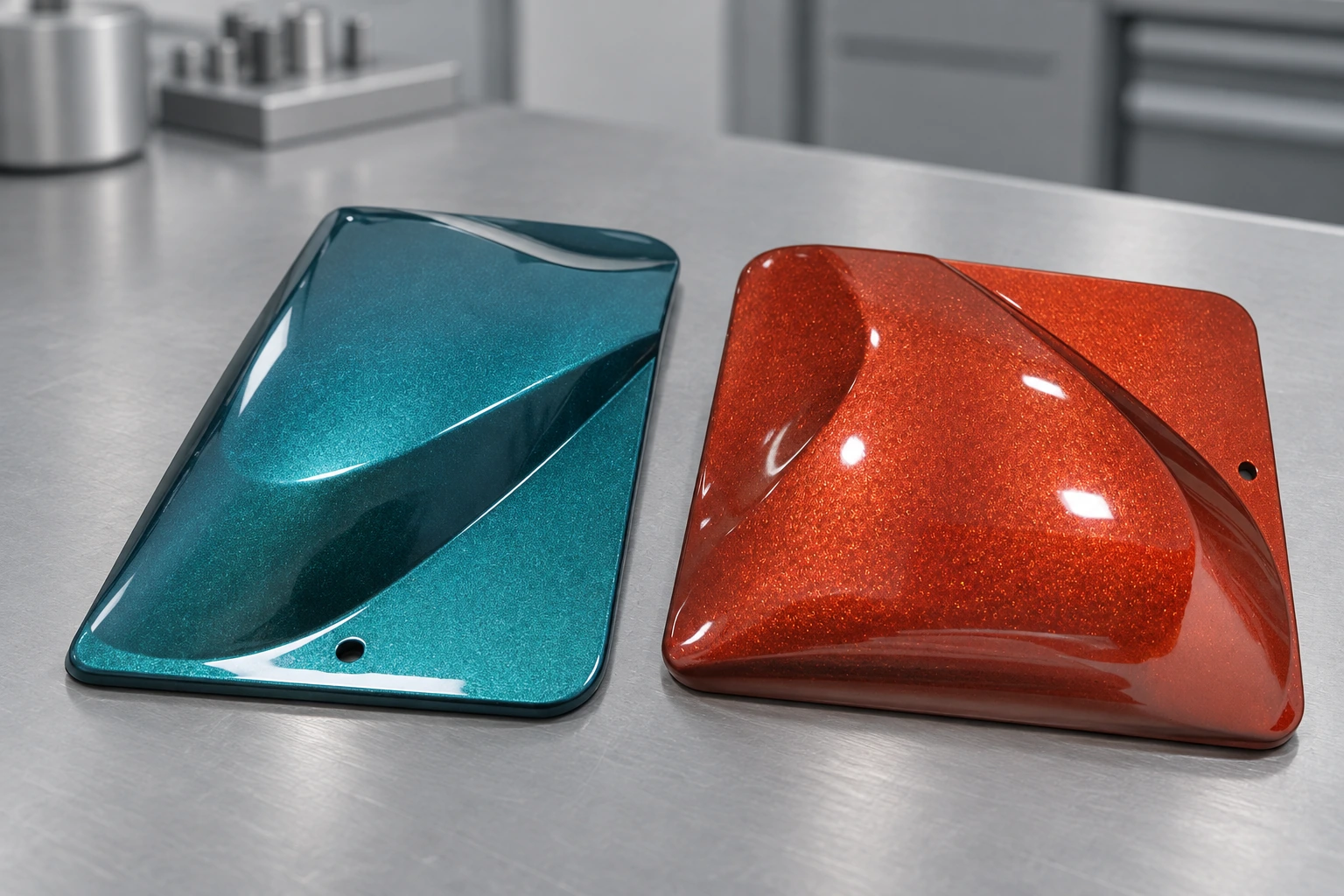
Colour & finish on plastic components · Match plastic substrates with the required colour and gloss for appliances, two-wheelers, electronics and automotive components.
01

Plastic colour & finish

Match plastic substrates with the required colour and gloss for appliances, two-wheelers, electronics and automotive components.

Evaluation focus
Preparation, primer, colour coat, optional clear coat, adhesion, drying and substrate heat limits.
Fasteners & metal components · Identify the metal, surface condition and specified coating system for bolts, nuts and brackets.
02

Fasteners & metal components

Identify the metal, surface condition and specified coating system for bolts, nuts and brackets.

Evaluation focus
Coverage, thickness, adhesion, thread and mating dimensions, and corrosion testing.
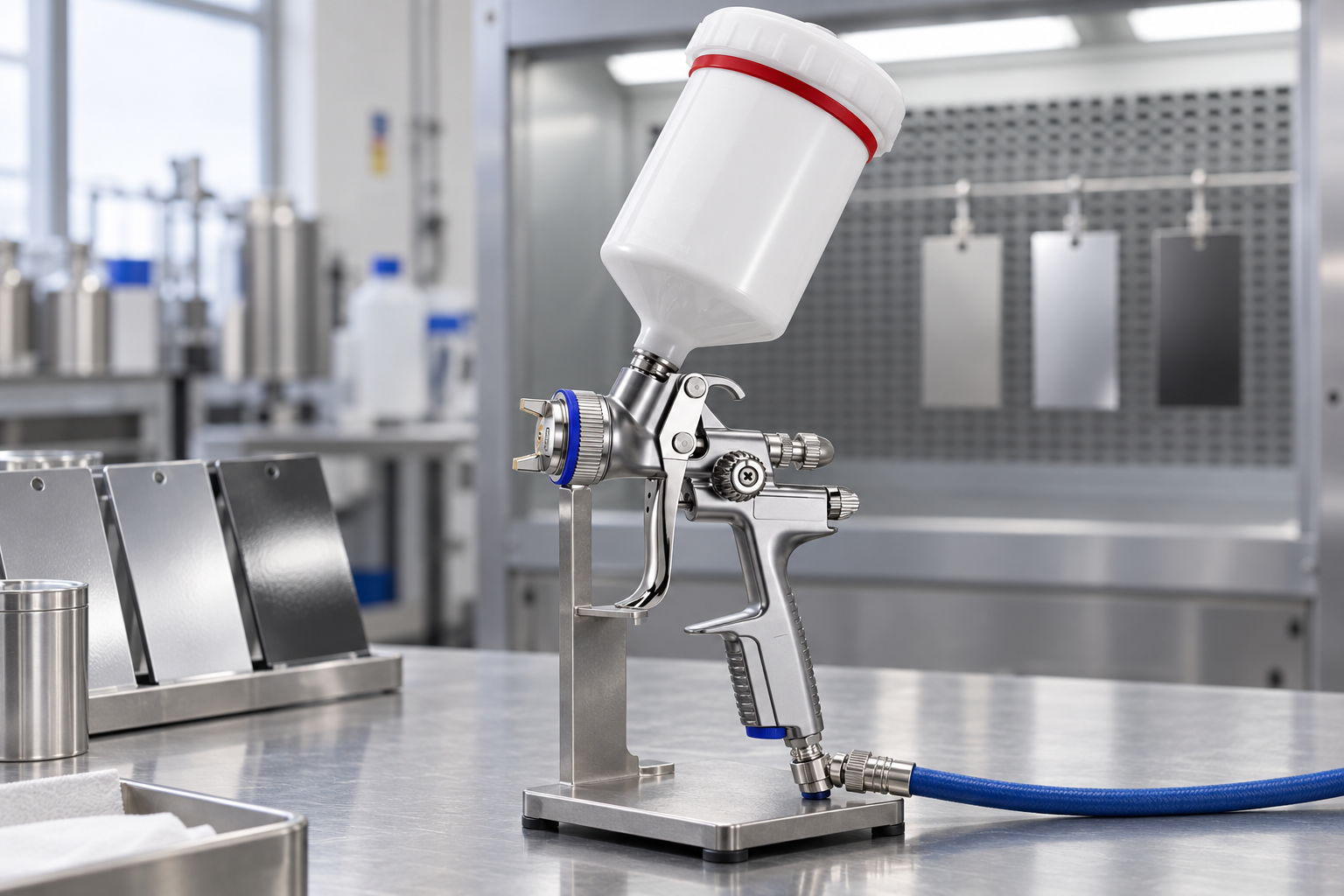
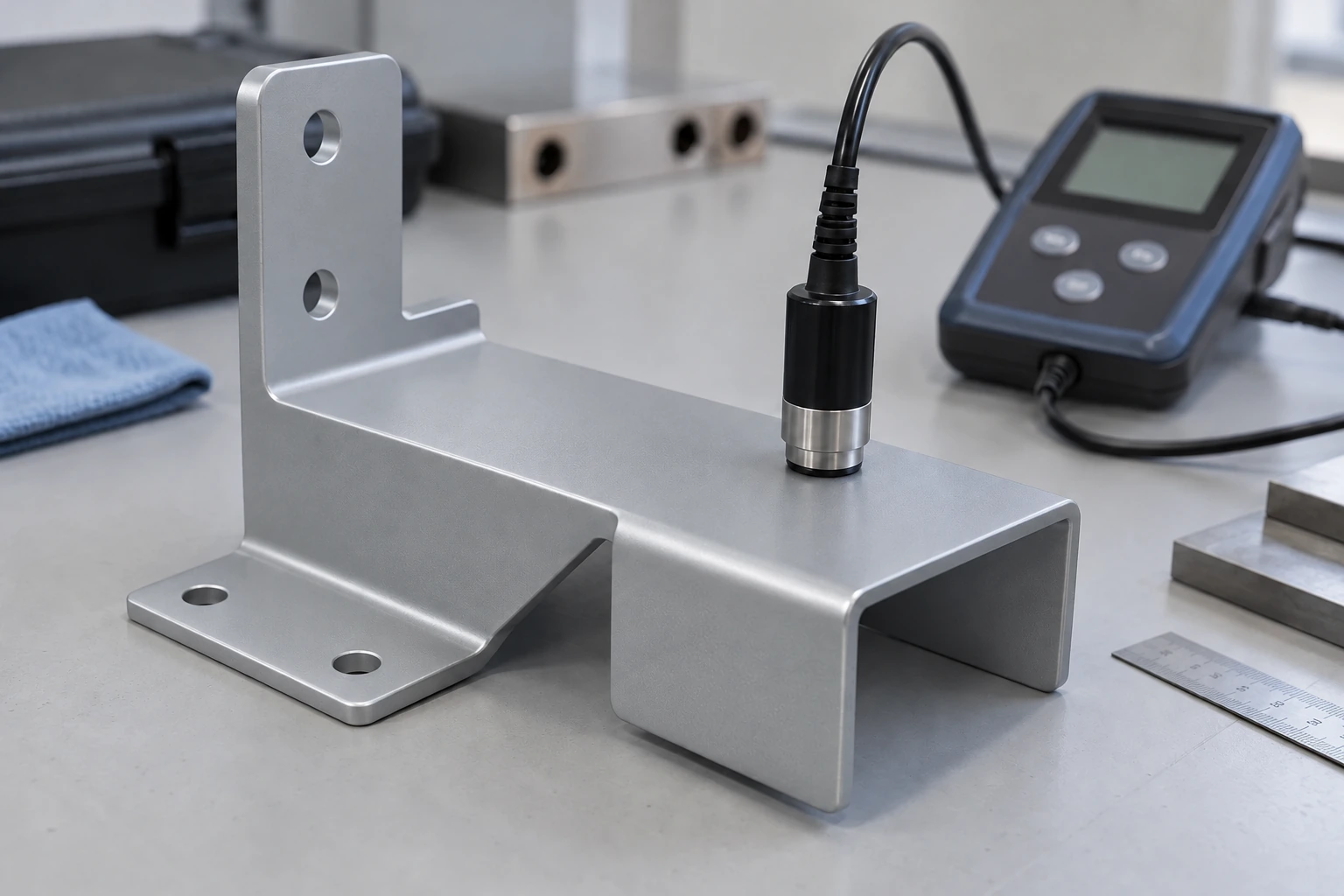
Application & production process · Match preparation, application, drying and baking to the selected material and equipment.
03

Application & production process

Match preparation, application, drying and baking to the selected material and equipment.

Evaluation focus
Throughput, masking, coverage, assembly dimensions and process repeatability.
More evaluation examples (3)
Thickness & finish review · Review thickness, appearance and adhesion on actual parts, then define corrosion tests for the intended exposure.
04

Thickness & finish review

Review thickness, appearance and adhesion on actual parts, then define corrosion tests for the intended exposure.

Evaluation focus
Target thickness, surface condition, measurement method and acceptance criteria.
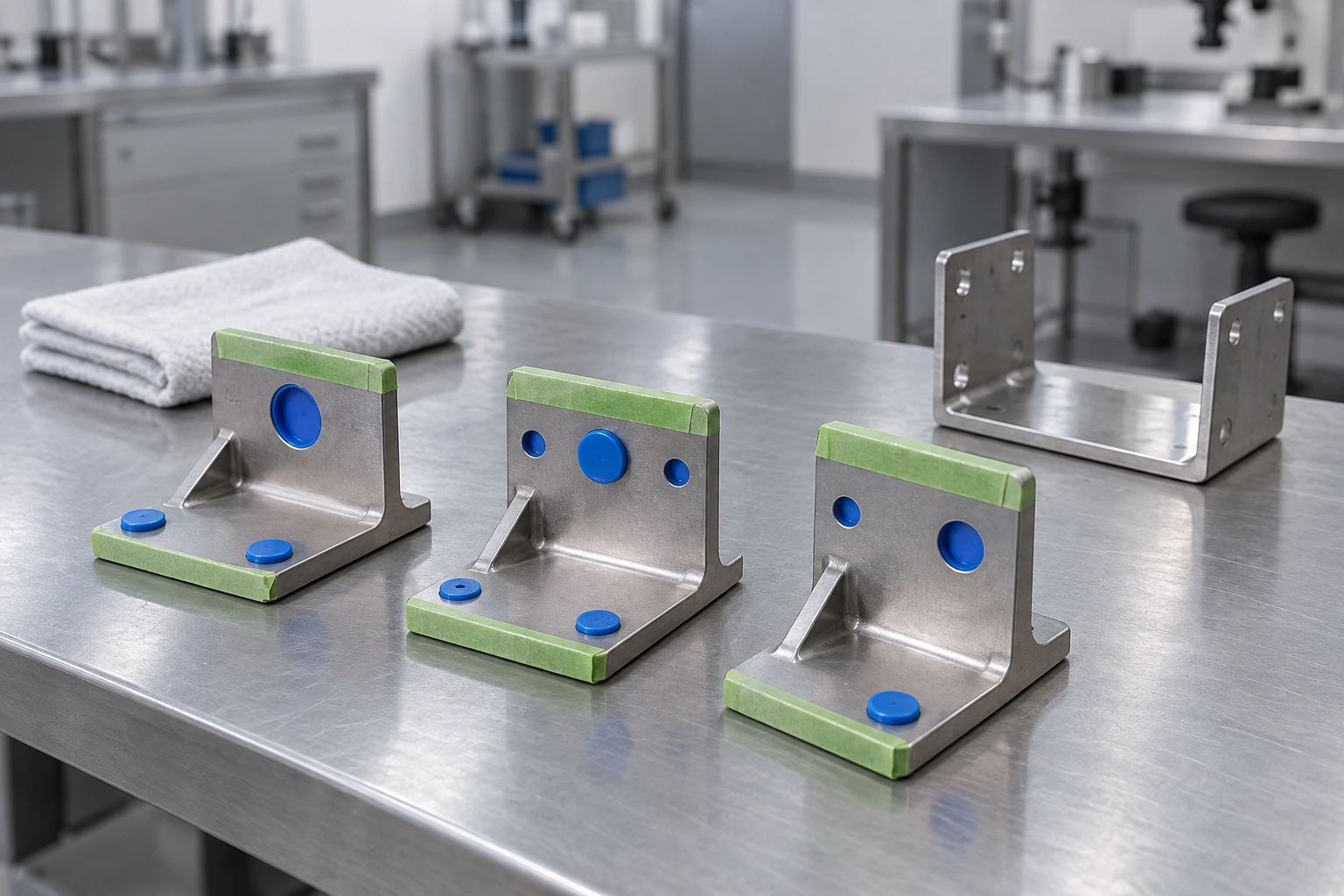
Mask holes and threads · The green tape and blue plugs keep coating off selected edges and holes. Review cleaning, thread protection and the required coating boundary.
05

Mask holes and threads

The green tape and blue plugs keep coating off selected edges and holes. Review cleaning, thread protection and the required coating boundary.

Evaluation focus
Contamination, preparation, coverage, fixtures and process repeatability.
Drying, cure & assembly checks · Match drying or baking conditions to the selected coating and actual parts, then inspect finish and assembly effects.
06

Drying, cure & assembly checks

Match drying or baking conditions to the selected coating and actual parts, then inspect finish and assembly effects.

Evaluation focus
Substrate heat limits, cure, adhesion, mating dimensions and acceptance criteria.
Coating thickness and finish review — application illustration

PROCESS ENGINEERING

Coating & inspection workflow

  1. Define parts & finish
  2. Set the coating process
  3. Evaluate trial coatings
  4. Check production records

TECHNICAL REVIEW

Thickness, adhesion & corrosion

For numerical specifications, refer to the current grade-specific TDS.

Substrate and preparation
Substrate, oil and rust condition, cleaning and surface-preparation steps.
Application and drying
Confirm the application method, equipment, dose, drying and baking for the selected material.
Thickness, finish and dimensions
Target thickness, colour, surface condition and effects on threads and mating dimensions.
Corrosion and durability testing
Align exposure, test method, duration and acceptance criteria with the specification.

Frequently asked questions

What information is needed for selection?

Share the component material and geometry, current treatment, equipment, and required finish and corrosion performance.

Are drying, baking and corrosion specifications common to all materials?

Conditions depend on the material and coating specification. Confirm them in current product documentation and through testing on actual parts.

Can I request documentation or a trial sample?

Provide the application and required quantity. We will identify the material and advise on available TDS, SDS and samples.

Related materials and ingredients

Electronic adhesives Conformal coatings Advanced materials & additives Fluorinated fluids

DOCUMENTS & SAMPLES

Documents & evaluation samples

Request the information you need for product selection and internal evaluation.
TDS

Technical properties & use guidance

Request
SDS

Safe handling & storage

Request
Evaluation sample

Try the material on your parts & process

Request

Explore application requirements

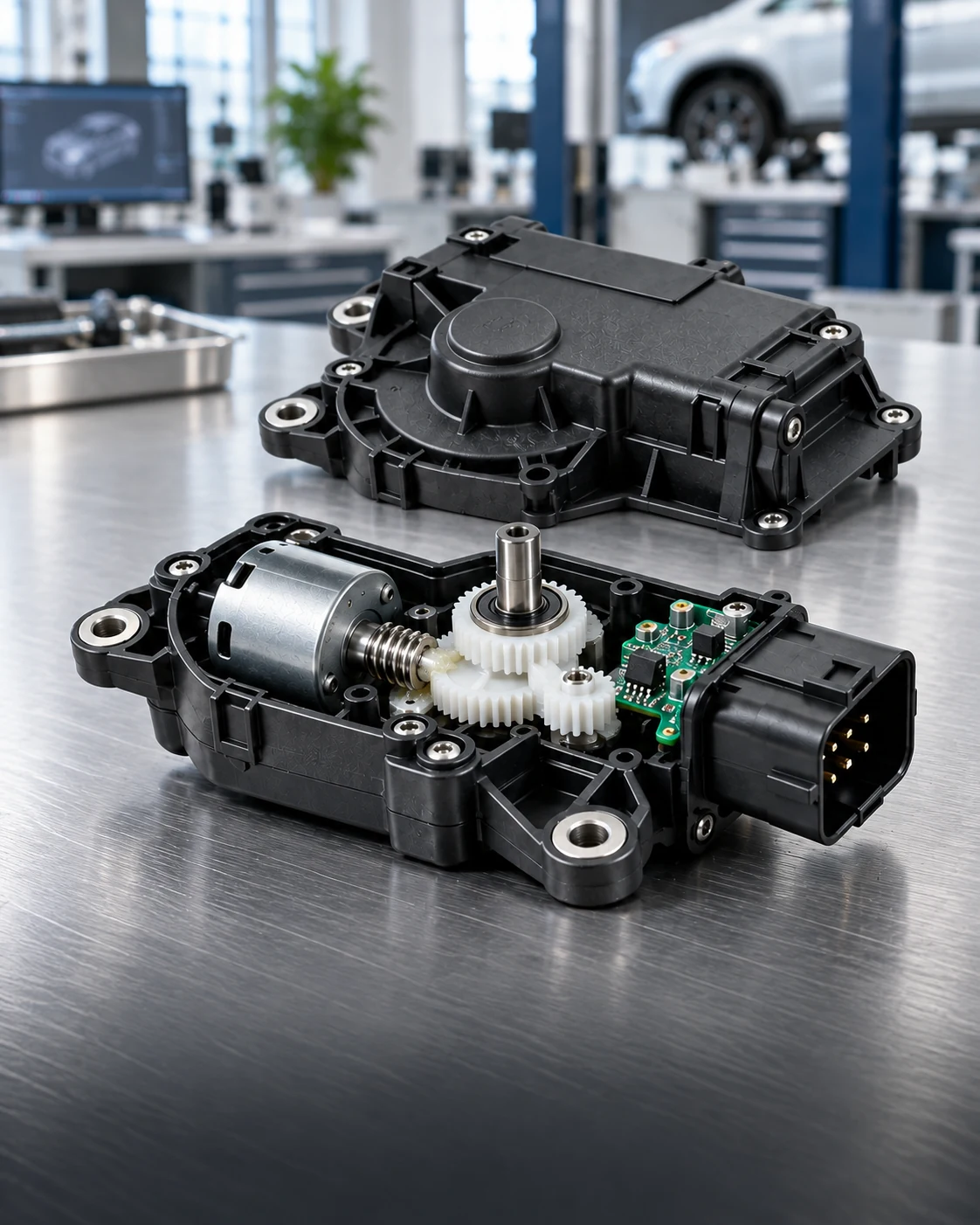
Automotive actuator with its cover open

Automotive applications

Explore automotive lubrication alongside bonding, sealing and electronic protection by component.
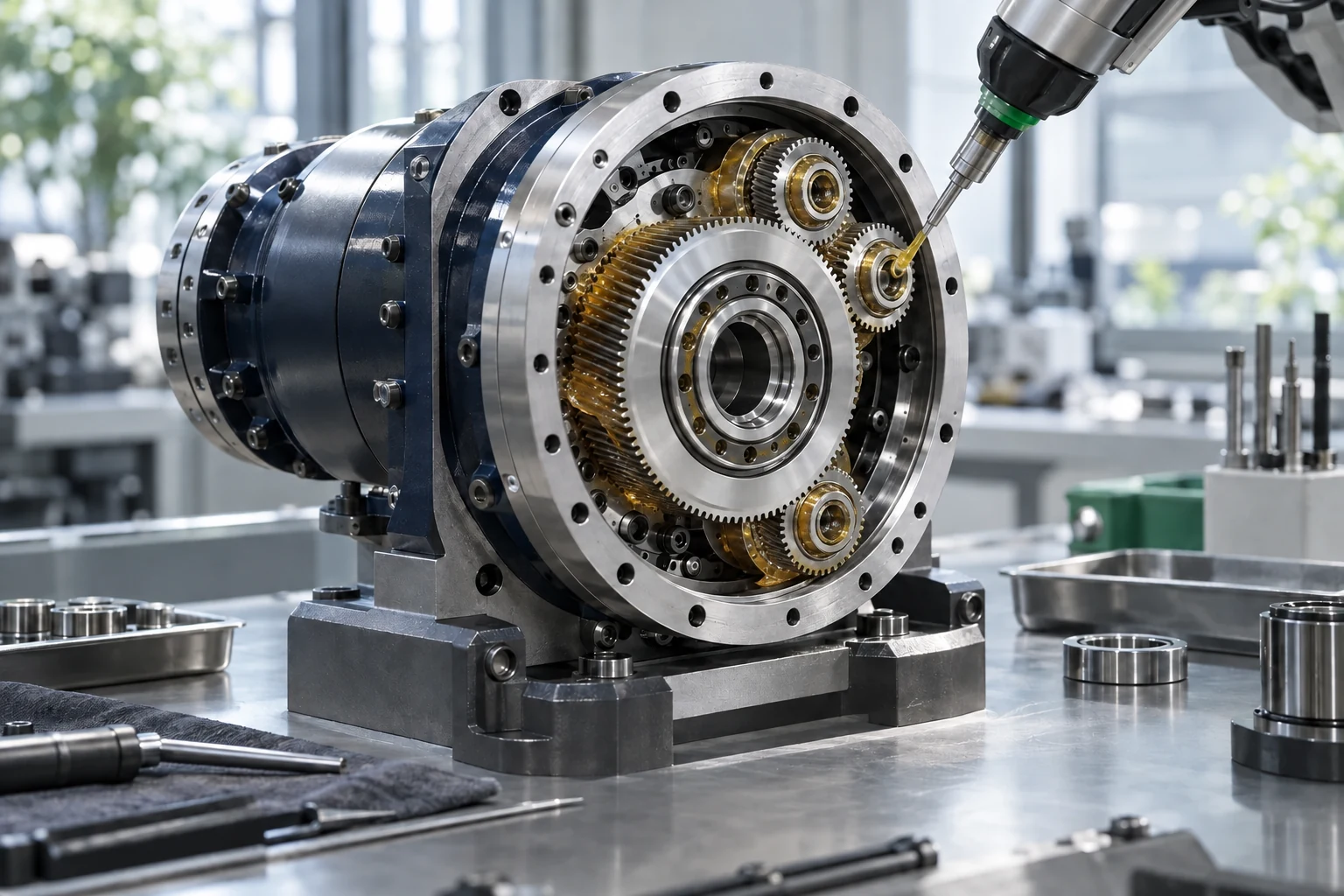
Greased industrial reducer

Industrial & robotics

Evaluate reducer and sliding lubrication by load, speed, temperature and relubrication interval.

Household-appliance illustration with a washing machine, floor washer and robot cleaner in a home environment

Appliances & housing

Address appliance drive units involving food machinery, plastic gears, quiet motion and tactile feel.

EUBO · PRIVACY

Cookies & storage settings

These choices apply to this browser. Browsing or scrolling does not give permission for optional purposes.

Essential site & enquiry features

Used for privacy preferences, enquiry continuity, unsent text and attachments, and reply status. This storage is not used for analytics or advertising.

Always on

If optional tools are added, we will ask for a new choice. Preferences are valid for up to 180 days and can be changed through Cookie settings in the footer.