
DRY-FILM / SEMI-WET LUBRICATION

Thin-film lubricants

Lubricants that form a thin film on sliding surfaces. Distinguish fully dry and semi-wet films, and confirm the treated surface condition for each grade.
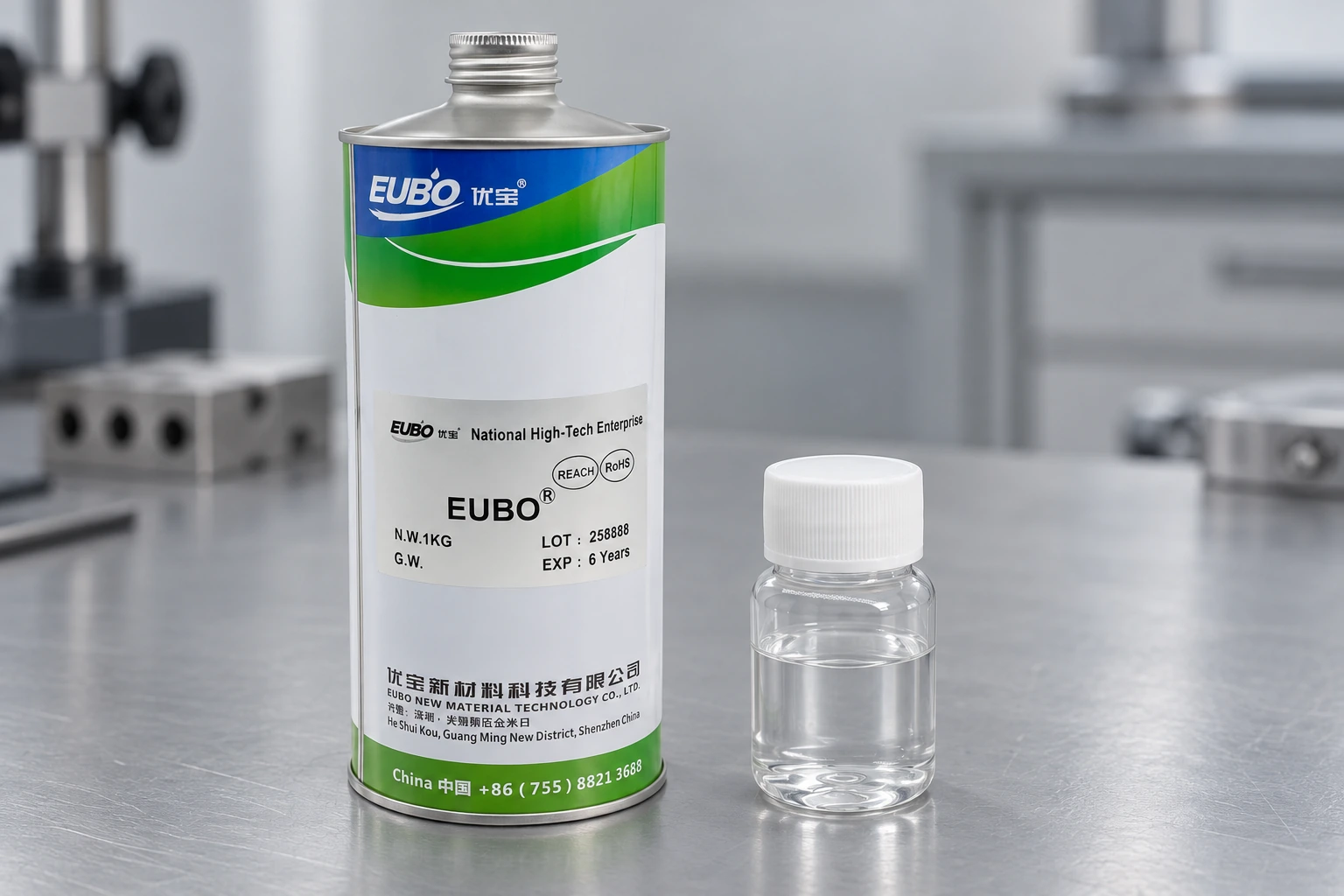
Edited illustrative scene based on EUBO film-lubricant packaging and sample bottle

Material features

  • Thin-film sliding lubrication
  • Solid lubricant components
  • Grade-specific film condition

Selection criteria

  1. 01Contact materials, clearance and surface condition
  2. 02Dose, film thickness and drying conditions
  3. 03Friction, wear, residue and migration
View selection guide

PRODUCT LINEUP

Product lineup

Explore lubricants that form a thin lubricating film at sliding interfaces. Review grades by application, then confirm film condition, application, drying and material compatibility in the exact-grade TDS and SDS.

Film lubricant grades

Film lubricant grades
Grade / productMaterial typeApplications to review
LF1230Enquire Thin-film lubricantSliding interfaces selected around contact materials and motion conditions
LF1220Enquire Film lubricant for small sliding partsSliding surfaces in small mechanisms and plastic components
LF1240Enquire Thin-film lubricantSliding parts requiring review of friction, coverage and treated condition
LF1210Enquire Anti-squeak thin-film lubricantSqueak and motion-feel evaluation at sliding contacts

Quote the grade or product name in your enquiry. Composition, numerical properties and use conditions are provided in current product-specific TDS and SDS.

Lubricants for your application

EUBO APPLICATION RANGE

Precision film lubricants

Thin-film lubrication for internal optical mechanisms and small sliding parts. Confirm the surface condition after drying for each grade.

Selection inputs
Substrates, dose, film thickness, surface condition after drying, friction and migration

EUBO APPLICATION RANGE

Anti-squeak film lubricants

Film lubricants for low-load interior interfaces affected by stick-slip noise. Review substrate compatibility, film formation and durability.

Selection inputs
Interior materials, paint and leather, film formation, thickness, wear and noise after cycling

EUBO APPLICATION RANGE

Semi-wet film lubricants

Semi-wet film lubrication for internal optical mechanisms and small plastic sliding parts. Review the treated surface and repeated operation.

Selection inputs
Substrates, dose, drying, treated surface condition and repeated sliding

Confirm composition, temperature range, viscosity or consistency, material compatibility and required registrations for the exact grade.

PRINTERS & OFFICE EQUIPMENT

Lubrication for printers & copiers

From heated fuser assemblies to plastic gears and sliding guides, select the lubricant for the contact inside the mechanism.

PFPE / FLUORINATED GREASE

Fuser assemblies & bearings

Evaluate fuser roller bearings and specified sliding interfaces in the fixing assembly. Match the grade and dose to contact materials, local temperature and load.

Explore fluorinated greases
DRY-FILM LUBRICANT

Plastic gears, guides & sliders

A thin lubricating film for drive gears, guides and sliding parts in paper-feed mechanisms. Review plastic compatibility, operating noise, film endurance and paper or toner dust.

Explore dry-film lubricants

Define lubrication points separately from paper-gripping roller surfaces, and check lubricant migration toward paper, toner and optical surfaces in the assembled printer.

APPLICATION & SELECTION

Explore the parts and processes.

Application examples for evaluation on actual parts. Match operating conditions with the exact-grade documentation.
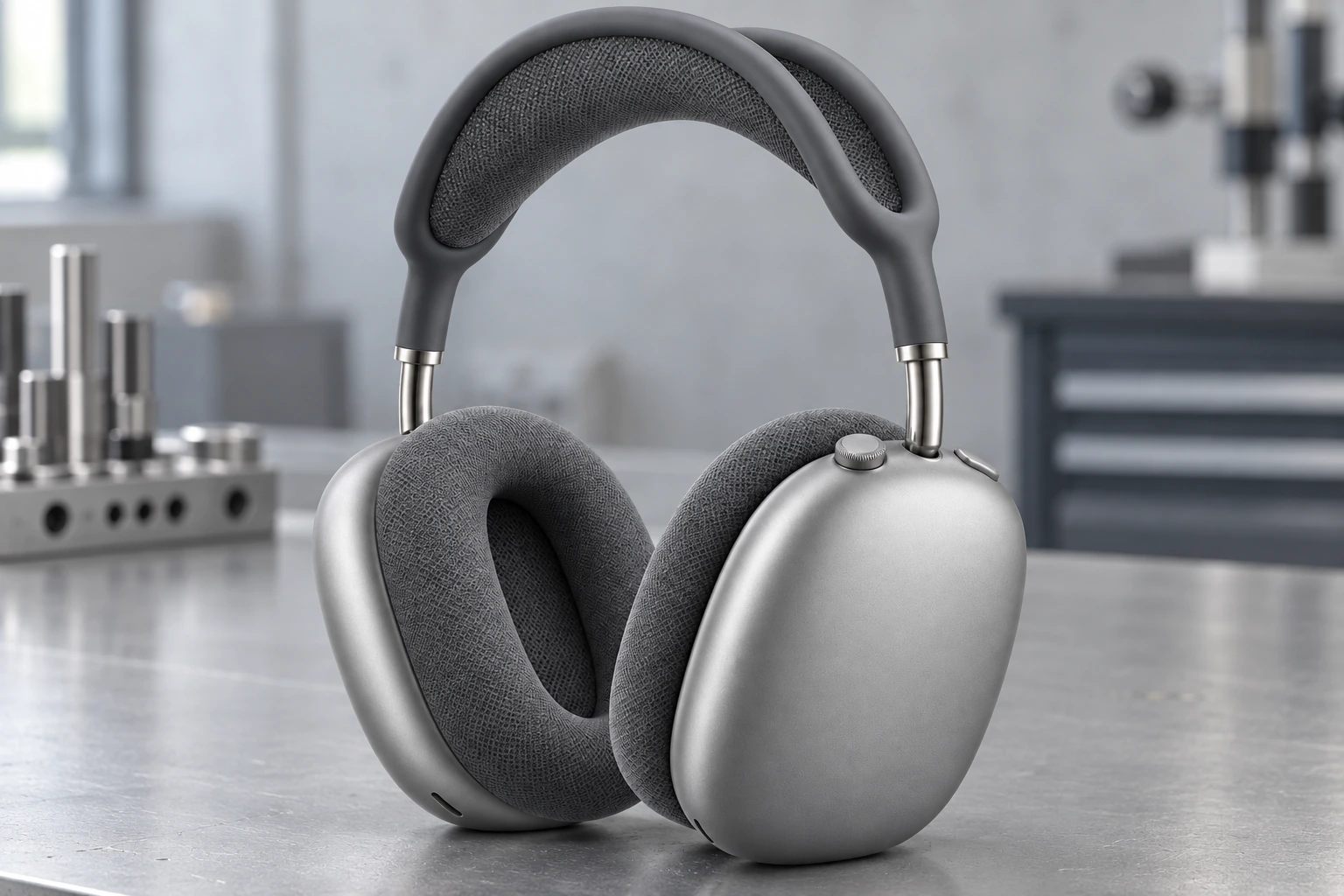
Headphone sliders & pivots · Review headband sliding guides and ear-cup pivots for adjustment feel and squeak.
01

Headphone sliders & pivots

Review headband sliding guides and ear-cup pivots for adjustment feel and squeak.

Evaluation focus
Polymer grade, carrier compatibility, initial movement, noise and cycling.
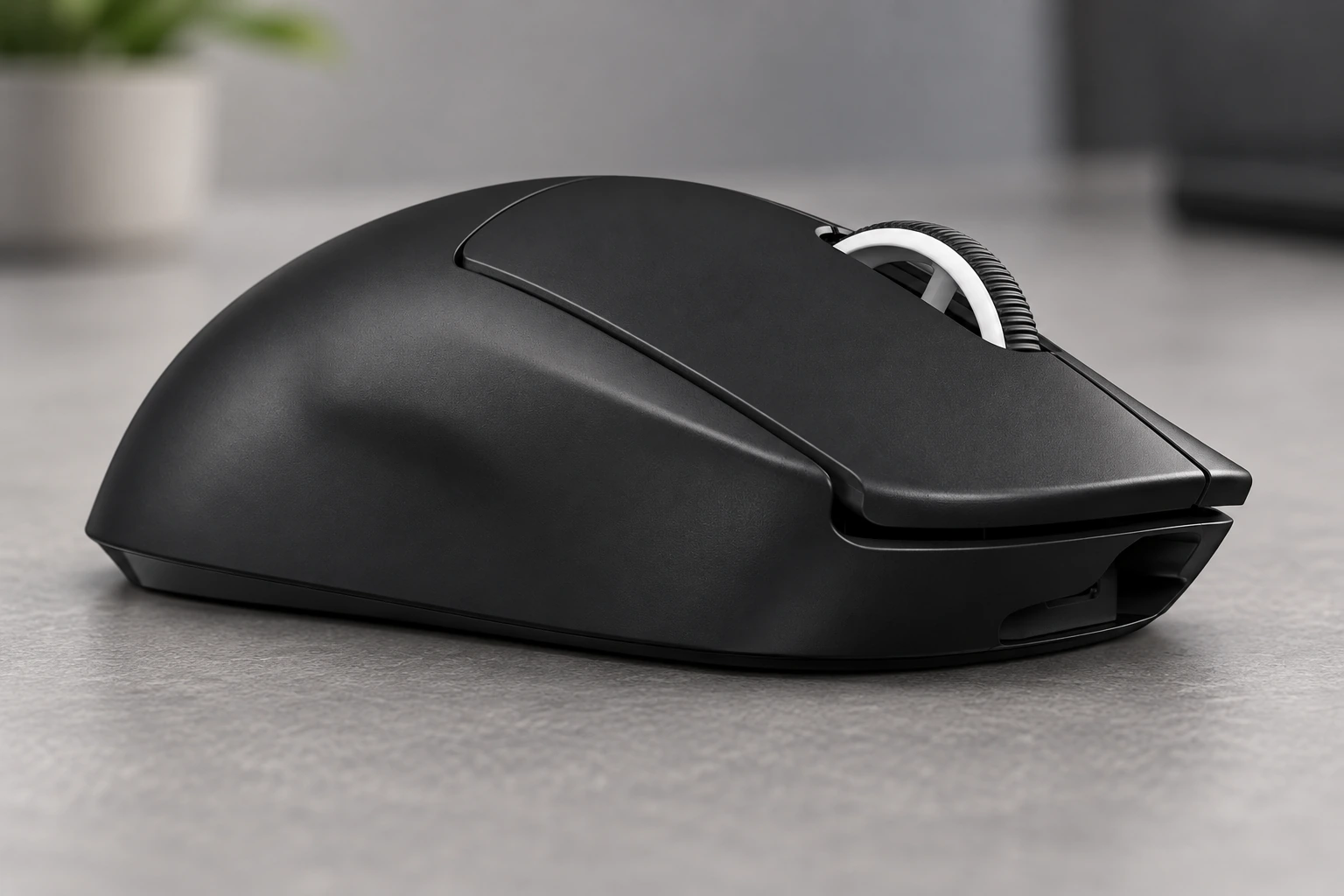
Gaming-mouse moving parts · Evaluate plastic button contacts and wheel supports separately, with sensors and electrical contacts excluded from the application area.
02

Gaming-mouse moving parts

Evaluate plastic button contacts and wheel supports separately, with sensors and electrical contacts excluded from the application area.

Evaluation focus
Click force, return, materials, residue and migration.
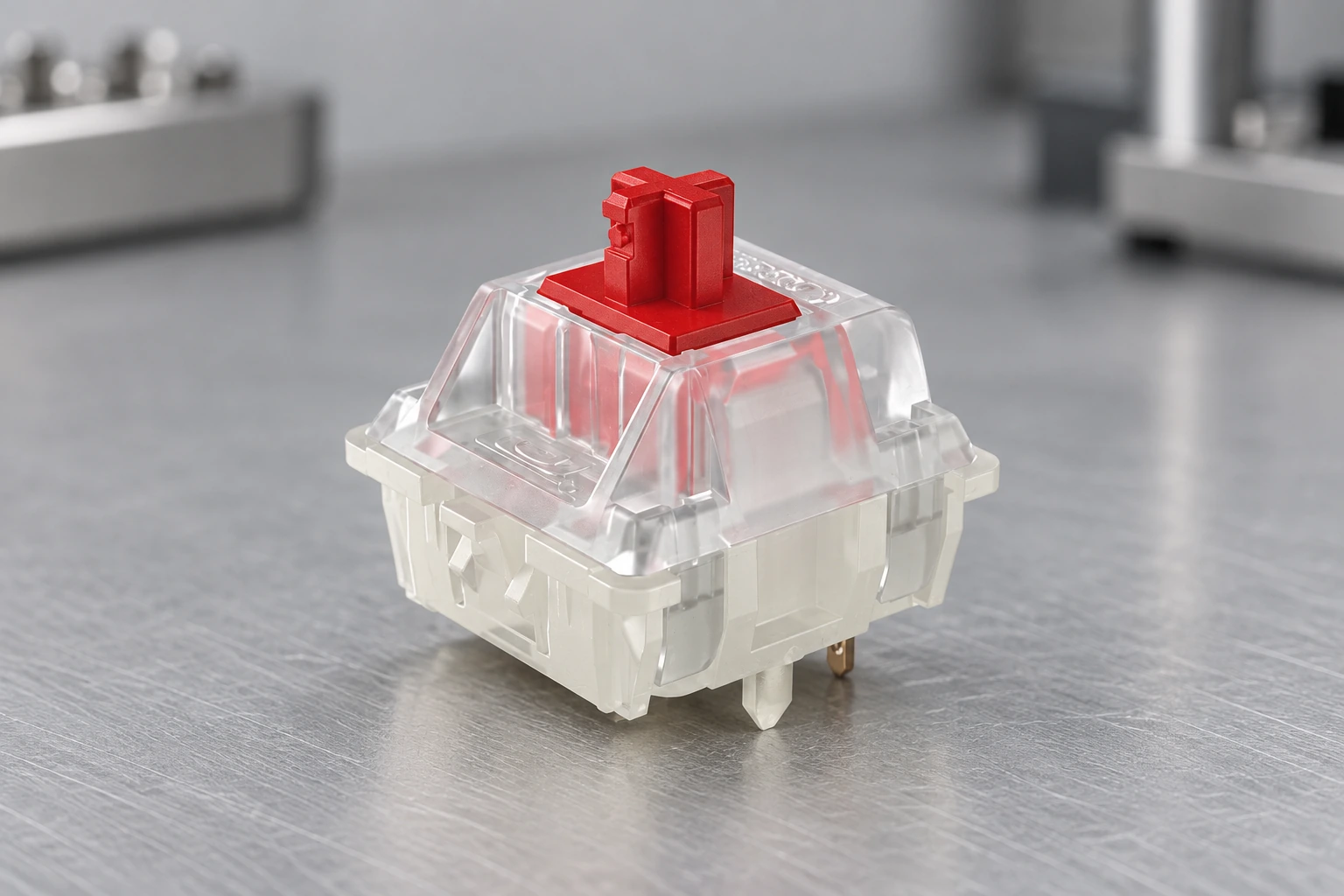
Keyboard stems & stabilizers · Compare friction, return and feel at stem/housing guides and stabilizer contacts.
03

Keyboard stems & stabilizers

Compare friction, return and feel at stem/housing guides and stabilizer contacts.

Evaluation focus
Switch construction, dose, excluded contacts, actuation force and cycling.
More evaluation examples (3)
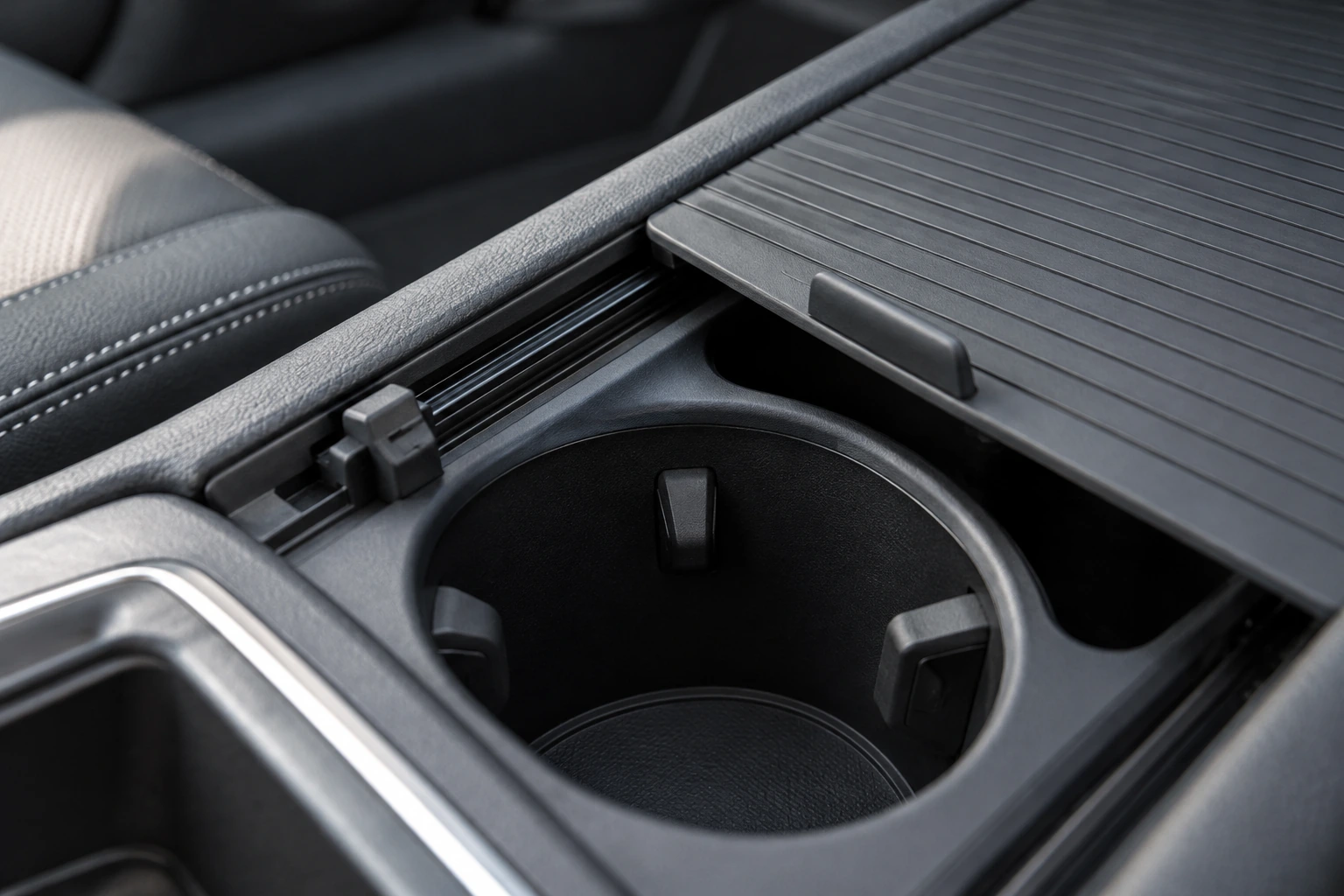
Moulded automotive controls · Review cup holders, air-vent adjusters and interior plastic sliding contacts for sticking and squeak.
04

Moulded automotive controls

Review cup holders, air-vent adjusters and interior plastic sliding contacts for sticking and squeak.

Evaluation focus
Actual ABS, PC/ABS or POM grade, temperature, treated appearance and friction.
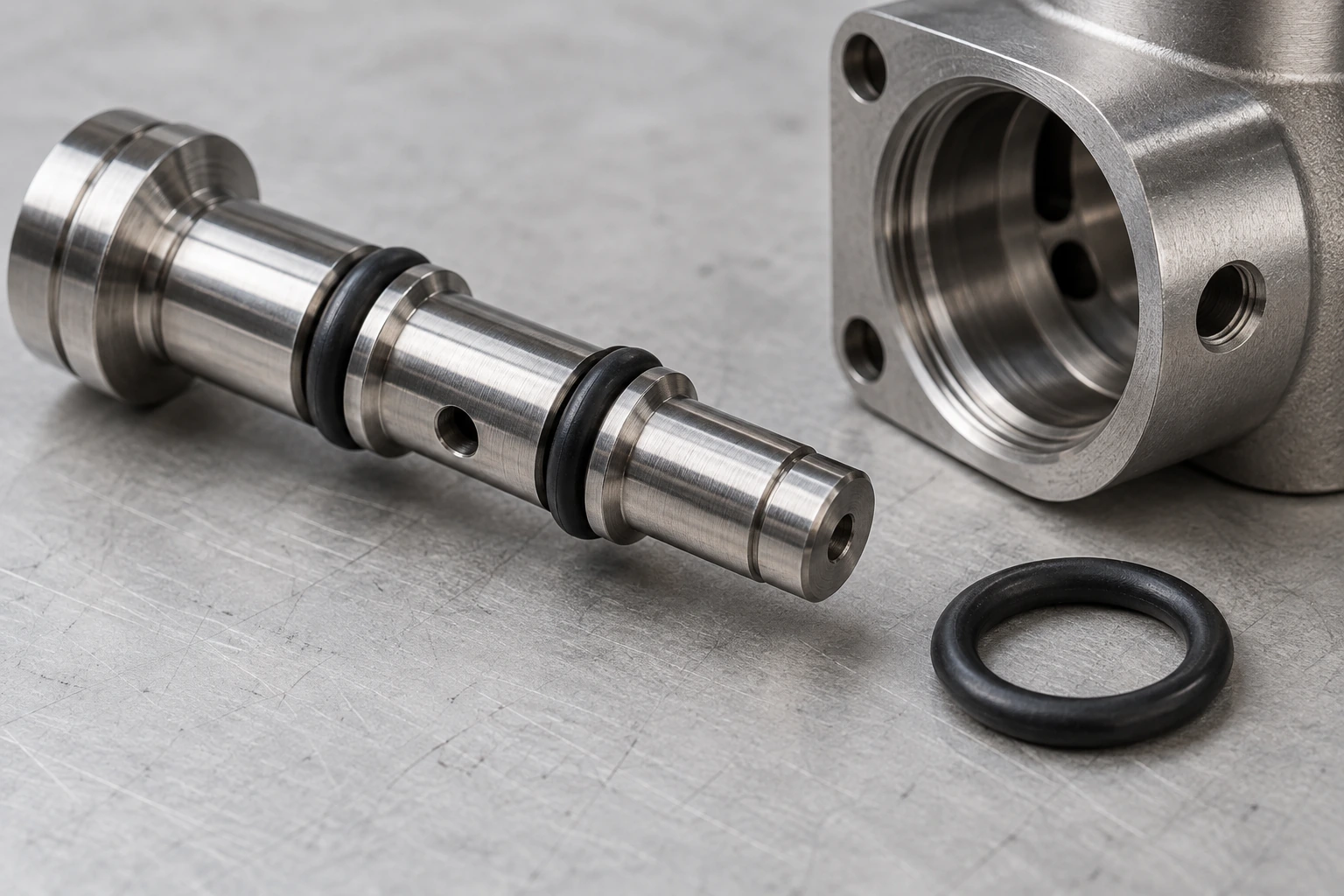
O-ring installation · Evaluate a coating for insertion friction, twisting and surface damage against the actual elastomer and contacting fluid.
05

O-ring installation

Evaluate a coating for insertion friction, twisting and surface damage against the actual elastomer and contacting fluid.

Evaluation focus
Elastomer, film adhesion, insertion force, sealing and fluid compatibility.
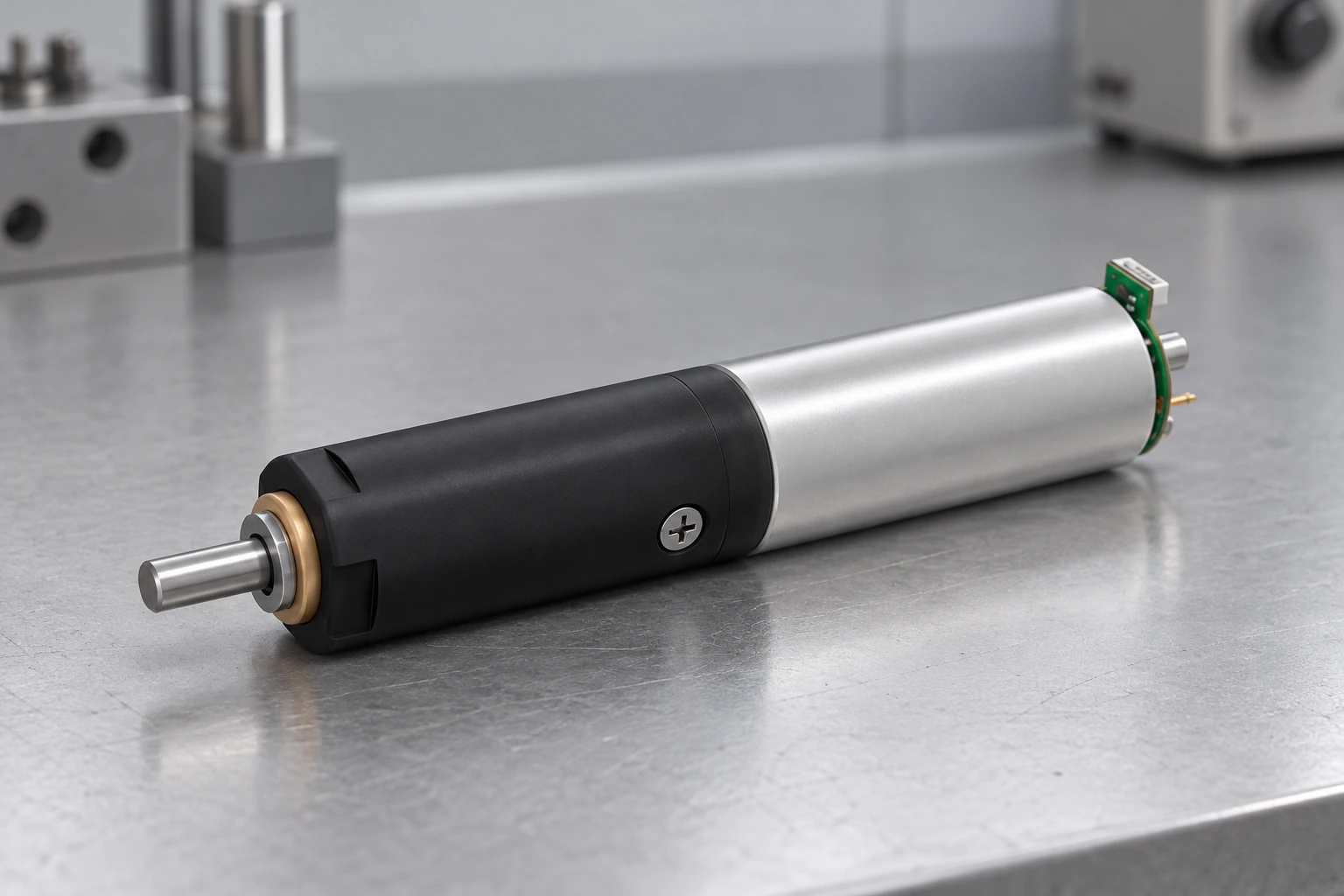
Miniature optical drive guides · Evaluate guides in extending lenses and internal mechanisms for actuation drag while controlling migration toward optical surfaces.
06

Miniature optical drive guides

Evaluate guides in extending lenses and internal mechanisms for actuation drag while controlling migration toward optical surfaces.

Evaluation focus
Clearance, migration, particles and treated film condition.
Edited application illustration of headphone sliders and pivots. The treated surface condition varies by lubricant grade.

PROCESS ENGINEERING

Clean, apply, dry and test

  1. Inspect clean surfaces
  2. Set method & dose
  3. Check drying & residue
  4. Test friction & wear

TECHNICAL REVIEW

Film condition & friction

For numerical specifications, refer to the current grade-specific TDS.

Solid lubricant
Confirm lubricant components, composition and concentration for the exact grade.
Treated surface
Evaluate dry versus slightly wet finish, residue and surface feel.
Film and sliding behaviour
Compare film thickness, coverage, actuation force, wear and particle transfer.
Process and compatibility
Match solvent effects, drying conditions and application method to part materials.

Frequently asked questions

How does this differ from grease or a cleaning solvent?

These products lubricate mechanisms through a thin film left at the sliding surface. Greases require review of fill quantity and retention; cleaning solvents are assessed for contaminant removal and residues. For film lubricants, confirm treated film condition, friction and motion for each grade.

Do all grades leave a completely dry film?

The finish depends on the grade, including dry and slightly wet films. For LF grades, confirm the required surface condition, application and drying in the current grade-specific TDS and on actual parts.

Related materials and ingredients

Specialty lubricants PFPE & fluorinated greases Functional materials PFAS-free materials

DOCUMENTS & SAMPLES

Documents & evaluation samples

Request the information you need for product selection and internal evaluation.
TDS

Technical properties & use guidance

Request
SDS

Safe handling & storage

Request
Evaluation sample

Try the material on your parts & process

Request

Explore application requirements

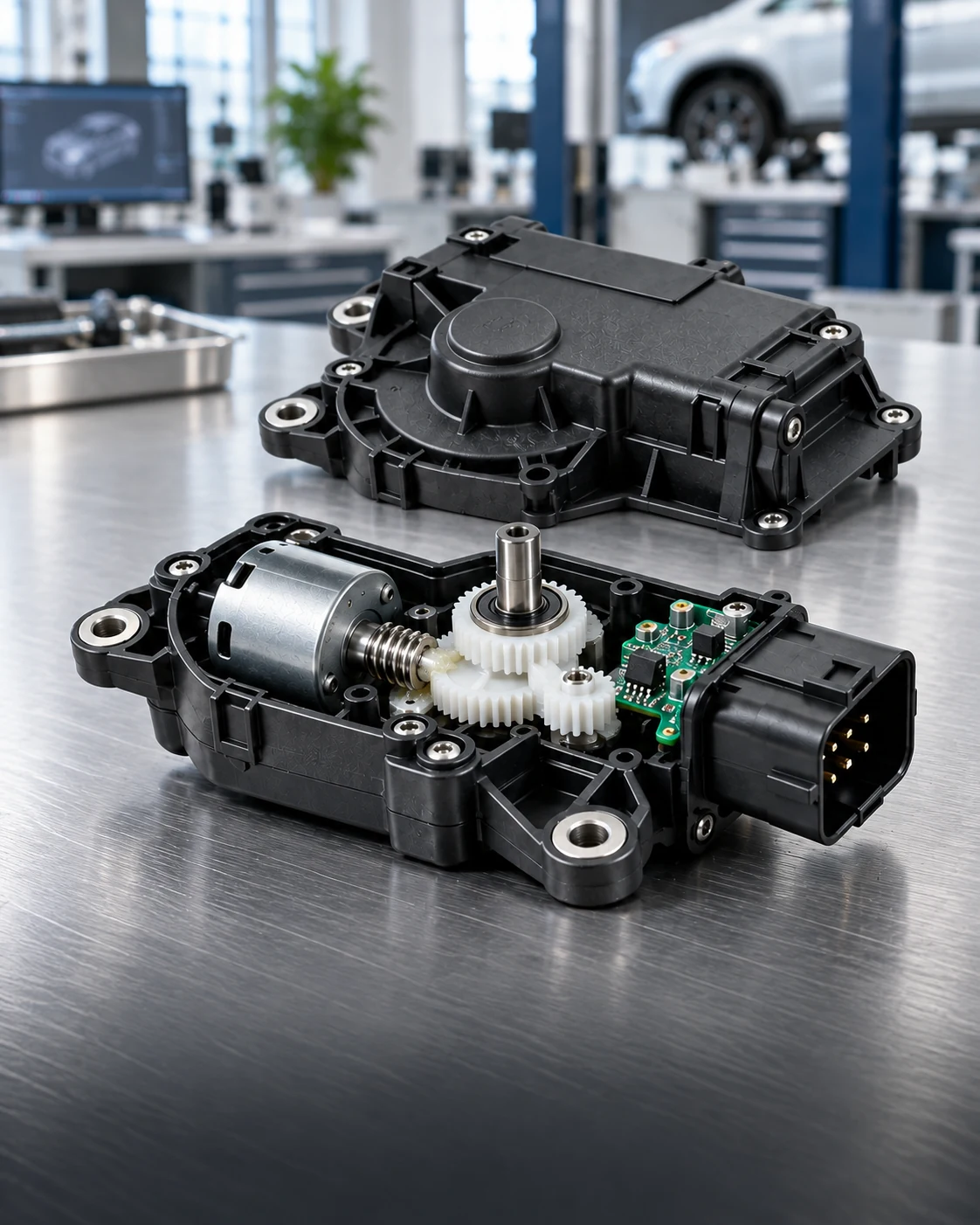
Automotive actuator with its cover open

Automotive applications

Explore automotive lubrication alongside bonding, sealing and electronic protection by component.
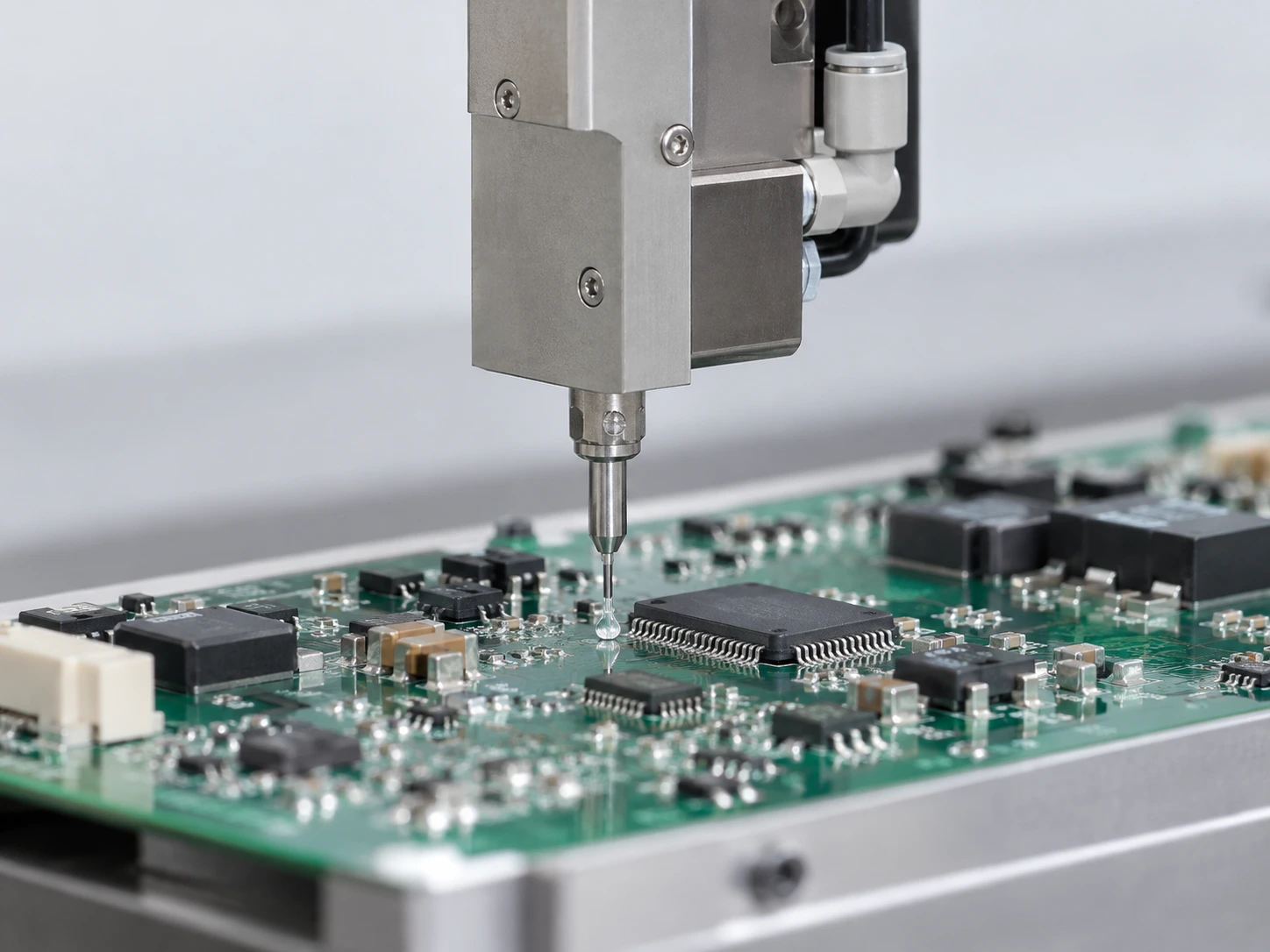
Precision dispensing for electronics

Electronics & semiconductor

Organize bonding, sealing, thermal transfer and board protection around process and reliability needs.
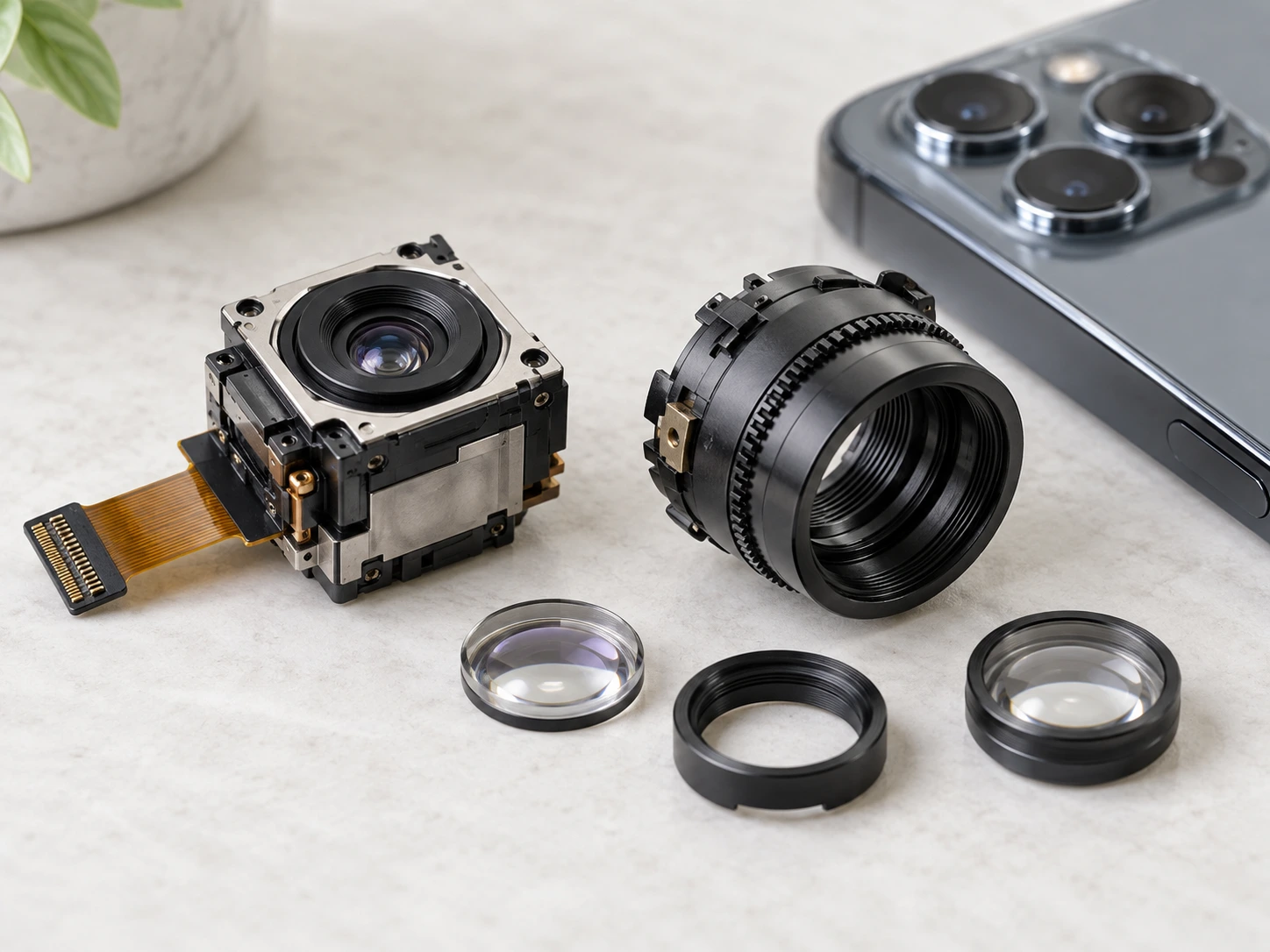
Application illustration of lenses and compact optical modules

Precision & optical

Evaluate materials for micro torque, cleanliness, low migration and controlled feel.

EUBO · PRIVACY

Cookies & storage settings

These choices apply to this browser. Browsing or scrolling does not give permission for optional purposes.

Essential site & enquiry features

Used for privacy preferences, enquiry continuity, unsent text and attachments, and reply status. This storage is not used for analytics or advertising.

Always on

If optional tools are added, we will ask for a new choice. Preferences are valid for up to 180 days and can be changed through Cookie settings in the footer.