
01
PUR hot-melt adhesives
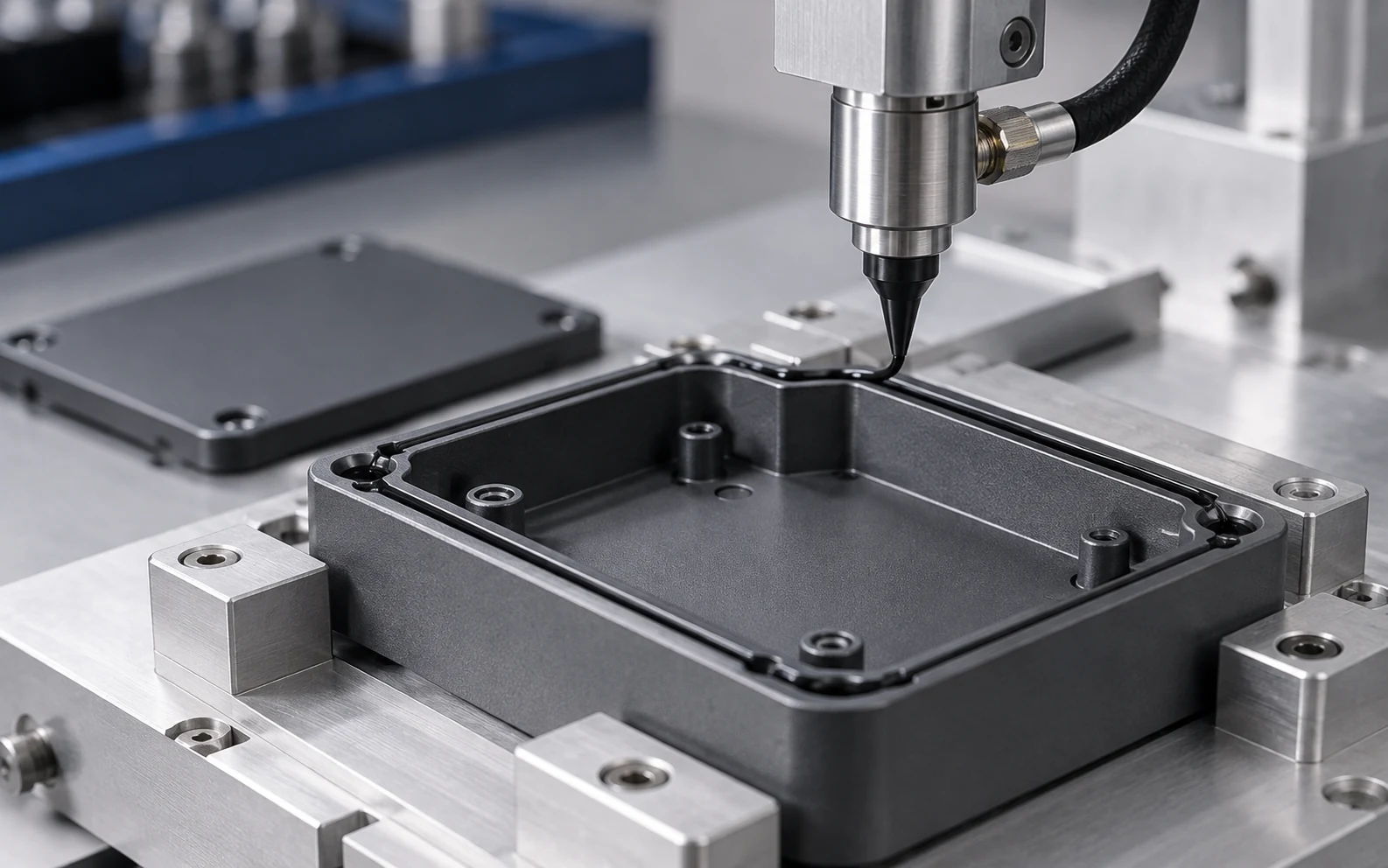
Review heated dispensing and moisture cure, including substrates, dispensing temperature, assembly time and storage.
Enquire about this seriesBONDING / SEALING / FIXING
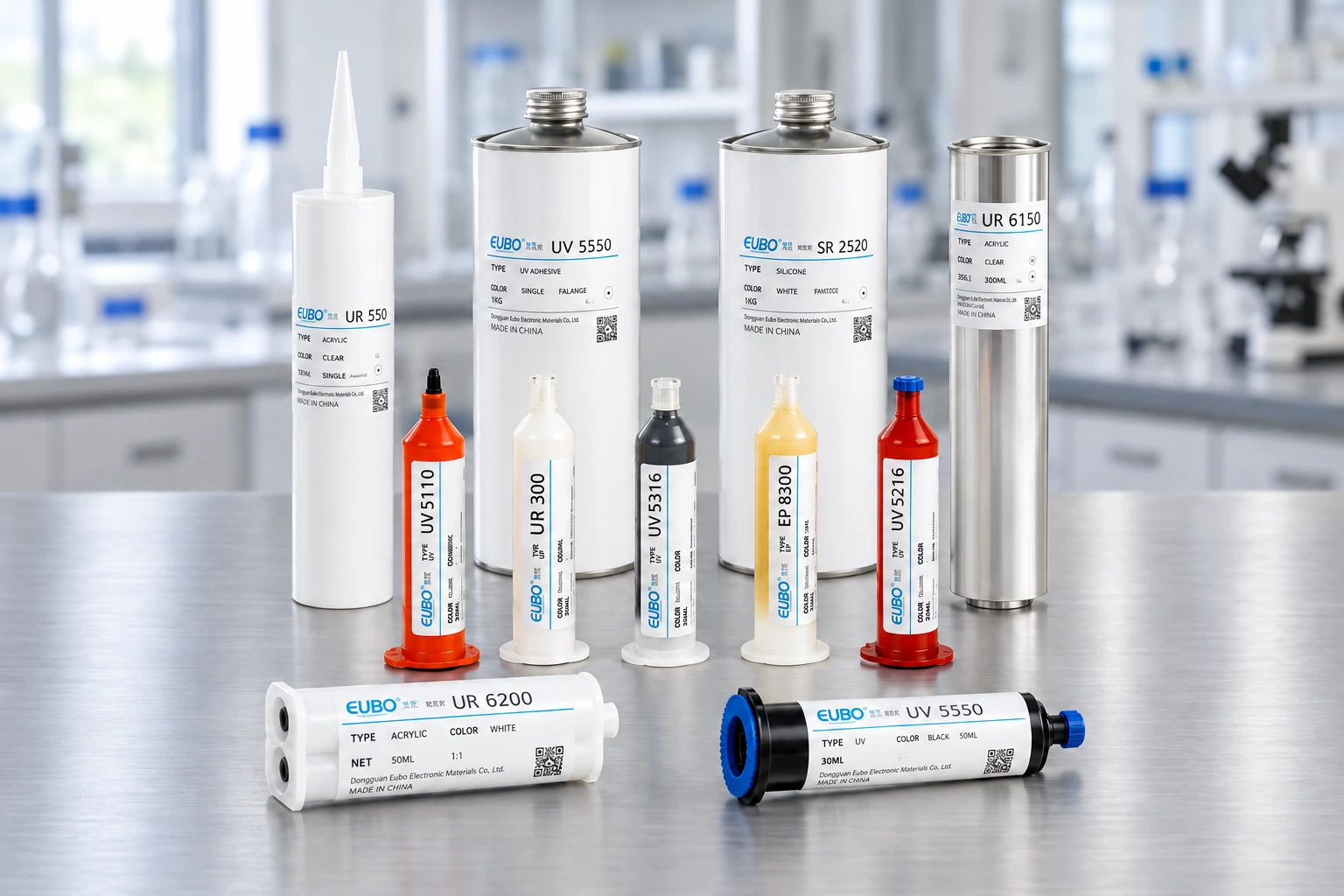
Materials for bonding, fixing and sealing electronic parts, with UV, heat and moisture cure options to review.
BONDING & PROTECTION
PRODUCT SERIES
Choose the chemistry and cure process. Dual-cure combinations are confirmed for each grade.
Review heated dispensing and moisture cure, including substrates, dispensing temperature, assembly time and storage.
Enquire about this series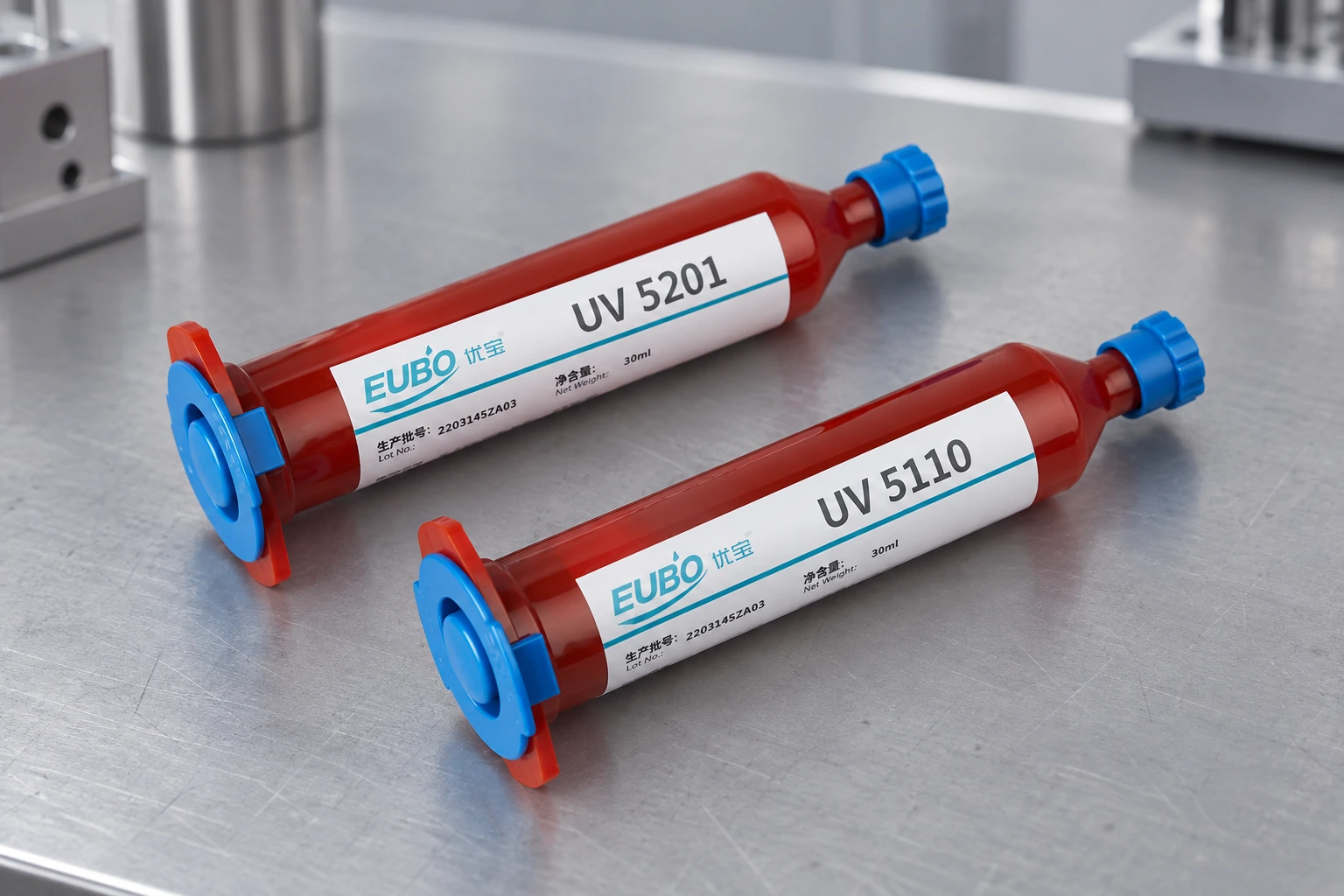
Review illuminated and shadowed regions, then align the grade-specific thermal or moisture cure process.
Enquire about this series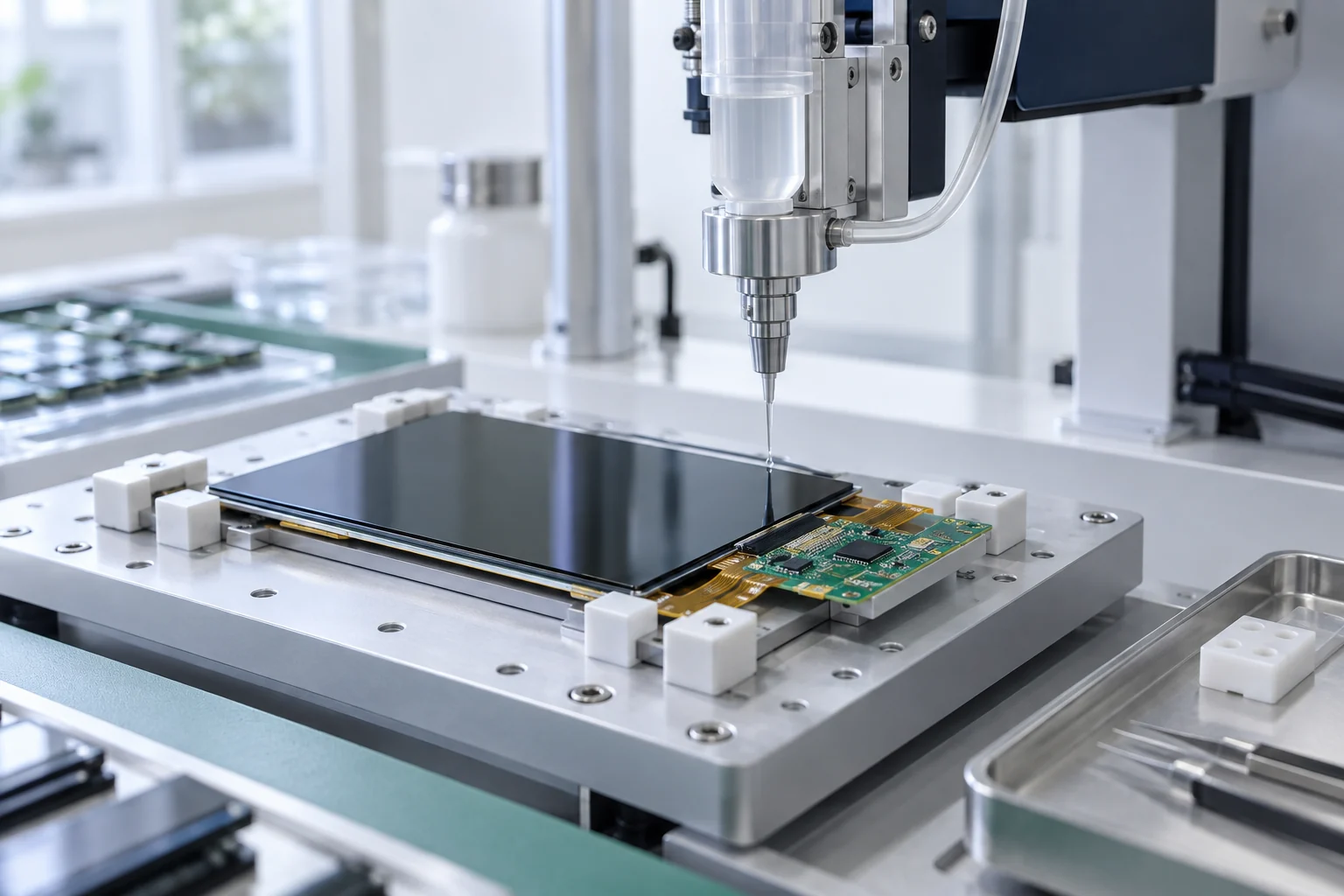
Review electronic fixing and encapsulation against actual parts, dot geometry, cure and downstream processes.
Enquire about this series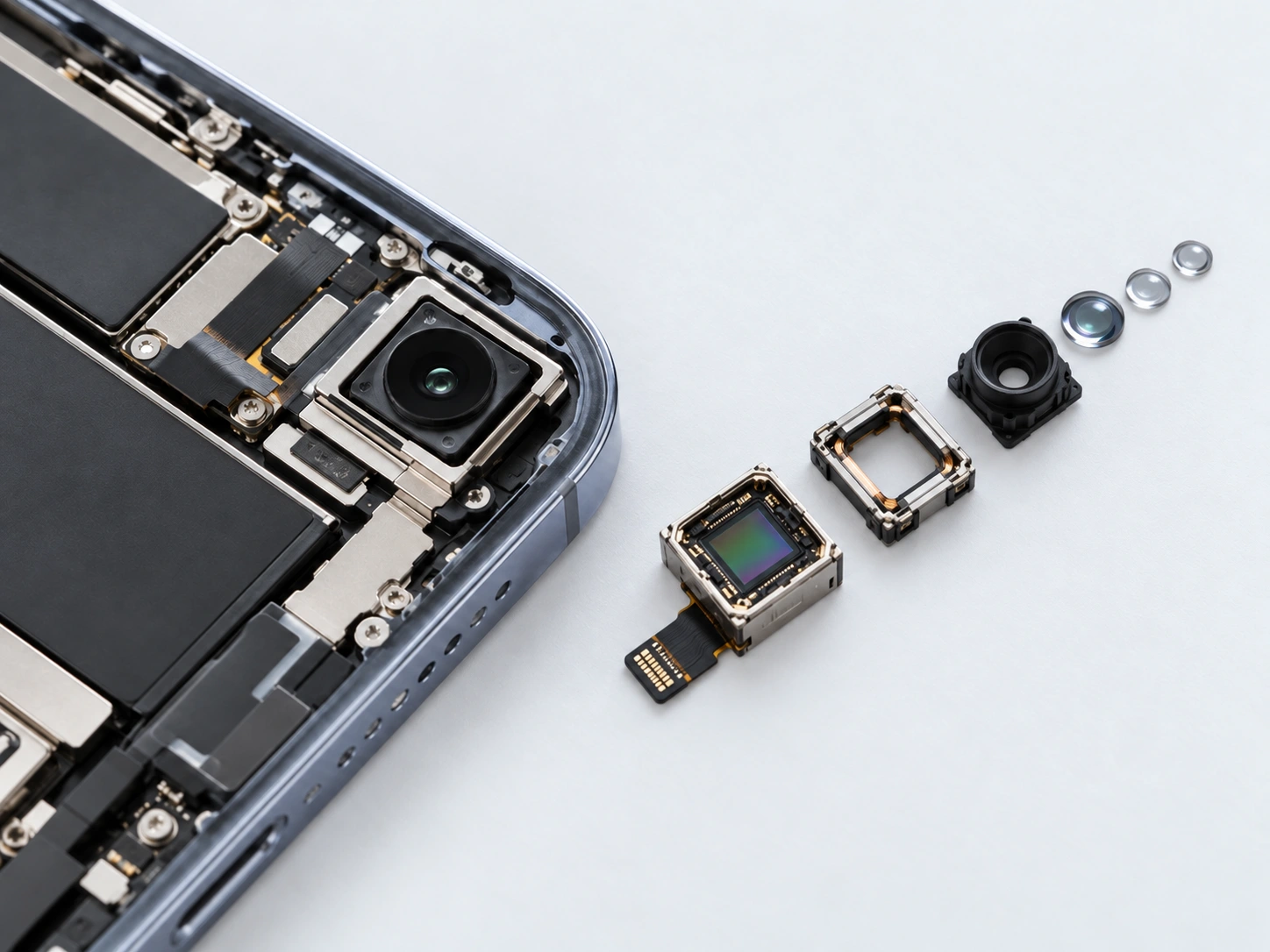
Assembly-bonding candidates to review by substrates, gap, working time and joint requirements.
Enquire about this series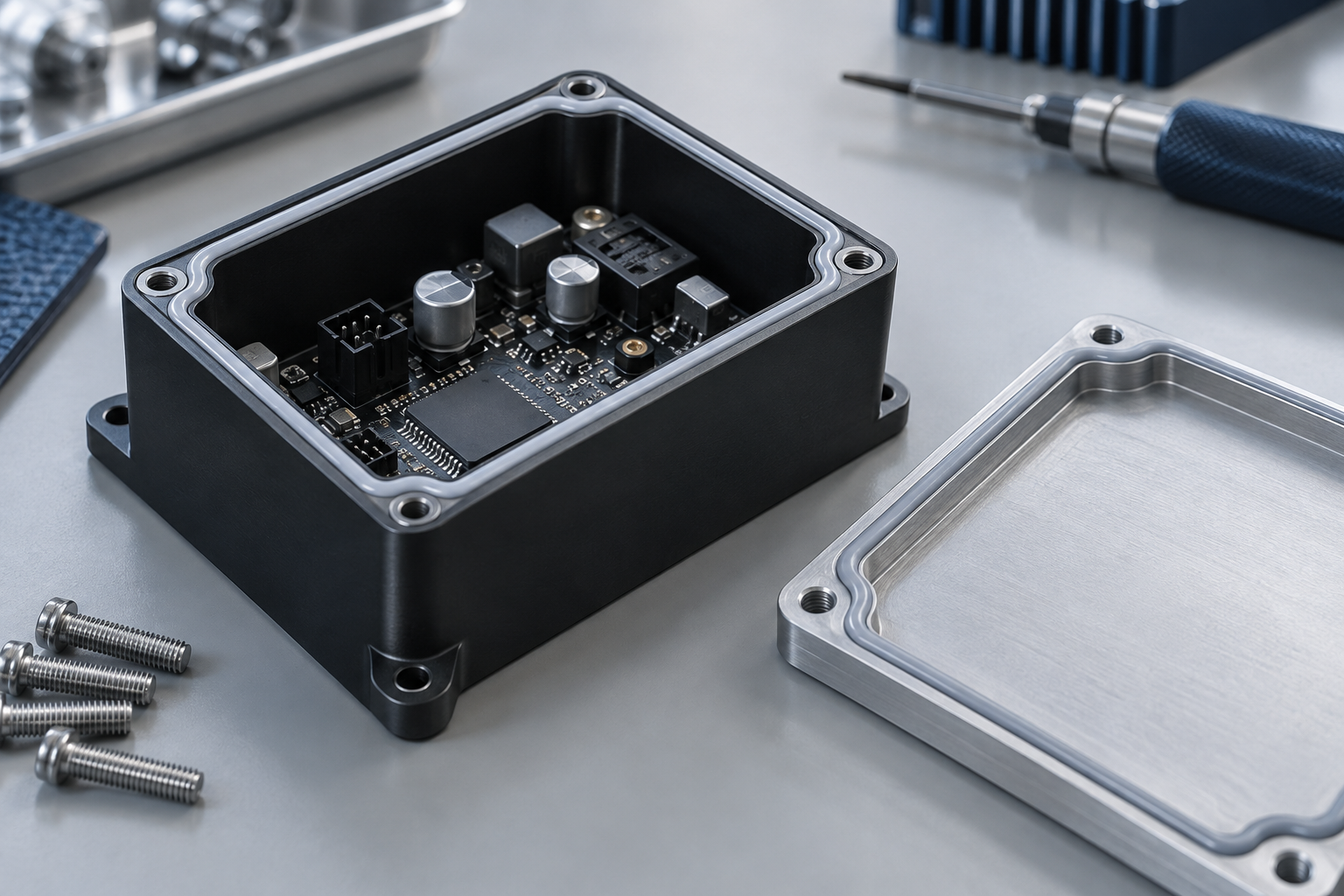
Review electronic bonding and sealing by mixing, cure, joint geometry and effects on nearby materials.
Enquire about this series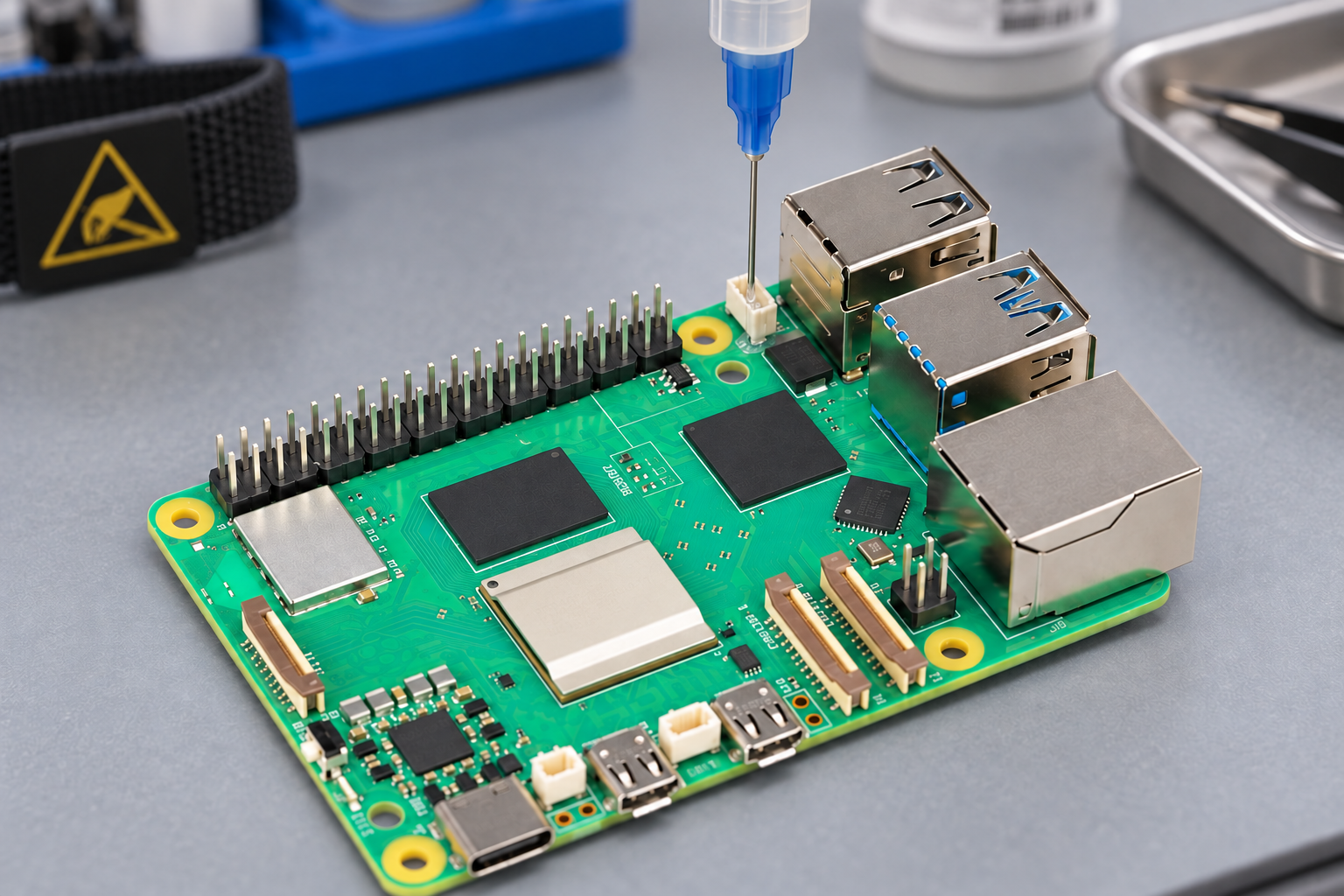
UV-curing adhesives for fast positioning and fixing of components on PCBA. Review dispensing locations, UV access, cure conditions and adhesion to the actual materials.
Enquire about this series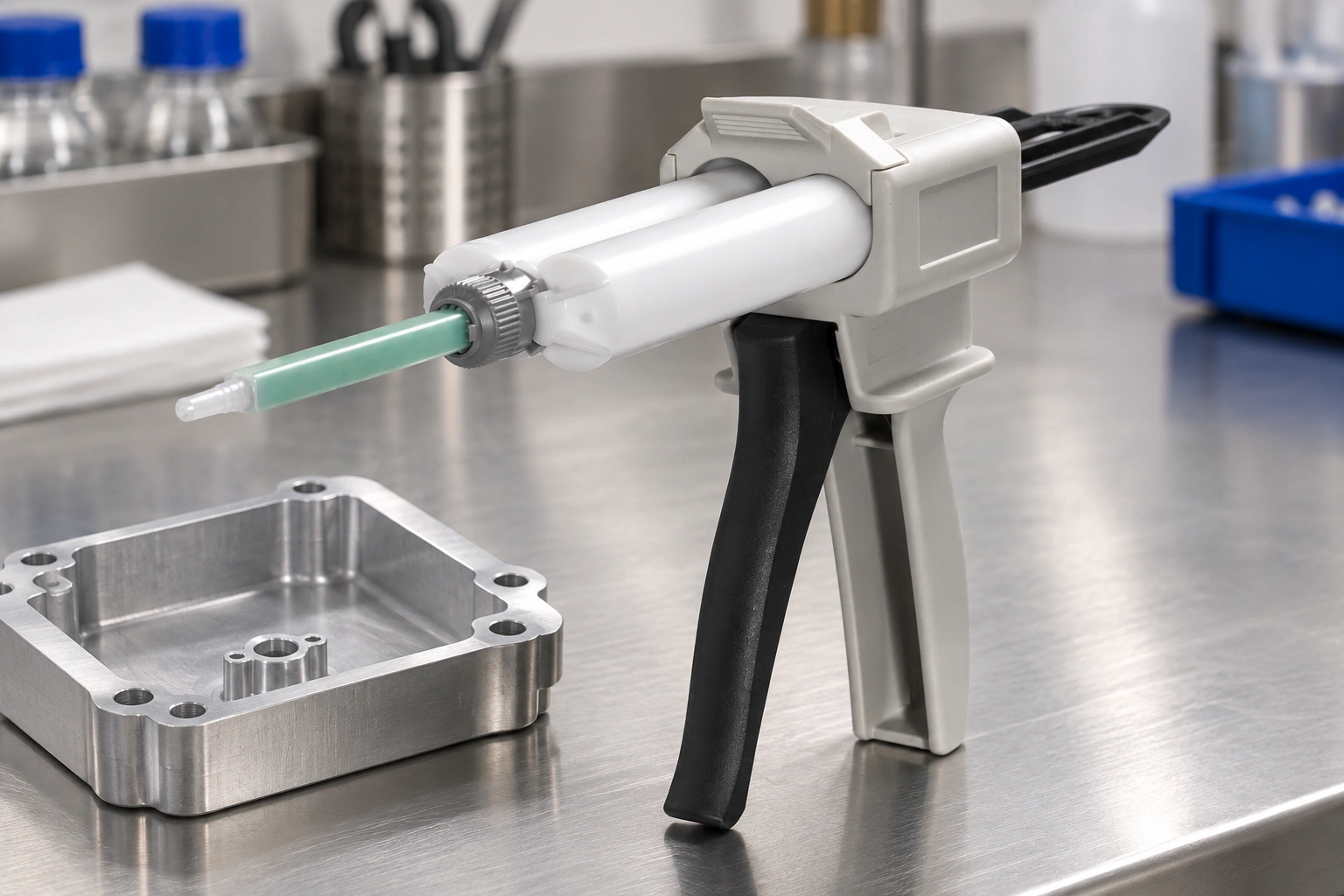
Review bonding or sealing by mixing ratio, bead geometry, cure, thermal and mechanical conditions.
Enquire about this series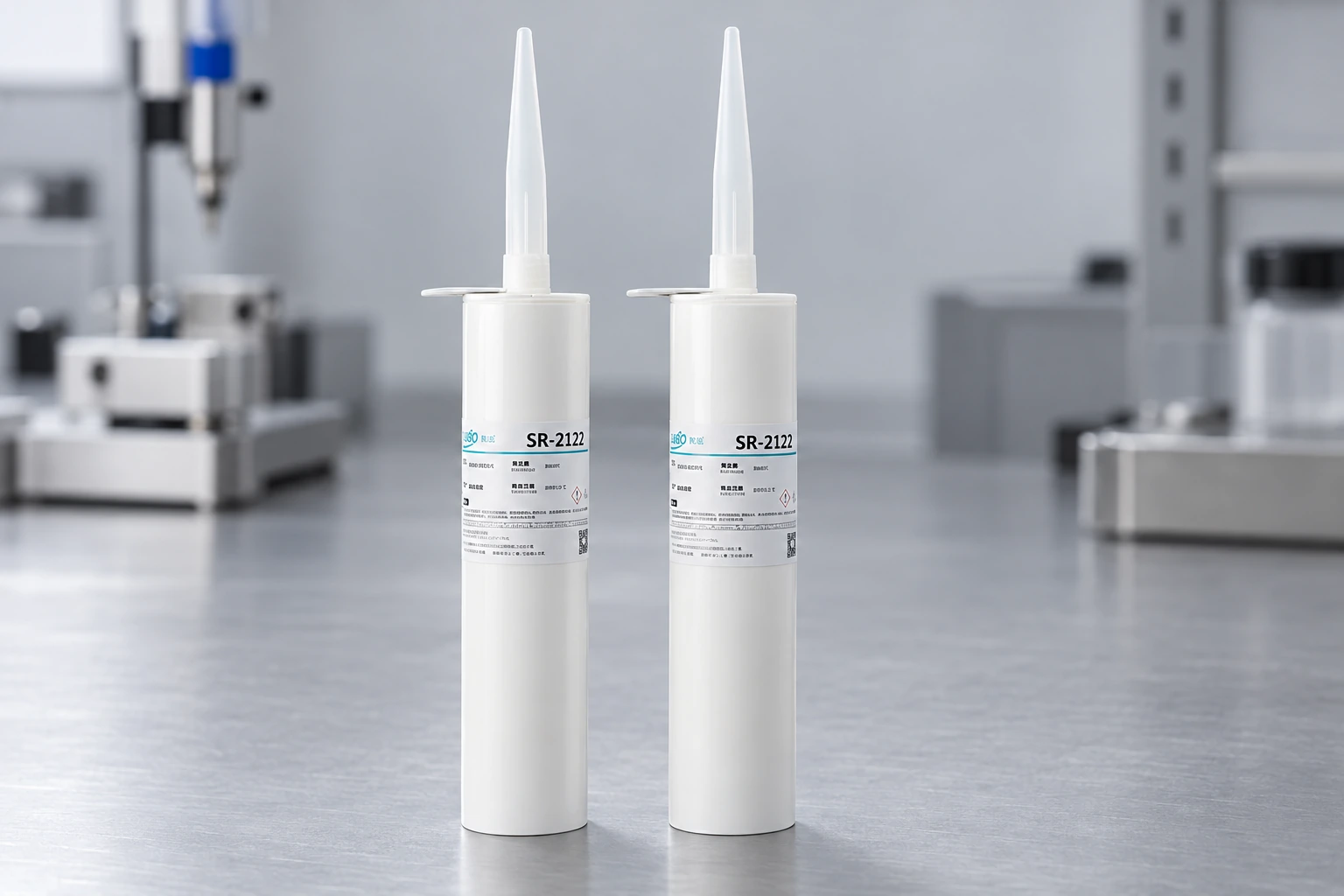
Thermal silicone adhesives for heat transfer and bonding. Review the exact grade, bond thickness and cure conditions.
Enquire about this series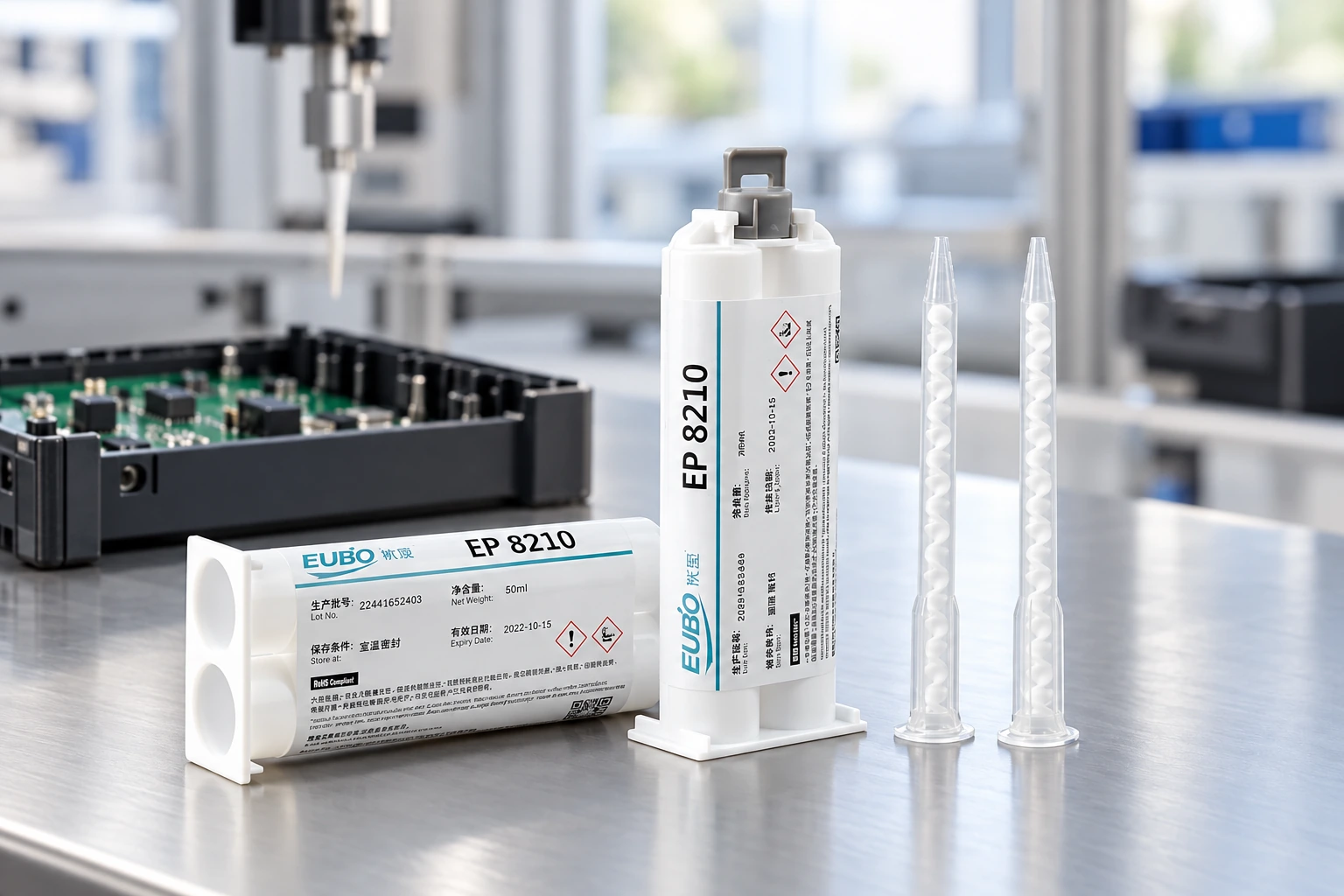
Mix resin and hardener before use. Review candidates such as EP8210 by substrates, mixing, working time and cure.
Enquire about this seriesPRODUCT LINEUP
Verified PUR, SMT, thermal silicone and two-component epoxy adhesive names. These do not define the performance of an entire series; confirm grade-specific process compatibility in current records.
| Grade / product | Material type | Applications to review |
|---|---|---|
| SR-2122Enquire | 2K thermal silicone adhesive | Electronic thermal-management and bonding interfaces |
| EP8210Enquire | Two-component epoxy adhesive | Structural bonding of parts |
| UR 6140Enquire | Moisture-cure PUR hotmelt | Assembly bonding and heated dispensing |
| EP8211Enquire | Heat-curing 1K epoxy SMT adhesive | Electronic-component fixing on PCBs |
Quote the grade or product name in your enquiry. Composition, numerical properties and use conditions are provided in current product-specific TDS and SDS.
APPLICATION & SELECTION
Application examples for evaluation on actual parts. Match operating conditions with the exact-grade documentation.
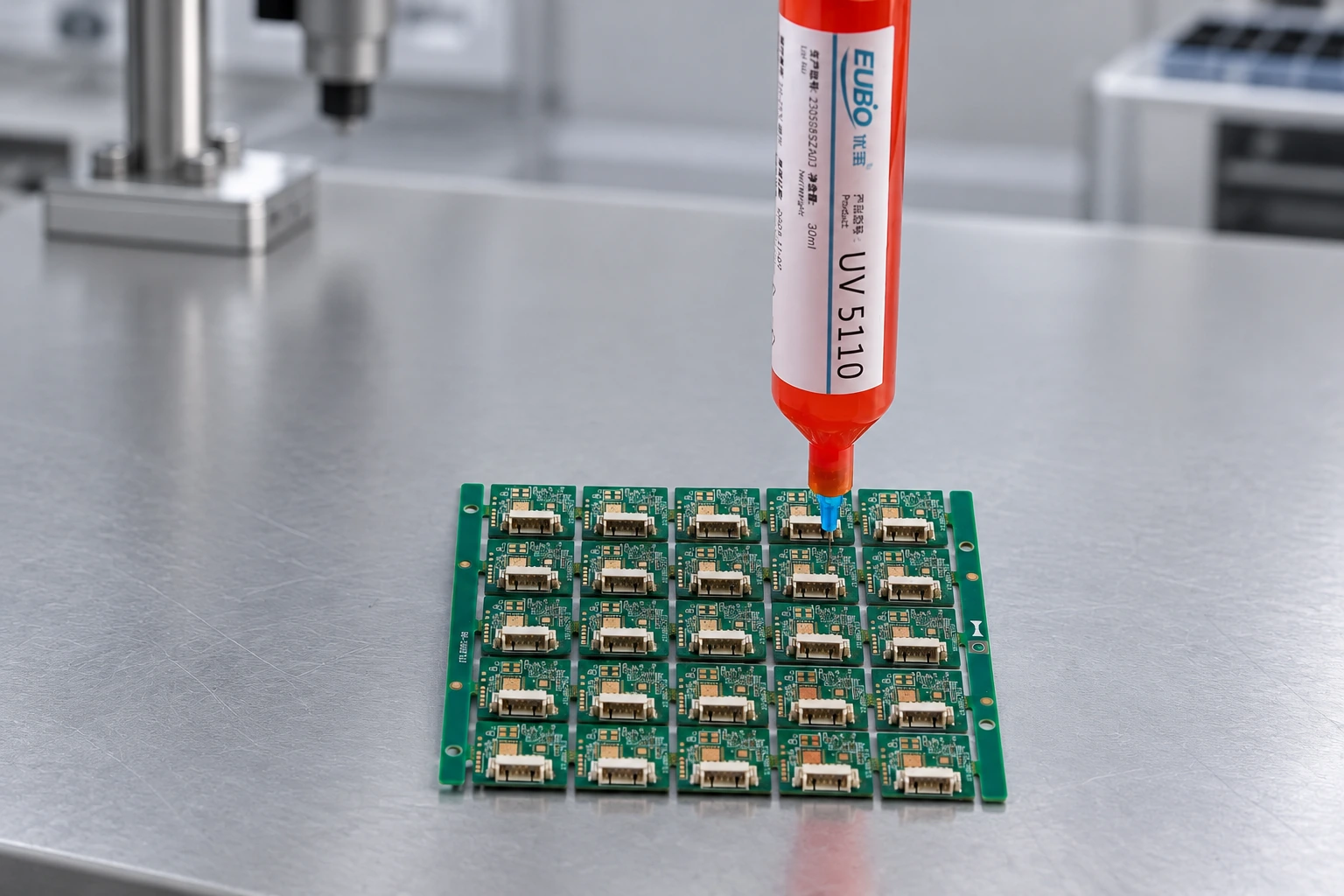
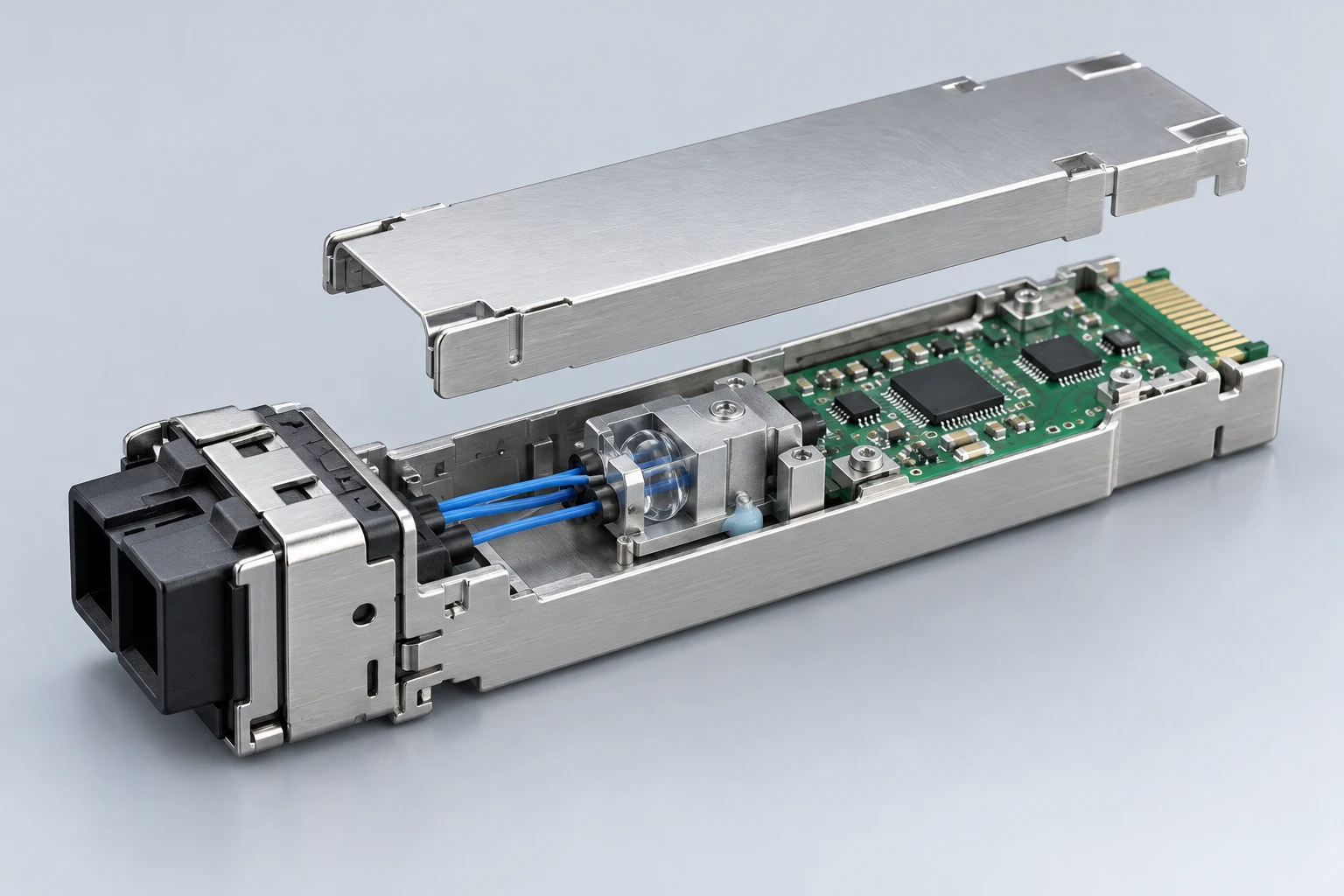
Review component fixing and connector bonding on PCBs around the joint area, dispensing path and cure conditions.
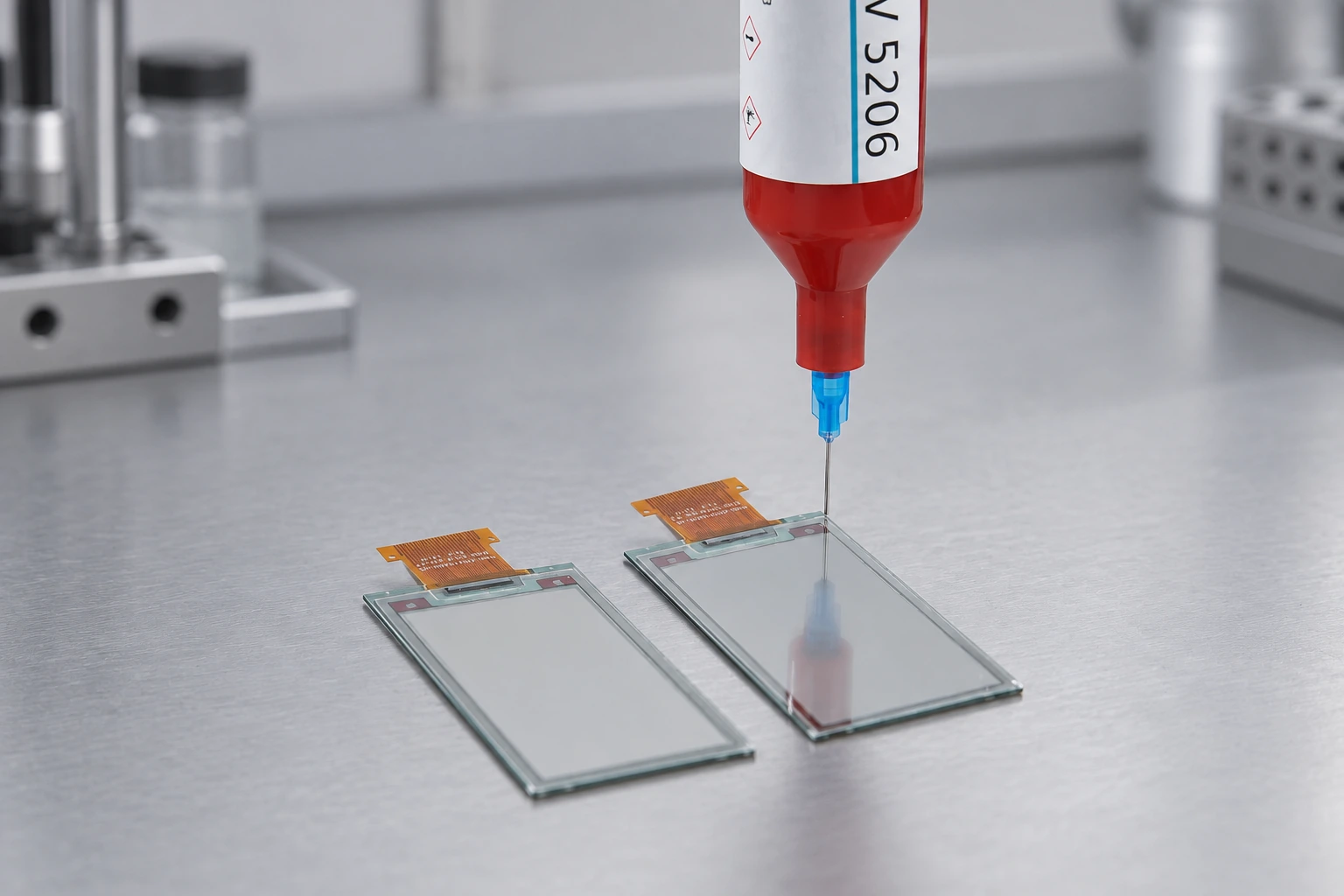
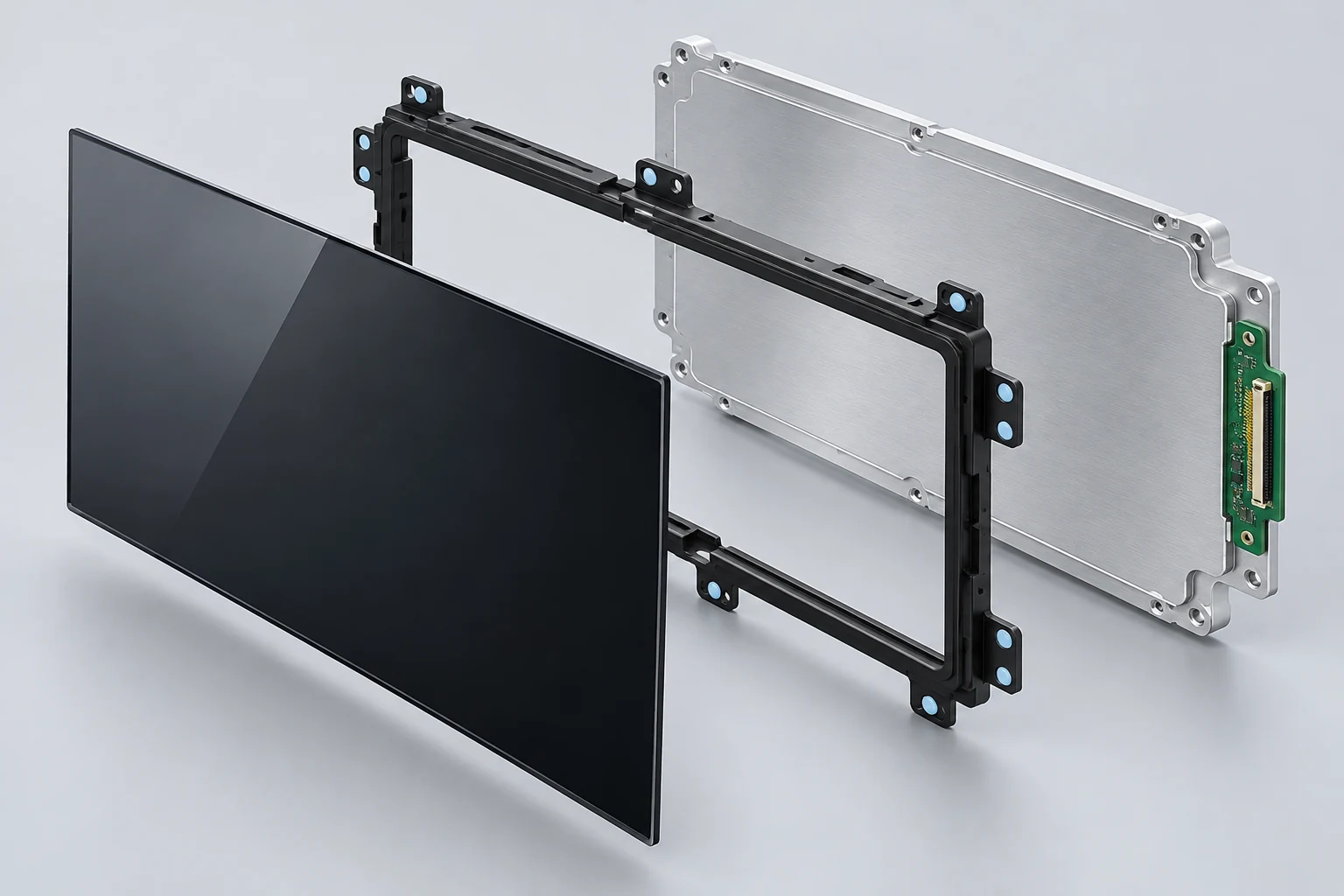
Review display and glass bonding against optical-path, appearance and cure requirements.
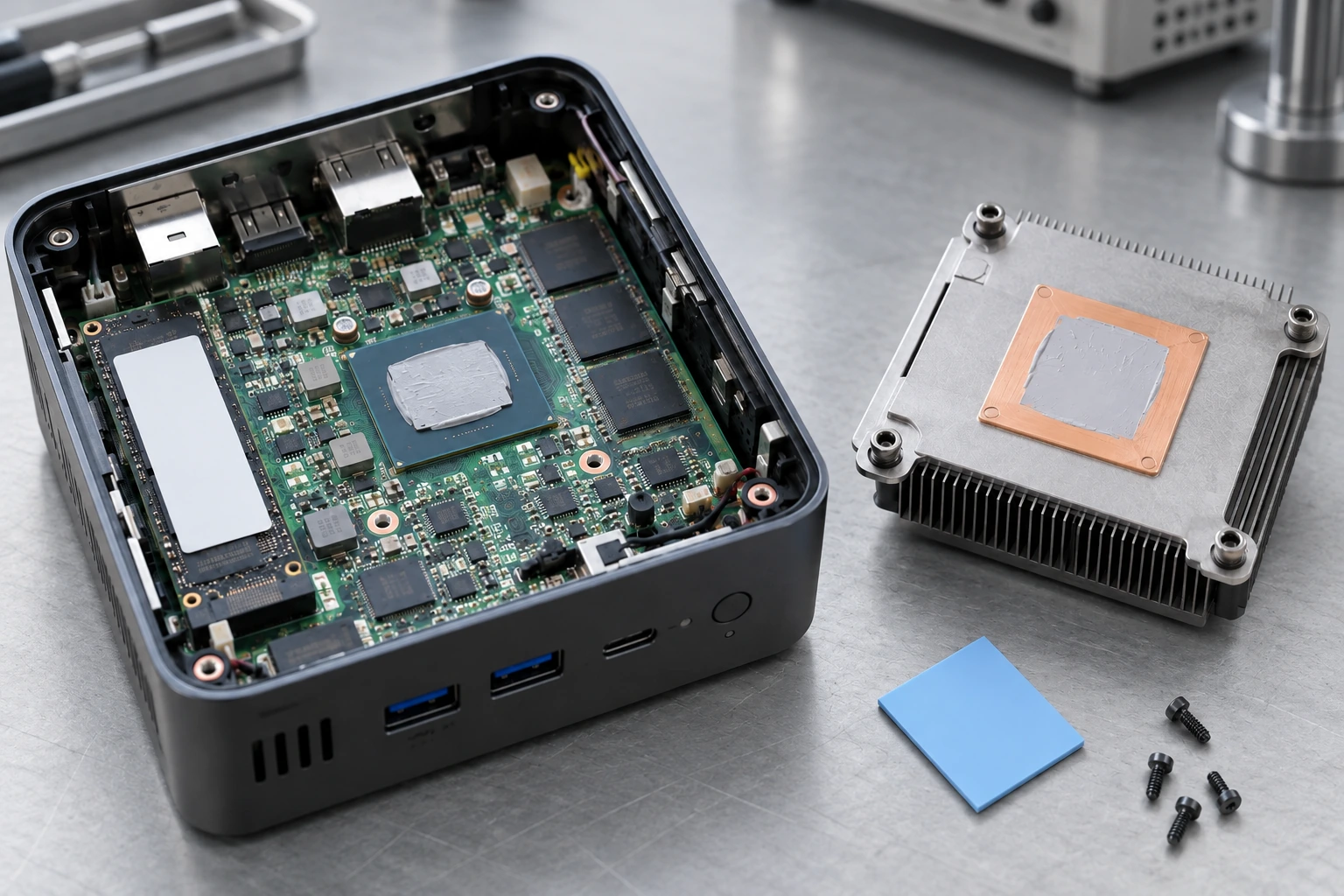
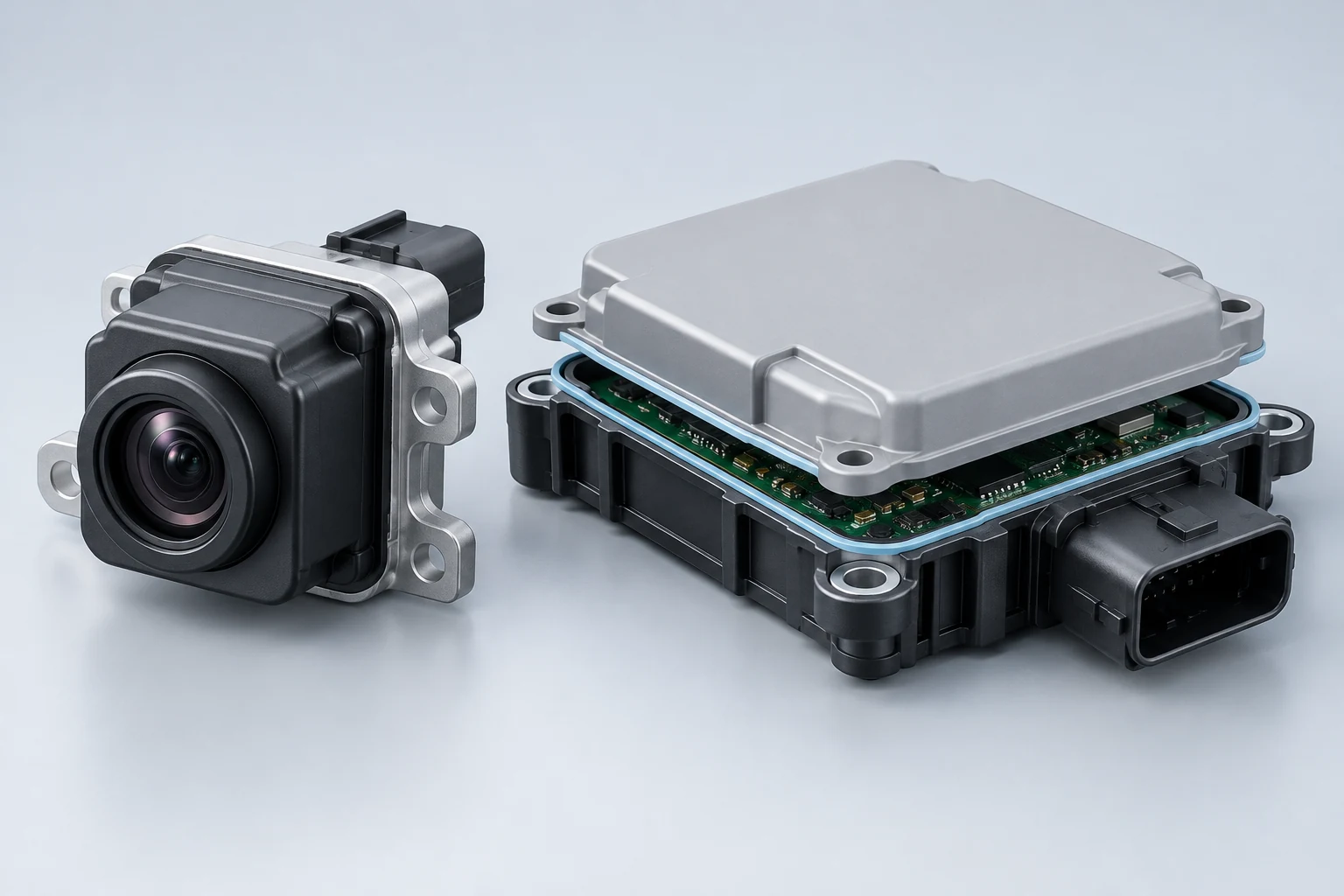
Define the encapsulation area, chemistry and cure process for the electronic module.
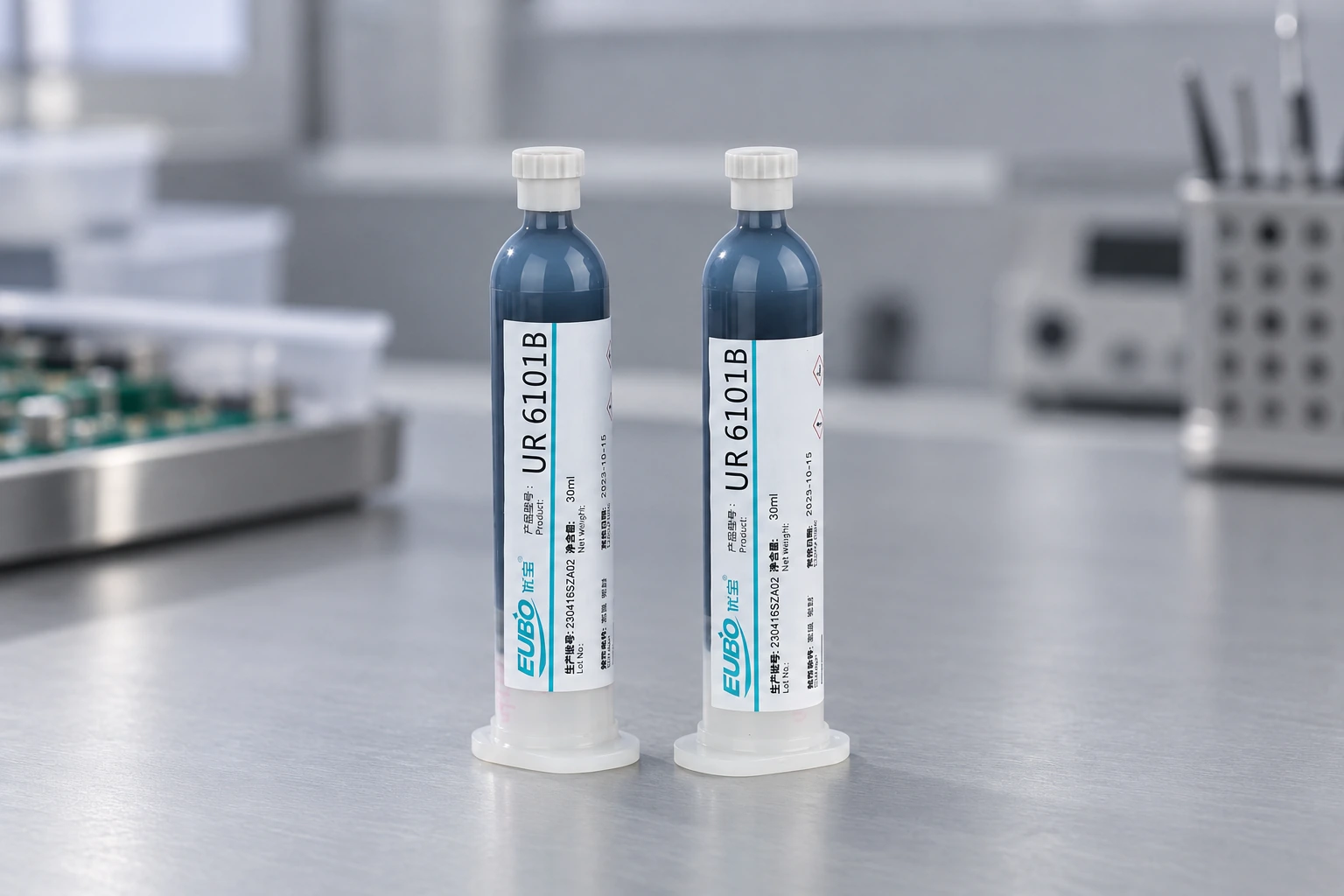
Review substrates, joint geometry, gaps and flexibility for housing and structural bonds.
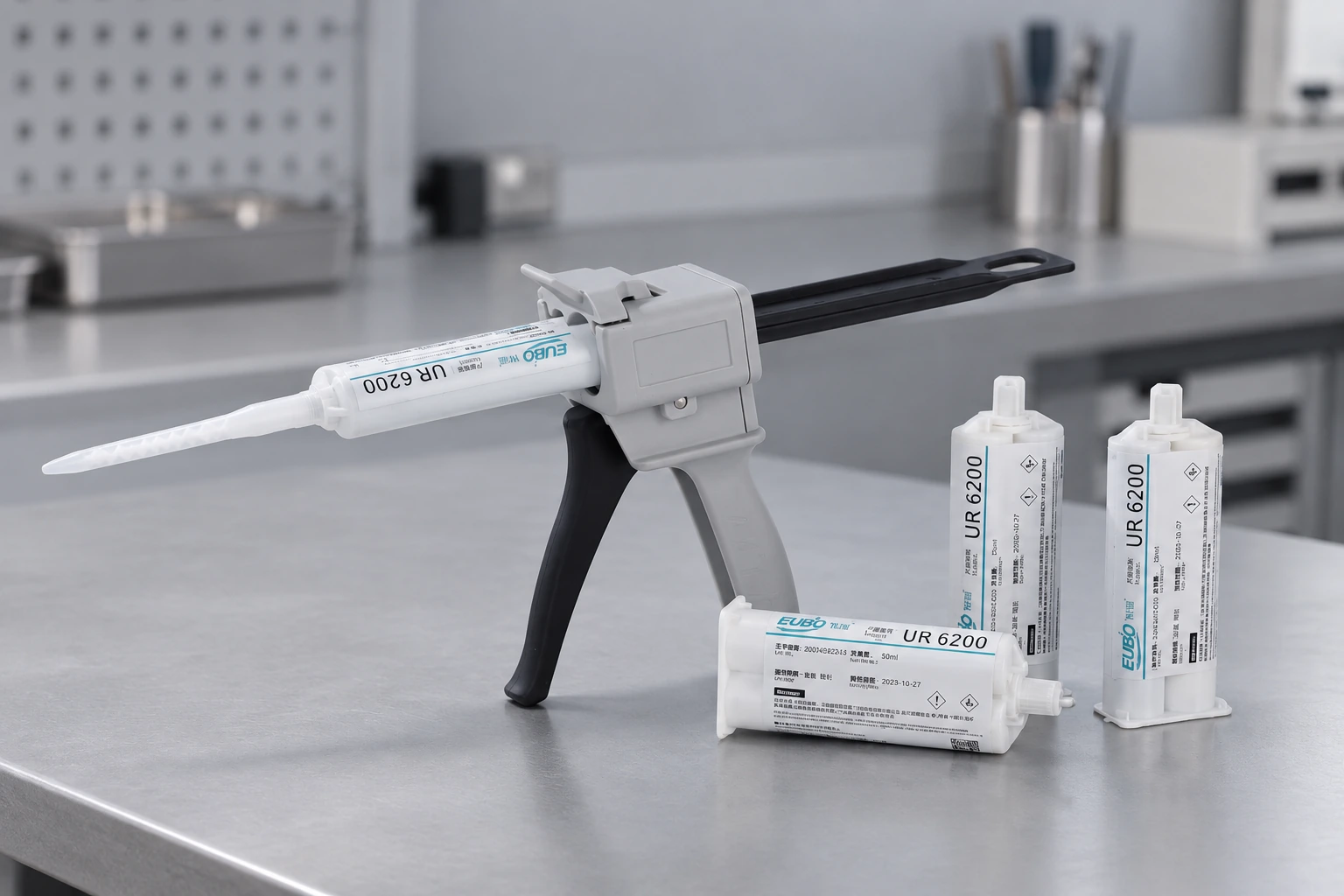
Match the cartridge and mixer to the dispensing process; confirm mixing ratio and working time for the grade.
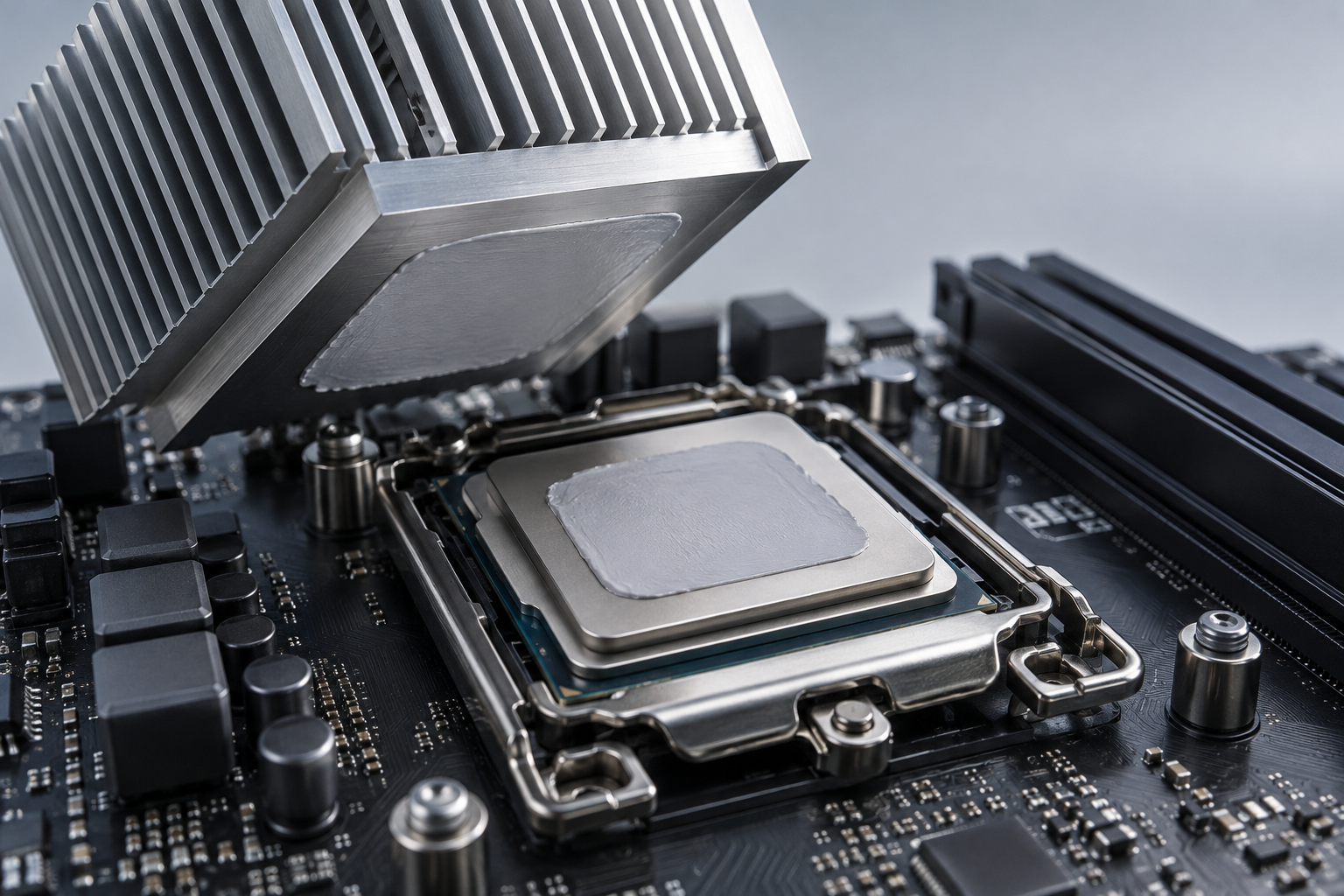
Define thermal, bonding and sealing roles together with required electrical properties.
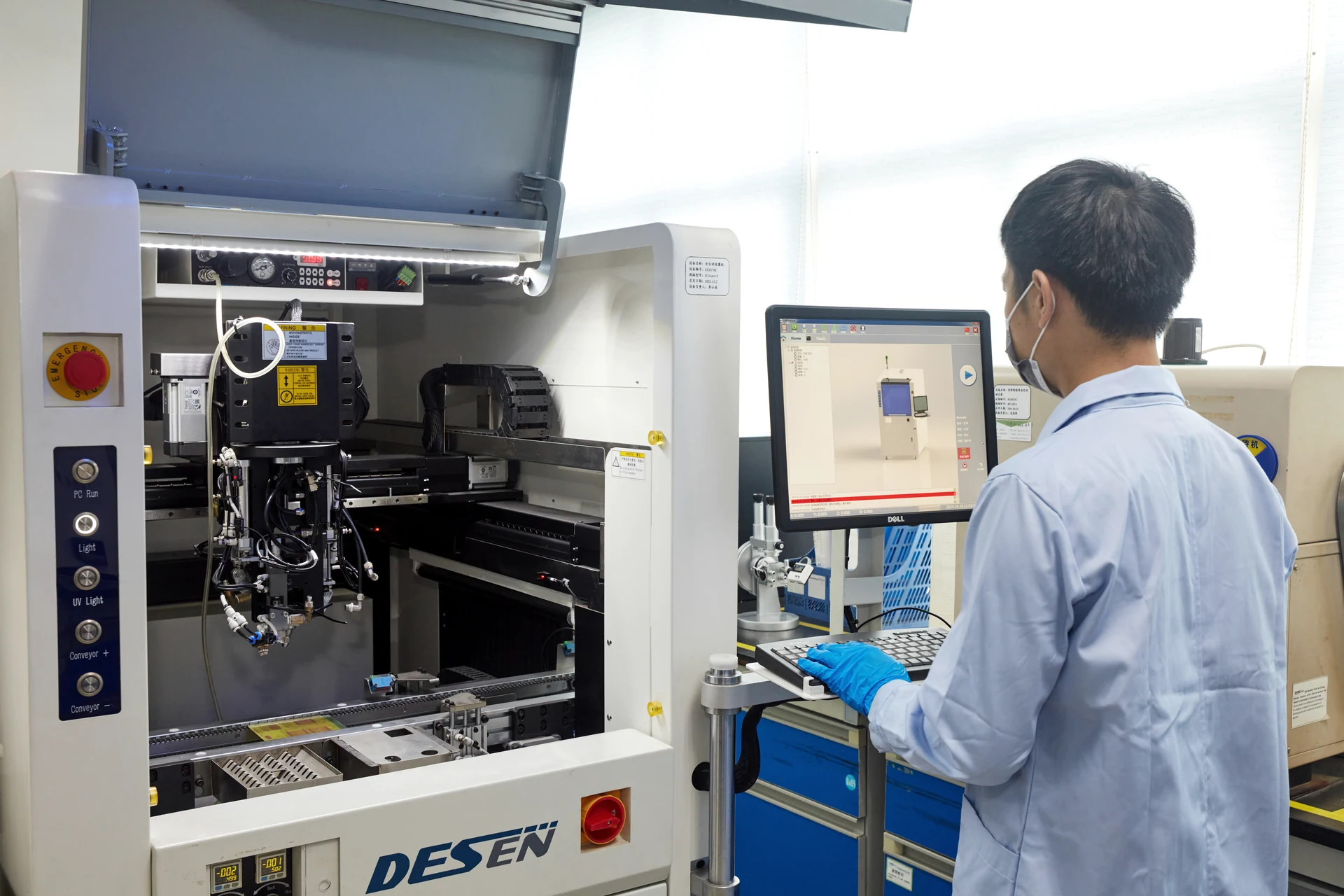
PROCESS ENGINEERING
TECHNICAL REVIEW
For numerical specifications, refer to the current grade-specific TDS.
This depends on the exposure path and grade-specific cure mechanism. Check shadowed areas and depth, then define the required process.
DOCUMENTS & SAMPLES
Request the information you need for product selection and internal evaluation.
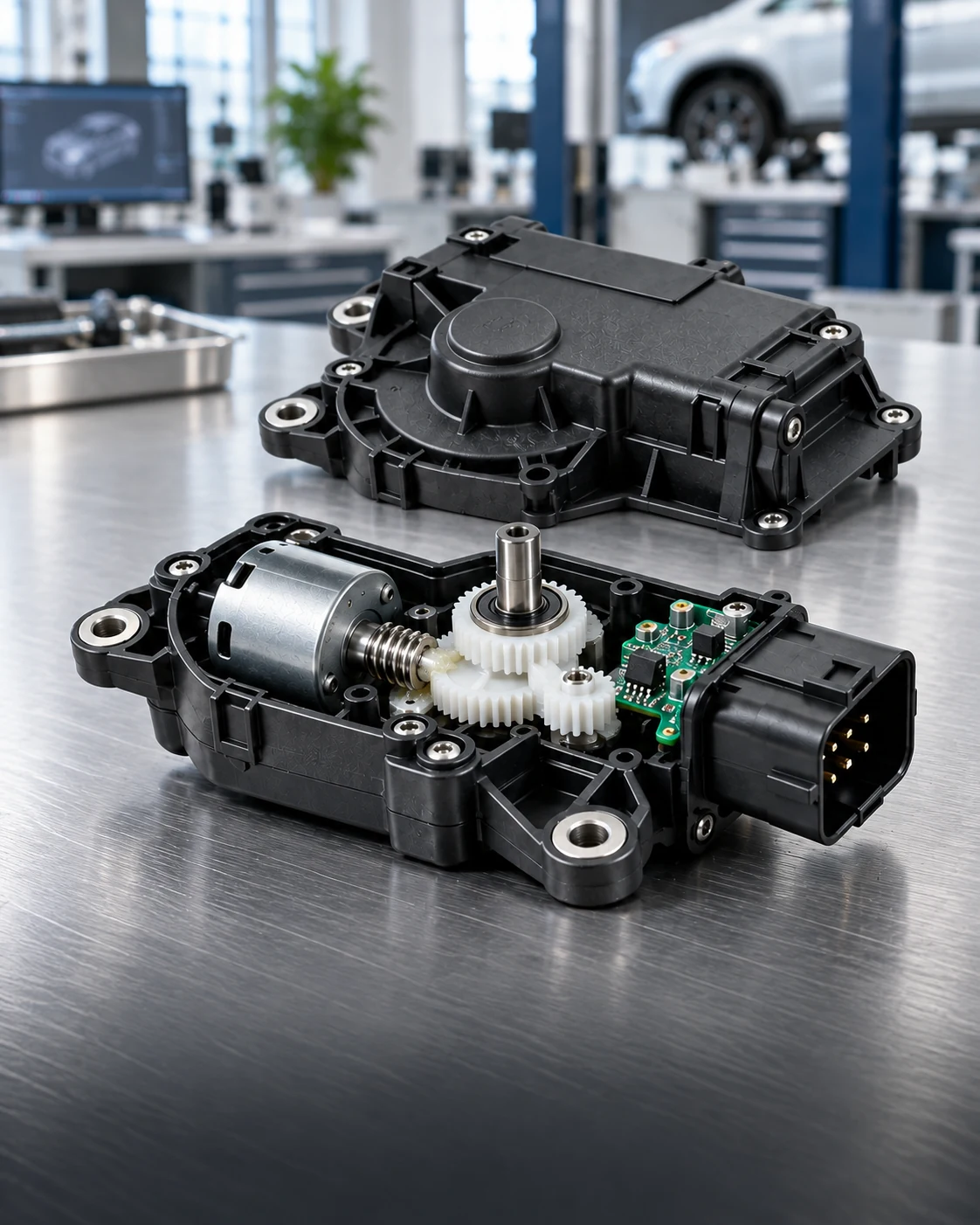
Explore automotive lubrication alongside bonding, sealing and electronic protection by component.
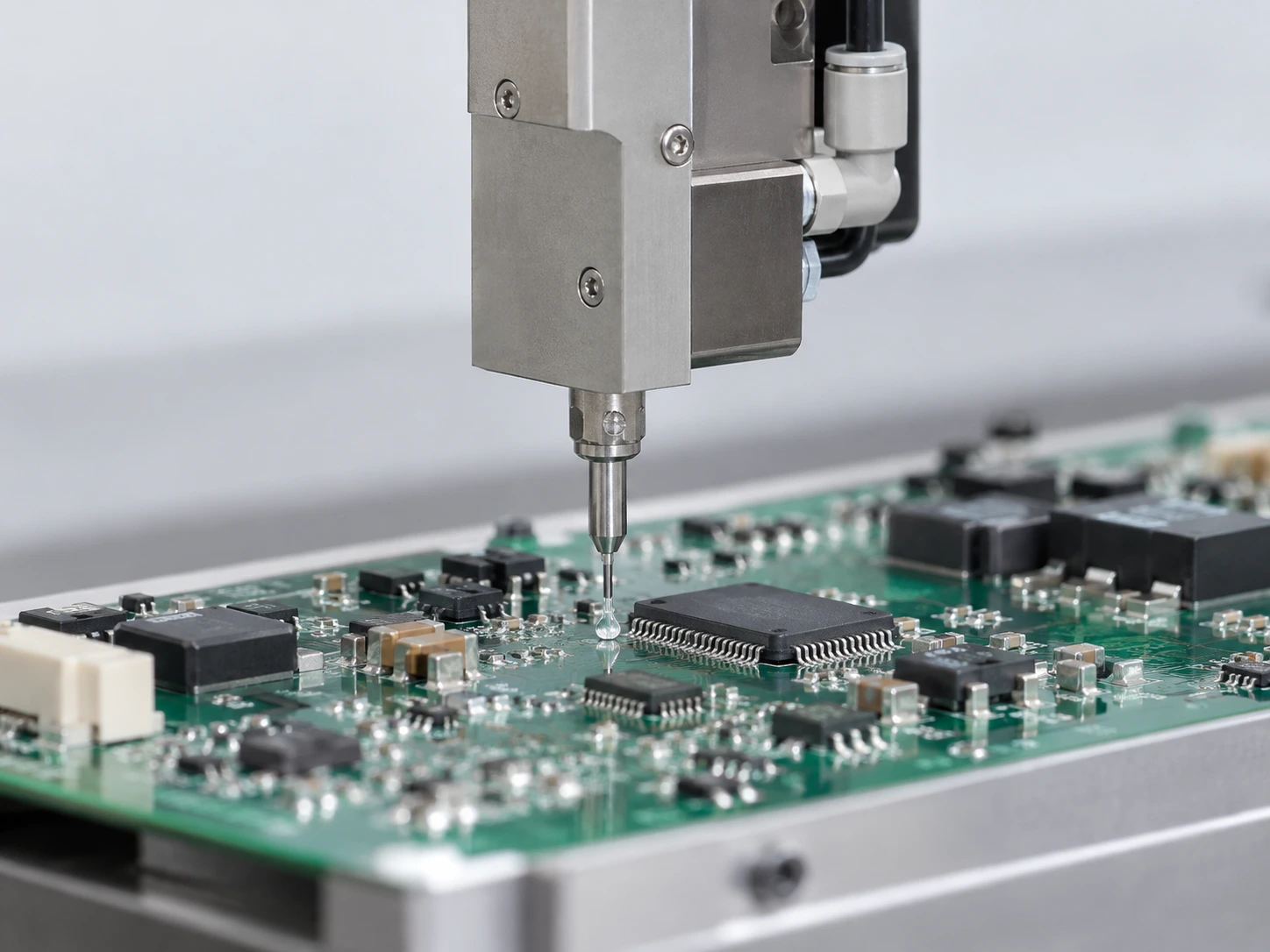
Organize bonding, sealing, thermal transfer and board protection around process and reliability needs.
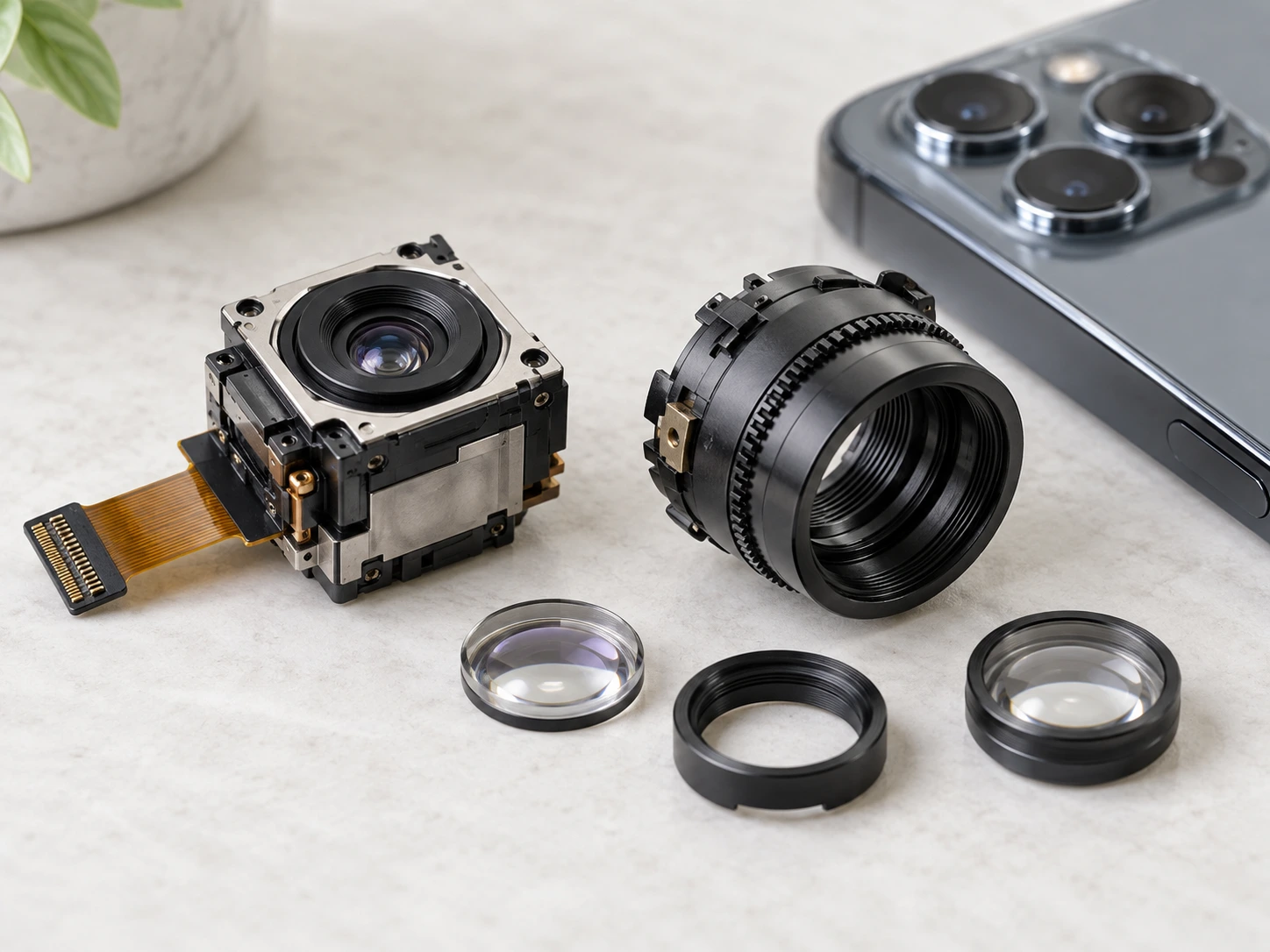
Evaluate materials for micro torque, cleanliness, low migration and controlled feel.